Learning new creative skills can open doors to exciting career opportunities, whether you want to enter the fashion industry, improve your graphic design abilities, explore interior design, or develop your own creative business. Online courses offer a convenient way to build these skills while balancing work, personal responsibilities, and other commitments.
Parsons School of Design, part of The New School in New York City, is widely recognized for its focus on art, design, fashion, and creative education. Its online learning opportunities can help learners explore design concepts, strengthen their creative thinking, and develop practical skills relevant to their interests.
For aspiring designers, working professionals, and creative entrepreneurs, online education can provide a starting point for professional development. By choosing courses that match your goals and applying what you learn through practical projects, you can gradually build your knowledge, confidence, and portfolio.
The Benefits of Online Learning
Online learning provides an alternative to traditional classroom education. It allows students to access learning materials digitally and, depending on the course format, complete assignments or participate in activities remotely.
For people interested in creative fields, this format can make it easier to explore new subjects without immediately committing to a full-time degree program.
Flexibility for Different Lifestyles
One of the main advantages of online learning is the ability to study without regularly traveling to a physical campus. This can be particularly helpful for working professionals, students, entrepreneurs, and people with family responsibilities.
Depending on the course, learners may be able to access recorded lessons, complete assignments outside regular working hours, or participate in scheduled online sessions.
However, not every online course is self-paced. Some programs have fixed schedules, instructor-led sessions, assignment deadlines, or specific enrollment periods. Before registering, review the course format and expected weekly workload.
If you have a busy schedule, choose a course that allows enough time for learning and practice. Creative subjects often require more than watching lessons because you need to experiment, complete projects, and revise your work.
Access to Learning Resources
Online courses can provide access to videos, readings, demonstrations, project instructions, and other educational materials. These resources allow learners to revisit concepts and review techniques when needed.
For example, a fashion design course might include demonstrations of design development or garment construction. A graphic design course could provide lessons on typography, layout, and visual communication.
Some courses also include instructor feedback, peer discussions, or collaborative activities. These features can help learners understand how others approach creative problems and identify areas for improvement.
Before enrolling, check which resources are included and whether you need additional software, equipment, art supplies, or materials. Understanding these requirements helps you prepare for the course and avoid unexpected expenses.
Parsons Online Course Categories
Creative education covers many disciplines, and the most suitable course depends on your interests and career goals. Fashion design, graphic design, and interior design are three areas that can help learners develop different but complementary creative skills.
Course availability, names, delivery formats, and enrollment requirements can change. Check Parsons and The New School’s official websites for current offerings rather than assuming every subject is available online at all times.
Fashion Design
Fashion design courses can help learners understand the process of developing clothing concepts and translating ideas into wearable products.
Topics may include fashion illustration, design research, garment construction, color theory, textiles, silhouette development, and collection planning. Depending on the course, students may also explore how fashion trends influence product design and consumer preferences.
For aspiring designers, learning to develop a concept into a finished garment is particularly valuable. The process often begins with research and mood boards, followed by sketches, fabric selection, technical drawings, sampling, and refinement.
Fashion design education can also help you understand how creative decisions relate to practical considerations such as comfort, fit, materials, and production costs.
If you want to start a clothing brand, look for courses that complement your business goals. A design course may strengthen your creative skills, while additional training in merchandising, product development, or business management may help you understand the commercial side of the industry.
Graphic Design
Graphic design focuses on communicating ideas through visual elements such as typography, color, images, shapes, and layout.
Courses in this field may cover design principles, composition, visual hierarchy, branding, typography, digital graphics, and communication strategies. These skills are useful in advertising, publishing, digital media, marketing, and brand development.
Graphic design can also support other creative careers. For example, a clothing brand owner may use graphic design knowledge to develop a logo, create packaging, design promotional materials, or prepare graphics for printed apparel.
Students can strengthen their skills by completing projects such as posters, brand identity systems, editorial layouts, and digital campaigns.
The goal is not simply to create attractive images. Effective graphic design communicates information clearly and helps audiences understand the intended message.
When choosing a course, consider the software and tools involved, the type of projects you will complete, and whether the curriculum matches your current skill level.
Interior Design
Interior design focuses on creating functional, comfortable, and visually coherent indoor spaces. It combines creative thinking with practical knowledge of how people use and experience their environments.
Relevant topics may include space planning, color theory, lighting, furniture selection, materials, textures, and design presentation.
For example, a learner developing a residential interior concept might begin by studying the client’s needs, measuring the available space, and planning furniture placement. The designer would then consider lighting, colors, materials, circulation, and the overall atmosphere of the room.
Interior design also requires attention to practical constraints. A successful design must account for usability, safety, budget, maintenance, and the characteristics of the space.
Online courses can help learners understand these principles and develop design concepts. However, students seeking professional practice should also investigate the qualifications, experience, and licensing or regulatory requirements applicable to their intended location.
Enriching Your Creative Skills
Taking an online course is only one part of developing creative expertise. Applying the lessons through projects, experimentation, and feedback helps transform theoretical knowledge into practical ability.
Develop a Strong Portfolio
A portfolio is a collection of work that demonstrates your abilities, creative approach, and progress. It can be especially useful when applying for internships, freelance projects, creative positions, or further study.
The projects you include should reflect the field you want to pursue. A fashion design portfolio might feature mood boards, garment sketches, fabric choices, technical drawings, and photographs of completed pieces.
A graphic design portfolio could include logos, posters, brand identity projects, packaging concepts, or digital layouts. An interior design portfolio might showcase floor plans, mood boards, material selections, space concepts, and visual presentations.
Use course assignments as opportunities to create portfolio pieces, but do not include every exercise automatically. Select work that demonstrates your strongest skills and revise projects when feedback reveals opportunities for improvement.
Where appropriate, explain the goal of each project, the design decisions you made, and how you approached the problem. This helps viewers understand your thinking rather than judging the finished image alone.
Always follow the course’s rules about sharing student work, copyrighted materials, and collaborative projects.
Gain Industry Insights
Creative industries continue to evolve as consumer preferences, technologies, materials, and working practices change. Learning about these developments can help you make more informed decisions and identify new opportunities.
In fashion, relevant topics may include sustainable materials, digital product development, changing consumer behavior, and new approaches to manufacturing.
In graphic design, learners may explore developments in digital communication, accessibility, branding, and design software. Interior design students may investigate material innovation, efficient use of space, environmental considerations, and changing workplace or residential needs.
Courses may introduce these subjects through case studies, assignments, and examples from professional practice. You can expand your understanding by following industry publications, studying successful projects, and observing how designers respond to real-world challenges.
Remember that industry trends are not a substitute for foundational knowledge. Strong design principles, critical thinking, research, and problem-solving remain valuable even as tools and technologies change.
Professional Growth and Networking
Online education can support career development by helping learners build relevant skills, demonstrate their abilities, and connect with people who share similar interests.
The extent of these opportunities depends on the specific course and its format.
Support Career Advancement
Additional training can help you strengthen existing skills or prepare for responsibilities in a new field. A professional who already works in marketing, for example, might study graphic design to improve visual communication skills. An aspiring fashion entrepreneur might take design courses to better understand product development.
Before enrolling, identify the skill you want to gain and how you intend to use it. This makes it easier to choose a course with relevant content and practical assignments.
You should also understand the limits of short courses. Completing an online course can demonstrate initiative and learning, but it does not automatically qualify someone for every professional position or replace the experience required for specialized work.
When evaluating a course, review its curriculum, instructor information, expected outcomes, workload, and assessment methods. Check whether a certificate is included and what it represents.
For career advancement, combine formal learning with practical experience. Use your new skills in personal projects, freelance work, internships, or relevant responsibilities at your current job.
Build Professional Connections
Networking can help you learn about creative careers, exchange ideas, and discover opportunities for collaboration.
Depending on the course, you may interact with classmates, instructors, guest speakers, or other creative professionals. Online discussions and collaborative projects can provide opportunities to share feedback and learn different approaches to design problems.
You can also build connections through professional networking platforms, design communities, exhibitions, workshops, and industry events.
When connecting with others, focus on meaningful exchanges. Ask thoughtful questions, share relevant work, and offer constructive feedback when appropriate.
Maintaining a professional online portfolio can make it easier for potential collaborators or employers to understand your interests and abilities.
However, networking opportunities vary by program. Review the course description before assuming that mentorship, live events, or direct access to industry professionals are included.
Develop a Personalized Learning Path
The most effective learning plan reflects your current abilities, interests, budget, and long-term goals. Instead of enrolling in several courses without a clear direction, identify the skills that will help you make meaningful progress.
Choose Courses That Match Your Goals
Begin by defining a specific objective. You might want to learn the fundamentals of fashion design, create a professional graphic design portfolio, explore interior design, or improve the visual identity of your business.
Next, assess your current knowledge. Beginners may benefit from introductory courses that explain basic principles, while experienced learners may prefer advanced subjects or specialized training.
Compare course descriptions, schedules, fees, prerequisites, and project requirements. If you are interested in building a clothing brand, for example, a combination of fashion design, branding, and product development courses may be more useful than studying unrelated subjects at the same time.
Set realistic expectations about how much time you can dedicate to learning. One well-chosen course completed with care may provide more value than several courses that you cannot fully engage with.
Finally, create opportunities to apply what you learn. Practical projects help you identify gaps in your understanding and demonstrate progress.
Commit to Continuous Learning
Creative development is an ongoing process. Even experienced designers continue to study new techniques, explore materials, improve their judgment, and respond to changes in their industries.
After completing a course, review your work and identify what you can improve. You might need more practice with technical drawing, typography, material selection, digital tools, or presenting your ideas.
Continue learning through additional courses, independent projects, reading, experimentation, and feedback from other professionals.
You can also set measurable goals, such as completing a collection of design sketches, creating a brand identity project, or preparing a portfolio with several polished examples.
Revisit your goals periodically to determine whether your learning path still matches your career direction. As your interests develop, you may discover new specializations or decide to combine skills from different creative disciplines.
A commitment to continuous learning helps you remain adaptable and build expertise over time.
How to Find and Evaluate Parsons Online Courses
If you are interested in studying with Parsons, begin with its official educational resources. Parsons is part of The New School, which provides information about its academic programs and other learning opportunities.
Visit The New School’s official website and explore the available course and program listings. Check whether the specific subject you want is offered online, whether it is open to nondegree students, and whether enrollment is currently available.
Before registering, review the following details:
- Course content: Confirm that the topics match your learning goals.
- Delivery format: Determine whether the course is self-paced, instructor-led, or scheduled at specific times.
- Cost: Check tuition or course fees and whether materials, software, or supplies require additional spending.
- Prerequisites: Confirm whether previous experience or specific technical skills are required.
- Instructor support: Find out whether assignments receive feedback and whether instructors are available for questions.
- Certificate or credential: Verify what documentation is provided after completion and whether it has any formal recognition.
- Portfolio opportunities: Check whether the course includes projects that you can use to demonstrate your skills.
Use official sources to confirm current details because offerings, schedules, and fees may change. Do not assume that every course associated with Parsons is available online or that all online programs provide the same certificate or learning experience.
Taking time to compare your options can help you select a course that offers practical value for your goals and budget.
Conclusion
Parsons online learning opportunities can be worth exploring if you want to develop creative skills in fashion, graphic design, interior design, or related fields. Online education offers a way to study design concepts, practice new techniques, and build projects while managing other responsibilities.
The most important step is choosing a course that aligns with your goals. Review the curriculum, schedule, cost, and learning format before enrolling, and make sure the program offers the type of instruction and practical work you need.
Remember that completing a course is only the beginning. Applying your knowledge, building a strong portfolio, seeking constructive feedback, and staying informed about your chosen industry will help you turn learning into meaningful progress.
With a clear learning plan and consistent practice, online education can become a valuable part of your creative and professional development.
Key Takeaways:
- Parsons School of Design is part of The New School and focuses on art, design, fashion, and creative education.
- Online learning can provide flexibility, digital resources, and opportunities to develop practical skills.
- Fashion design, graphic design, and interior design are useful areas to explore based on your interests and goals.
- Portfolio projects help demonstrate your creativity, technical abilities, and problem-solving skills.
- Course content, schedules, costs, prerequisites, and instructor support vary by program.
- Certificates from short courses do not automatically replace professional qualifications or experience.
- Networking can support collaboration and career development, depending on the course format.
- Choose courses based on your goals, current abilities, available time, and budget.
- Verify current online offerings and enrollment information through official Parsons and The New School resources.
- Combine structured learning with practical projects and continuous improvement to develop lasting creative expertise.
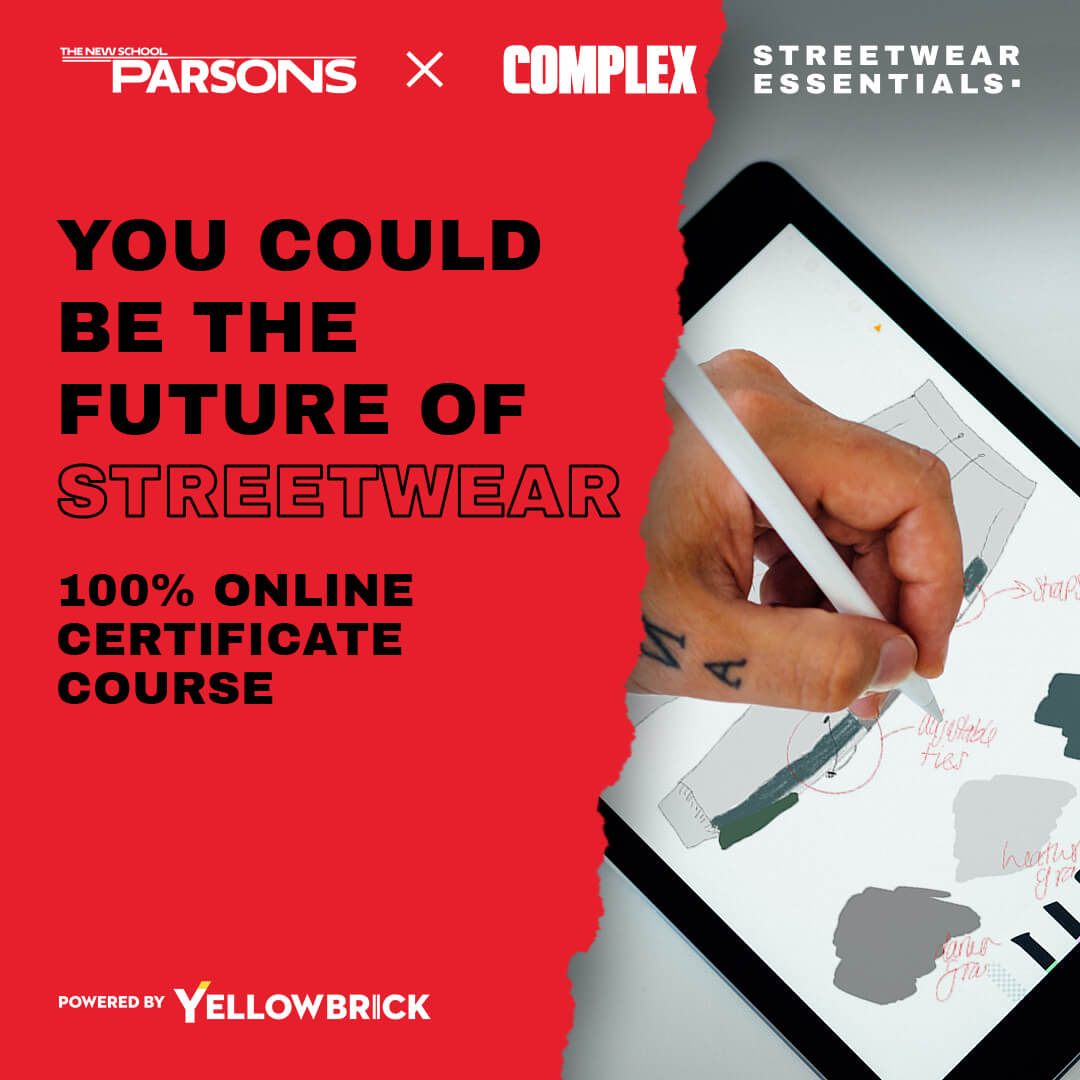
Elevate your fashion design knowledge with Parsons Streetwear Essentials for expert guidance in fashion design and marketing.