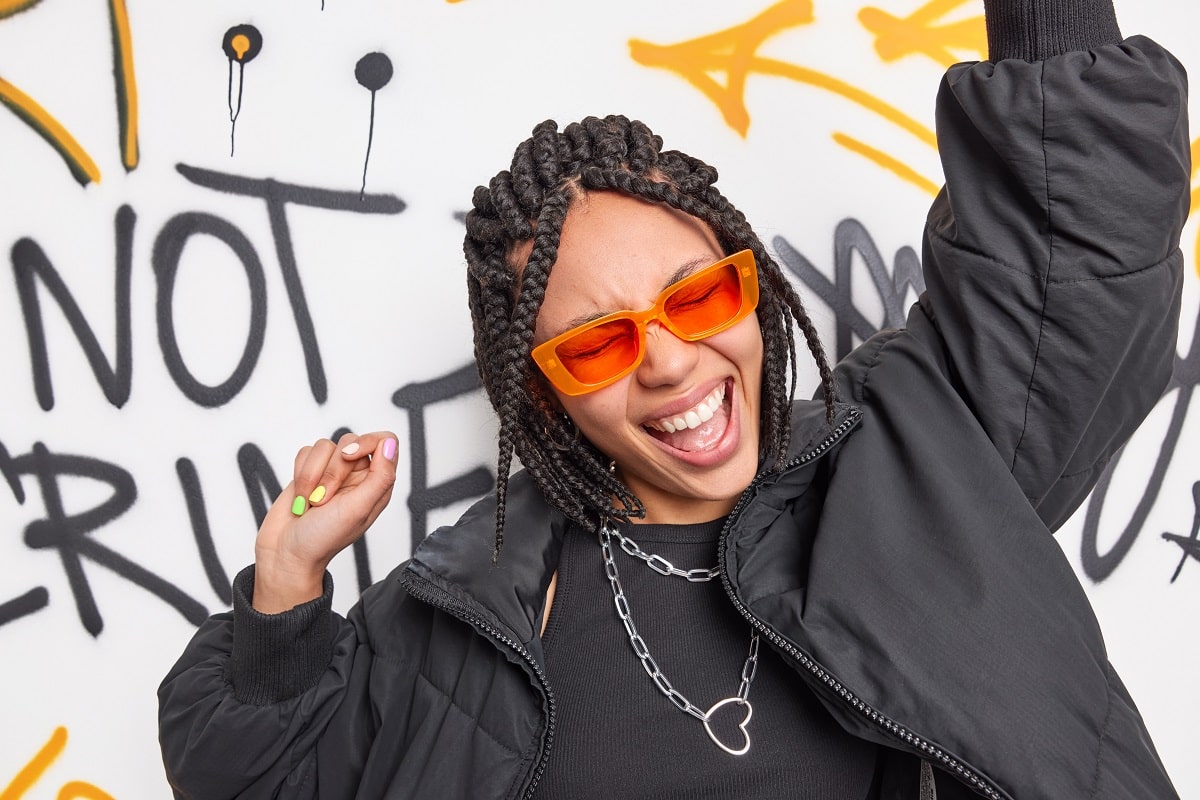
Streetwear has grown from a niche style associated with skateboarding, surfing, and hip-hop into one of the most influential movements in modern fashion. Known for its relaxed silhouettes, graphic T-shirts, hoodies, sneakers, and distinctive branding, streetwear reflects more than clothing preferences. It represents identity, creativity, music, art, and the cultural experiences of the communities that helped shape it.
What began as an expression of youth culture gradually attracted fashion designers, luxury brands, celebrities, and global retailers. Today, streetwear influences everything from everyday outfits and sneaker releases to high-fashion collections and international collaborations.
Understanding the history of streetwear helps explain why it remains relevant. Its development reveals how communities can influence the fashion industry, how clothing becomes a form of self-expression, and how cultural movements can transform the meaning of style.
Origins of Streetwear
Streetwear developed through several overlapping cultural movements, particularly California’s skate and surf scenes and the growing influence of hip-hop. These communities favored practical clothing that reflected their lifestyles, values, and desire to express individuality.
Skate and Surf Culture
California’s surf culture helped establish some of the foundations of modern streetwear during the 1970s. Surfers needed comfortable clothing that suited an active, outdoor lifestyle. Graphic T-shirts, shorts, sneakers, and casual accessories became part of the visual identity surrounding surf communities.
Skateboarding contributed another important influence. As skateboarding grew in popularity, skaters favored durable pants, loose-fitting shirts, canvas shoes, and clothing that allowed freedom of movement. Their style reflected the practical demands of the activity as well as a rebellious attitude toward conventional fashion.
Local surf and skate shops also helped shape the movement. These stores sold specialized equipment alongside clothing that represented their communities. Some developed their own branded merchandise, allowing customers to identify with a particular scene or lifestyle.
Over time, the graphics, logos, and casual silhouettes associated with skate and surf culture spread beyond their original communities. What began as functional clothing became a recognizable fashion aesthetic.
Hip-Hop’s Influence on Streetwear
Hip-hop became a major influence on streetwear during the 1980s. As hip-hop developed through music, dance, graffiti, and community culture, fashion became an important way for artists and fans to communicate identity and creativity.
Tracksuits, sneakers, gold chains, bucket hats, oversized jackets, and graphic clothing became associated with different artists and regional styles. Groups such as Run-D.M.C. helped popularize Adidas sneakers and tracksuits, while LL Cool J became known for looks that included Kangol hats.
These artists demonstrated how clothing could become part of a musical identity. Their styles were visible in music videos, live performances, photographs, and public appearances, allowing fans to connect fashion with the music and culture they admired.
Hip-hop fashion also reflected broader experiences involving community pride, social identity, and resistance to mainstream expectations. Clothing choices were not simply about following trends; they could communicate belonging, confidence, and personal expression.
As hip-hop gained international recognition, its fashion influence expanded. Brands that had once been associated with particular neighborhoods or music scenes reached increasingly diverse audiences.
Streetwear in the 1990s
The 1990s were an important period in streetwear’s development. Skateboarding, hip-hop, sportswear, and youth culture continued to influence everyday fashion, while independent brands gained recognition for their distinctive graphics and community connections.
The Connection Between Streetwear and High Fashion
During the 1990s, the boundaries between street style and designer fashion became increasingly visible. Fashion designers explored casual silhouettes, bold graphics, sportswear influences, and urban-inspired aesthetics, helping bring elements associated with youth culture into more formal fashion settings.
Designers such as Gianni Versace and Jean-Paul Gaultier incorporated references to popular culture, graphic imagery, and unconventional styling into their work. Their collections reflected a broader fashion environment in which traditional ideas about luxury and everyday clothing were being challenged.
However, the relationship between streetwear and high fashion developed over several decades rather than through one single movement. Independent streetwear labels, hip-hop artists, sportswear companies, and designers each contributed in different ways.
This growing exchange eventually made collaborations between streetwear brands and luxury fashion houses more common. It also helped establish the idea that casual clothing, sneakers, and graphic garments could carry significant cultural and commercial value.
Logo Mania and Graphic Designs
Bold logos and recognizable graphics became important features of streetwear during the 1990s. Clothing offered a visible way for people to express their interests, affiliations, and identities.
Brands such as FUBU and Stüssy developed strong visual identities that resonated with their respective audiences. FUBU, founded in 1992, built its identity around clothing created by and for its community, with a strong connection to hip-hop culture. Stüssy had developed earlier from the California surf scene and expanded into a broader youth-oriented style.
Supreme was founded in New York in 1994 and became closely associated with skateboarding and limited-release merchandise. Its recognizable branding and connection to local skate culture helped establish its identity.
Graphic T-shirts, oversized sweatshirts, branded caps, and logo-heavy accessories became ways for wearers to signal their taste and cultural connections.
Logos also became commercially important. As particular brands gained popularity, their visual identities helped create recognition and demand. Streetwear began to demonstrate that a simple garment could become highly desirable when supported by strong design, cultural relevance, and a loyal community.
The Rise of Streetwear Brands
During the 2000s and beyond, streetwear became increasingly international. Brands developed distinct identities, collaborations expanded their audiences, and sneaker culture became closely connected to the movement.
The Growth of Global Streetwear Labels
Streetwear expanded beyond its early American roots as designers and entrepreneurs developed labels influenced by local music, art, skateboarding, and youth culture.
A Bathing Ape, commonly known as BAPE, was founded in Japan in 1993 by Nigo. It became known for distinctive camouflage patterns, graphic designs, and recognizable branding. Its success helped establish Japanese streetwear as an important influence on global fashion.
Palace Skateboards emerged in London in 2009, drawing on skateboarding culture and a distinctive visual identity. Off-White, founded by Virgil Abloh in 2012, helped bring streetwear codes into closer conversation with luxury fashion through quotation marks, industrial-inspired graphics, and unconventional design details.
These brands reached international audiences through retail stores, online platforms, collaborations, and celebrity visibility.
Limited releases became an important part of some streetwear business models. Rather than producing unlimited quantities of every item, brands released selected products in restricted numbers or at scheduled times. This approach could create excitement, encourage customers to follow new releases, and increase demand for particular items.
Not every streetwear label relies on scarcity, but limited drops became an influential strategy within parts of the market.
The Growth of Sneaker Culture
Sneakers have become one of the most recognizable elements of streetwear. Originally designed primarily for sports and physical activity, they developed into important fashion items with cultural, social, and commercial significance.
The relationship between basketball, hip-hop, and sneaker culture helped make particular shoe models especially desirable. Nike’s Air Jordan line, introduced in 1985, became a major example of how athletic footwear could develop a powerful identity beyond the sports arena.
Adidas also became influential through its classic sneaker designs and collaborations with artists, designers, and cultural figures.
Sneaker collectors, often called sneakerheads, follow releases, compare designs, and seek out particular models. Some sneakers become especially desirable because of limited availability, historical significance, unique colorways, or collaborations.
Social media and online resale platforms have expanded this market, making release information and collector communities more accessible. However, demand can also encourage counterfeiting and speculative resale, so buyers need to pay attention to authenticity and pricing.
For many streetwear enthusiasts, sneakers are not simply footwear. They are collectible objects and a way to express personal taste, cultural interests, and knowledge of fashion history.
Streetwear Today
Streetwear continues to evolve as social media, celebrity culture, sustainability concerns, and changing consumer expectations influence the way brands design and market their products.
The Influence of Social Media and Celebrities
Social media platforms such as Instagram and TikTok have changed how people discover streetwear brands and participate in fashion trends.
Creators can share outfit combinations, styling advice, product reviews, and release information with audiences around the world. A small brand can gain visibility through compelling content, while established labels can use social platforms to announce collections and connect directly with customers.
Celebrities, musicians, athletes, and influencers also influence streetwear demand. When a recognizable figure wears a particular garment or sneaker, audiences may become interested in the brand or product.
However, visibility does not automatically guarantee lasting success. A product may become popular temporarily without creating long-term customer loyalty.
Streetwear brands increasingly need to offer more than attention-grabbing marketing. Strong design, reliable quality, clear identity, and meaningful relationships with customers help sustain interest beyond a viral moment.
For emerging designers, social media provides an accessible way to showcase original work, test visual concepts, and build a community without relying entirely on traditional retail channels.
Sustainable Streetwear
Sustainability has become an important consideration for parts of the fashion industry, including streetwear. Concerns about textile waste, overproduction, resource use, and working conditions have encouraged brands and consumers to examine how clothing is made.
Some brands explore organic or recycled fibers, recycled packaging, responsible sourcing, and production methods designed to reduce waste. Others emphasize durable garments, repair services, resale, or secondhand clothing.
Streetwear’s interest in vintage clothing and collectible pieces can also support the reuse of existing garments. Buying secondhand may extend a product’s useful life, although the environmental impact of any purchase depends on several factors.
Limited production can help some brands manage inventory, but scarcity alone does not make a product sustainable. Materials, manufacturing practices, transportation, product durability, and the actual quantity produced all matter.
Consumers can make more informed choices by checking product information, researching brand claims, and considering whether a garment is likely to remain useful over time.
For streetwear businesses, sustainability can become part of a credible brand strategy when environmental and ethical commitments are supported by measurable practices rather than marketing language alone.
Streetwear’s Cultural Influence
Streetwear is more than a collection of clothing styles. It provides a way for people to communicate identity, connect with communities, and participate in cultural conversations.
Streetwear as a Form of Self-Expression
Streetwear allows individuals to express their personalities, interests, and cultural influences through clothing.
A person might wear graphic T-shirts featuring their favorite artists, sneakers associated with basketball culture, or garments inspired by skateboarding and contemporary art. Others may use minimalist outfits, vintage pieces, or unusual silhouettes to communicate a personal aesthetic.
Streetwear also encourages experimentation. Wearers often combine clothing from different brands, mix high-priced items with affordable basics, or customize garments to create an individual look.
This freedom makes streetwear adaptable. Two people can wear similar types of clothing while expressing completely different identities through their choices of colors, graphics, accessories, and styling.
Personal expression is also connected to cultural history. Particular garments may represent music scenes, neighborhoods, artistic movements, or shared experiences.
Although trends and brands influence streetwear, individual interpretation remains central to its appeal.
Diversity and Inclusivity
Streetwear has often provided space for people and communities whose styles were not fully represented by traditional fashion institutions.
Its development has been shaped by Black American culture, hip-hop, skateboarding, surf communities, Japanese street fashion, British youth culture, and many other influences. Each has contributed distinctive ideas, aesthetics, and ways of using clothing to express identity.
The movement’s emphasis on individuality has helped challenge conventional ideas about how people should dress. Oversized silhouettes, gender-neutral styling, unconventional combinations, and graphic designs have expanded the possibilities of everyday fashion.
However, streetwear has not always been equally accessible or inclusive. Product pricing, limited availability, representation, and unequal recognition of cultural contributions can create barriers.
As streetwear continues to grow, brands and consumers can help support a more inclusive industry by recognizing the communities that shaped the movement, giving credit to creative influences, and considering who can participate in fashion culture.
Streetwear in Pop Culture
Streetwear’s relationship with popular culture has helped it spread across music, entertainment, sports, art, and digital media. These connections continue to shape how brands develop their identities and how audiences interpret clothing.
Streetwear and Music
Music has played a central role in streetwear’s history, particularly through hip-hop. Artists use clothing to communicate identity, reflect their backgrounds, and establish a recognizable public image.
During the 1980s and 1990s, hip-hop performers helped popularize tracksuits, sneakers, bucket hats, oversized clothing, and bold accessories. Their influence extended beyond concerts into music videos, album photography, and everyday fashion.
Streetwear’s relationship with music is not limited to hip-hop. Punk, rock, electronic music, and other genres have also influenced clothing through band T-shirts, leather jackets, graphic designs, and distinctive styling.
Musicians often collaborate with clothing and footwear brands to create products that reflect their artistic identities. These partnerships can introduce brands to new audiences and allow fans to express their connection to an artist.
Music merchandise has also become an important part of streetwear culture. Tour shirts and artist-branded garments can function as both souvenirs and everyday clothing, connecting fashion with personal memories and shared experiences.
The relationship works in both directions: music influences streetwear, while fashion helps artists communicate their identities and shape their cultural presence.
Streetwear in Sports and Entertainment
Sports have contributed significantly to streetwear through athletic footwear, team apparel, jerseys, tracksuits, and collaborations with athletes.
Basketball has been particularly influential because sneakers and sports apparel became closely connected to hip-hop and youth culture. Football jerseys, baseball caps, and other athletic items have also appeared in everyday streetwear.
Movies, television, and digital entertainment have expanded these influences. Characters, actors, and public figures can introduce audiences to particular styles, while fashion collaborations connected to entertainment franchises can turn recognizable imagery into clothing.
These connections help streetwear reach people with different interests. Someone may discover a brand through music, sports, gaming, or film before developing a broader interest in streetwear.
As a result, streetwear has become a meeting point for different areas of popular culture, continually absorbing new references and transforming them into wearable styles.
Conclusion
Streetwear’s journey from skate and surf culture to a global fashion movement reflects the power of communities, music, art, and personal expression. Its development has been shaped by hip-hop, independent designers, sneaker culture, international brands, and the growing relationship between casual clothing and luxury fashion.
Today, streetwear remains influential because it is adaptable. It allows people to communicate identity, participate in cultural movements, and experiment with personal style. Social media and global collaborations have expanded its reach, while sustainability and inclusivity continue to influence conversations about its future.
Understanding streetwear’s history also means recognizing the communities and cultural contributions behind its most recognizable styles. Its lasting significance comes not only from the clothes themselves but from the stories, values, and identities they represent.
Key Takeaways:
- Streetwear developed through skateboarding, surf culture, hip-hop, and other youth movements.
- Hip-hop artists helped popularize sneakers, tracksuits, bucket hats, and oversized clothing during the 1980s.
- The 1990s strengthened streetwear’s identity through graphic designs, recognizable logos, and community-based brands.
- Brands such as BAPE, Supreme, Palace, and Off-White helped expand streetwear’s international influence across different periods.
- Sneaker culture became a major part of streetwear through iconic designs, collaborations, and collector communities.
- Social media and celebrity influence have changed how streetwear products gain visibility.
- Sustainability has encouraged greater attention to materials, production practices, durability, and waste.
- Streetwear provides a way to express personal identity and connect with cultural communities.
- Music, sports, entertainment, and art continue to shape streetwear’s development.
- Streetwear’s influence comes from both its visual style and the cultural histories that give it meaning.
Dive deeper into streetwear fashion with Parsons Streetwear Essentials for expert insights and skills.