Fashion merchandising offers an exciting career path for people who enjoy fashion, business, creativity, and understanding consumer behavior. It combines the artistic side of the fashion industry with the commercial decisions that determine which products reach customers, how they are presented, and how successfully they sell.
From selecting clothing collections to analyzing sales performance and planning product launches, fashion merchandisers help fashion businesses connect their products with the right audiences. They work with designers, buyers, suppliers, marketers, and retail teams to turn creative ideas into commercially successful products.
Whether you want to work for a major fashion retailer, an independent clothing brand, an online store, or your own fashion business, understanding fashion merchandising can help you identify the career path that best fits your interests and skills.
Understanding Fashion Merchandising
Fashion merchandising is the process of planning, selecting, presenting, and selling fashion products to meet customer demand and achieve business goals. It involves understanding what customers want, determining which products a business should offer, and ensuring that merchandise is available at the right time, price, and quantity.
What Is Fashion Merchandising?
Fashion merchandising combines fashion knowledge with business planning. It involves analyzing trends, studying consumer preferences, selecting product assortments, managing inventory, coordinating promotions, and evaluating sales results.
For example, a clothing retailer preparing for the summer season must decide which styles to offer, what colors and fabrics to include, how much inventory to purchase, and how to price the products. Merchandising helps the retailer make these decisions based on customer needs, market conditions, and financial goals.
Fashion merchandising can take place in physical stores, online shops, department stores, wholesale businesses, and fashion brands. Although the responsibilities vary by company, the central goal remains the same: provide customers with suitable products while supporting the business’s profitability.
The Role of a Fashion Merchandiser
Fashion merchandisers connect product design with the commercial side of the industry. They help ensure that creative ideas become products customers want to purchase.
Their work may begin with researching trends and identifying opportunities in the market. They may then collaborate with buyers and designers to determine which products should be developed or purchased. After products are selected, merchandisers help plan their pricing, availability, presentation, and promotional activities.
For example, a designer might create a collection of oversized shirts, but the merchandising team must determine which colors, sizes, and quantities are most appropriate for the target market. The team may also evaluate whether the products should be sold online, in physical stores, or through both channels.
Fashion merchandisers must balance creativity with commercial considerations. An attractive product is not necessarily a successful product if its price, quality, timing, or availability does not meet customer expectations.
Key Responsibilities in Fashion Merchandising
Fashion merchandising includes several responsibilities that work together to support product performance and business growth. The specific duties depend on the company, product category, and level of responsibility.
Trend Analysis and Consumer Research
Fashion merchandisers monitor trends to understand how customer preferences and market conditions are changing. They study runway collections, fashion publications, social media, competitor products, customer feedback, and sales reports.
However, trend analysis involves more than identifying popular styles. Merchandisers must determine whether a trend is suitable for their target customers and whether it has enough commercial potential to justify investment.
For example, a trend may become popular on social media but fail to generate consistent sales. A merchandiser must consider factors such as price sensitivity, product quality, seasonal relevance, and customer purchasing habits before recommending it.
Research also helps businesses identify gaps in the market. If customers frequently request affordable workwear or more inclusive sizing, the merchandising team can use that information to suggest new product opportunities.
Buying and Merchandise Planning
Buying and planning involve determining which products a business should purchase or develop, how much inventory it needs, and how merchandise should be distributed.
Fashion merchandisers may work closely with buyers to plan product assortments that reflect the brand’s identity and customer demand. They help determine the balance of product categories, styles, colors, sizes, and price points.
Planning also involves budgeting. Businesses must allocate funds carefully to avoid purchasing too much inventory or missing opportunities to meet customer demand.
For example, a retailer selling casual clothing may allocate more of its budget to basic T-shirts and jeans if historical sales show consistent demand. It may reserve a smaller amount for experimental designs that could attract new customers.
Effective planning helps businesses maintain a suitable product selection, reduce excess inventory, and improve profitability.
Inventory and Pricing Management
Fashion merchandisers monitor stock levels to ensure that products are available when customers want them. They review sales performance, inventory reports, and delivery schedules to identify potential shortages or excess stock.
If a popular product begins selling quickly, the merchandising team may recommend replenishment when the supplier and budget allow. If a product performs poorly, the team may investigate the cause and consider adjustments to future orders, product presentation, or pricing.
Pricing is another important responsibility. Merchandisers consider product costs, competitor prices, customer expectations, and profit margins when helping determine retail prices.
They may also coordinate markdowns and promotional activities to clear slow-moving inventory. These decisions require careful analysis because discounts can increase sales volume while reducing the profit earned per item.
Essential Skills for Success
Fashion merchandising requires a combination of analytical, creative, organizational, and interpersonal skills. Developing these abilities can help you perform effectively and prepare for more advanced positions.
Analytical and Problem-Solving Skills
Analytical skills help fashion merchandisers understand what is happening in the market and make informed decisions.
They must interpret sales reports, compare product performance, monitor inventory, and evaluate whether merchandise is meeting business objectives. They may also use historical sales data to estimate future demand and plan purchasing budgets.
Important measures include revenue, gross margin, sell-through rate, inventory turnover, and markdown performance.
For example, if a particular style generates high revenue but requires frequent discounts, a merchandiser may investigate whether the original pricing, purchasing quantity, or product selection needs adjustment.
Problem-solving skills are equally important. Merchandisers may need to respond to delayed deliveries, unexpected demand, supplier issues, or changes in customer preferences.
Learning spreadsheet software, basic financial calculations, and retail analytics can help you develop these skills.
Communication and Collaboration
Fashion merchandising involves working with people across different departments and organizations. Merchandisers communicate with designers, buyers, suppliers, marketing teams, sales staff, and business managers.
Clear communication helps ensure that everyone understands product requirements, delivery schedules, pricing decisions, and promotional plans.
For example, if a supplier reports a production delay, the merchandiser may need to inform the buying and marketing teams so they can adjust product launches or promotional schedules.
Negotiation is also valuable when discussing prices, order quantities, delivery arrangements, and other supplier terms.
Strong communication involves listening, presenting information clearly, documenting decisions, and resolving disagreements professionally. These abilities help teams coordinate their work and reduce costly misunderstandings.
Creativity and Commercial Awareness
Although fashion merchandising involves numbers and planning, creativity remains an important part of the role.
Merchandisers need to recognize appealing product combinations, understand visual trends, and help create collections that feel cohesive. They may contribute ideas about colors, styles, product groupings, and seasonal themes.
Commercial awareness ensures that creative decisions support business objectives. A collection must appeal to customers while remaining appropriate for the brand’s price range, production capabilities, and financial targets.
For example, a merchandiser might recognize an opportunity to combine versatile basics with a few trend-focused pieces. This approach can give customers variety while helping the business manage inventory risk.
The ability to connect creative ideas with customer demand is one of the most valuable qualities in fashion merchandising.
Career Paths in Fashion Merchandising
Fashion merchandising offers several career options. Some focus on selecting products, while others emphasize inventory planning, product presentation, or commercial strategy.
Retail Merchandiser
A retail merchandiser helps determine how products are selected, stocked, priced, and presented in stores or online.
Depending on the organization, the role may involve analyzing sales, monitoring stock availability, planning product displays, coordinating promotions, and ensuring that merchandise reaches the appropriate locations.
In physical retail, a merchandiser may work with store teams to improve product placement and presentation. In e-commerce, the role may involve organizing online product categories, reviewing product performance, and coordinating promotional placements.
Retail merchandisers need strong organizational skills, attention to detail, and an understanding of customer behavior.
This role can be a useful starting point for people who want to learn how retail businesses operate and how product decisions affect sales.
Fashion Buyer
A fashion buyer selects products for a retailer or brand. Buyers evaluate potential merchandise, research trends, negotiate with suppliers, and determine which products should be included in upcoming collections.
Their decisions influence the styles, colors, sizes, and price ranges customers can purchase.
Fashion buyers must understand both fashion and finance. They need to recognize promising products while evaluating costs, expected demand, supplier reliability, and potential profit.
For example, a buyer for a streetwear retailer may select graphic T-shirts, hoodies, denim, and accessories that match the brand’s identity and appeal to its customers.
Buying and merchandising often overlap, especially in smaller businesses. However, buyers generally focus more on selecting and purchasing merchandise, while merchandisers may concentrate more broadly on assortment planning, inventory, and product performance.
Visual Merchandiser
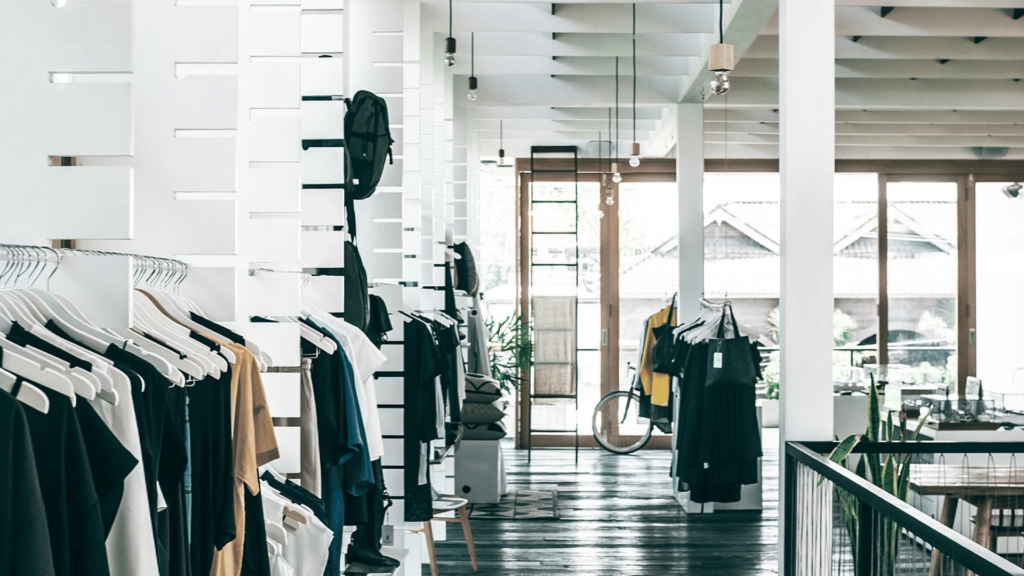
A visual merchandiser focuses on how products are presented to customers. The goal is to create attractive displays that communicate the brand’s identity and encourage purchasing.
Responsibilities may include designing store windows, arranging mannequins, coordinating colors, organizing product displays, and developing visual concepts for seasonal campaigns.
In online retail, related responsibilities may involve coordinating product imagery, promotional banners, and visual layouts that help customers navigate a website.
Visual merchandisers combine creativity with an understanding of customer behavior. Their work can influence how customers notice products, understand collections, and experience a retail environment.
This career may be especially suitable for people who enjoy design, styling, spatial planning, and visual storytelling.
Opportunities for Growth and Advancement
With experience, fashion merchandising professionals can move into leadership, strategic planning, or specialized product roles. Advancement often depends on performance, industry knowledge, communication skills, and the ability to manage more complex responsibilities.
Merchandising Manager
A merchandising manager oversees product planning and merchandising activities for a brand, retailer, or product category.
The role may involve setting merchandising goals, managing budgets, reviewing sales performance, supervising team members, and coordinating with buying, marketing, and supply chain departments.
Managers must understand the relationship between product selection, inventory, pricing, and profitability. They also need to make strategic decisions when market conditions change or sales results fall below expectations.
For example, a merchandising manager may review a seasonal collection’s performance and decide how to adjust the next collection’s product mix, purchasing budget, or pricing strategy.
This position generally requires substantial practical experience and a strong understanding of retail operations.
Product Development Specialist
A product development specialist helps transform product ideas into finished merchandise. In fashion, this may involve coordinating with designers, manufacturers, suppliers, and quality control teams.
Responsibilities can include reviewing product specifications, sourcing materials, evaluating samples, monitoring production costs, and ensuring that products meet the brand’s quality requirements.
For example, a specialist developing a new hoodie may coordinate fabric selection, fit, stitching, printing, labeling, and packaging while ensuring that the final product meets the intended price and design standards.
This career combines creative development with technical and commercial considerations.
Product development specialists benefit from understanding garment construction, textiles, manufacturing processes, costing, and production schedules.
Other Career Opportunities
Fashion merchandising knowledge can also support careers in merchandise planning, allocation, wholesale account management, e-commerce merchandising, demand planning, and retail buying operations.
Merchandise planners focus on budgets, sales forecasts, inventory, and financial performance. Allocation specialists determine how products should be distributed across stores or sales channels. E-commerce merchandisers focus on online product selection, organization, and performance.
Some professionals eventually move into senior buying positions, merchandising leadership, brand management, or business ownership.
The best path depends on your strengths and interests. If you enjoy analyzing numbers, planning and allocation may suit you. If you prefer selecting products and negotiating with suppliers, buying may be a better fit. If you enjoy visual storytelling, visual merchandising may offer a more suitable direction.
Education and Experience for a Fashion Merchandising Career
There is no single route into fashion merchandising. Some employers prefer candidates with relevant degrees, while others place significant value on practical experience and transferable skills.
Relevant Degrees and Training
Consider studying fashion merchandising, fashion management, business administration, marketing, retail management, or supply chain management.
These programs can provide useful knowledge in consumer behavior, product planning, retail operations, financial management, and market research.
Courses in textiles, garment construction, fashion history, and visual merchandising can also be helpful, depending on the career path you choose.
If a degree is not accessible, short courses, online programs, workshops, and independent study can help you build relevant knowledge. Familiarity with spreadsheets, retail analytics, and e-commerce platforms can strengthen your qualifications.
Review job descriptions from the companies you hope to join to identify the qualifications and technical skills they commonly request.
Building Practical Experience and a Portfolio
Practical experience helps you understand how merchandising decisions work in real business settings.
Look for internships, retail assistant positions, merchandising assistant roles, or opportunities to support a small clothing business. Even customer service experience can help you learn about product preferences, pricing concerns, and purchasing behavior.
You can also build a portfolio using independent projects. For example, create a hypothetical seasonal clothing collection, identify a target market, research competitors, prepare a product assortment, and develop a basic buying budget.
Include a sales analysis exercise or an example of how you would respond to slow-moving inventory. These projects can demonstrate that you understand both the creative and commercial sides of merchandising.
Clearly identify hypothetical projects as sample work rather than presenting them as actual business results.
A well-organized portfolio can help employers evaluate your thinking, research abilities, and attention to detail, particularly when you have limited professional experience.
Industry Insights and Emerging Trends
Fashion merchandising continues to change as consumer expectations, production practices, and technology evolve. Understanding these developments can help professionals make more informed decisions and identify new opportunities.
Sustainability and Ethical Sourcing
Sustainability has become an important consideration for many fashion businesses and consumers. Merchandisers can contribute by evaluating product durability, material choices, supplier practices, and inventory planning.
For example, selecting versatile products with longer useful lives may support a brand’s durability goals. Better demand forecasting can also help reduce unnecessary overproduction and excess stock.
Ethical sourcing involves considering how products are made, including working conditions, supplier practices, and the transparency of the supply chain.
However, sustainability claims should be supported by credible evidence. A product should not be described as environmentally friendly simply because it uses recycled packaging or one alternative material.
Fashion merchandisers can help businesses make more responsible choices by asking suppliers for reliable information, comparing product options, and ensuring that environmental or ethical claims are accurate.
Digital Transformation and E-Commerce
Digital tools have changed how fashion businesses select, present, and sell products. Online retail platforms, inventory systems, customer analytics, and digital product information help merchandisers make decisions more efficiently.
E-commerce merchandisers may analyze website traffic, conversion rates, product searches, online sales, and customer behavior to understand which products perform well.
These insights can guide product placement, promotional campaigns, assortment decisions, and inventory planning.
Digital tools can also support collaboration between buyers, suppliers, and product development teams. However, technology works best when its results are interpreted carefully and combined with practical business knowledge.
As online shopping continues to evolve, fashion merchandising professionals can benefit from learning about e-commerce operations, digital marketing, data analysis, and online customer experience.
Conclusion
Fashion merchandising is a versatile career that combines fashion knowledge, business strategy, consumer research, and product planning. It offers opportunities for people who enjoy understanding trends, selecting merchandise, analyzing performance, and helping fashion businesses connect with their customers.
To begin, develop your knowledge of fashion and retail operations, strengthen your analytical and communication skills, and seek practical experience through internships or entry-level positions. Explore different roles to discover whether buying, retail merchandising, visual merchandising, planning, or product development best matches your interests.
As you gain experience, continue learning about sustainability, e-commerce, and data-driven decision-making. These skills can help you adapt to changes in the industry and prepare for more advanced responsibilities.
With the right combination of knowledge, experience, and commercial judgment, fashion merchandising can provide a rewarding path toward long-term growth in the fashion industry.
Key Takeaways:
- Fashion merchandising connects product selection, planning, presentation, and sales.
- Trend analysis and consumer research help businesses choose products that match customer demand.
- Buying, inventory management, pricing, and sales analysis are important merchandising responsibilities.
- Analytical thinking, communication, creativity, and organization support career success.
- Career paths include retail merchandiser, fashion buyer, visual merchandiser, merchandise planner, and product development specialist.
- Experience and further training can lead to management and specialized roles.
- Sustainability and ethical sourcing influence product and supplier decisions.
- E-commerce and data analytics are increasingly valuable in modern fashion merchandising.
- Practical projects and a well-organized portfolio can help demonstrate your skills to potential employers.
Elevate your fashion merchandising knowledge with Parsons Streetwear Essentials for advanced training in the field.