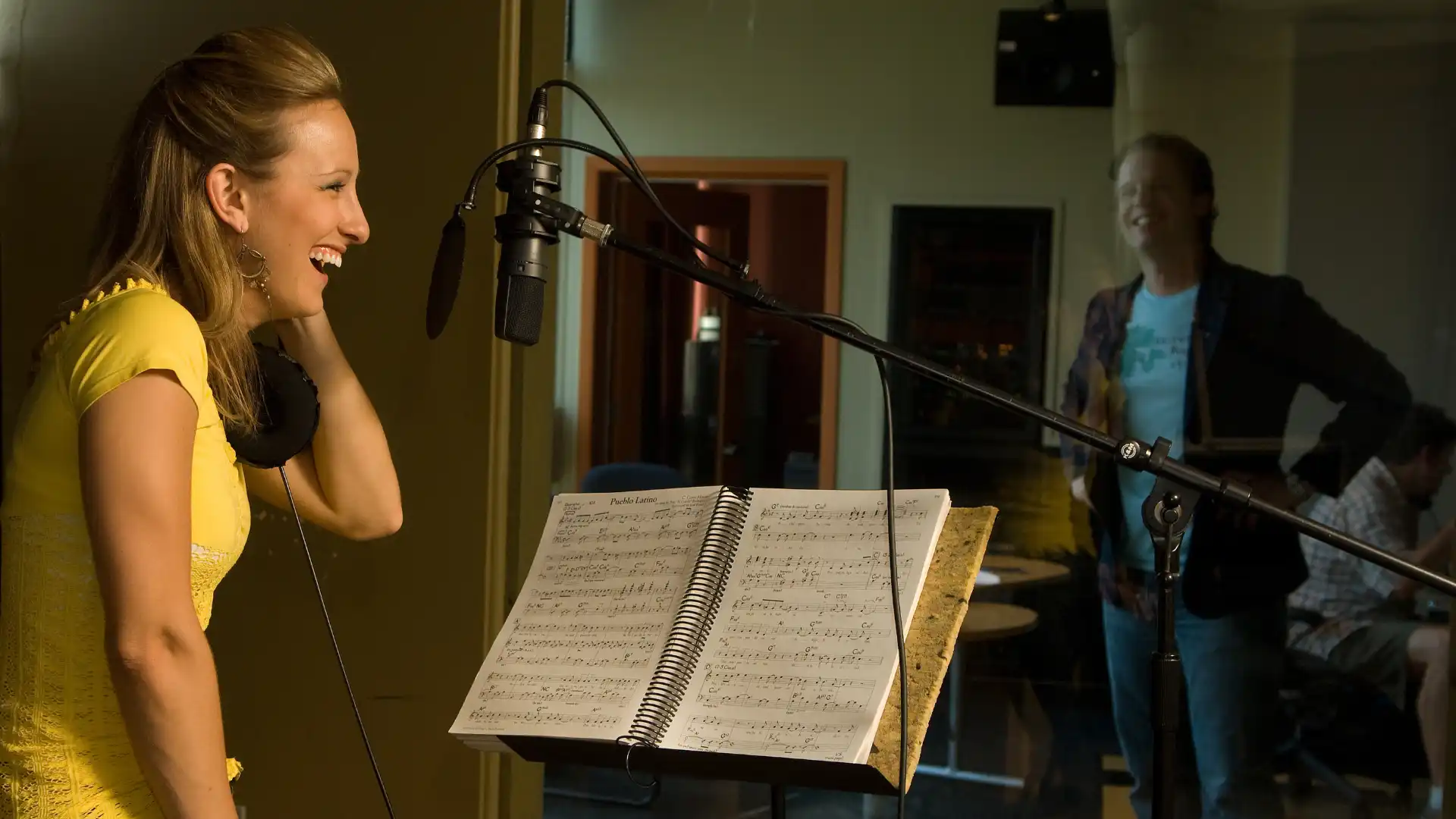
Embarking on a career as an opera singer is a challenging yet rewarding journey that requires dedication, talent, and perseverance. Opera is a unique art form that demands exceptional vocal abilities, stage presence, and musical interpretation. If you aspire to become an opera singer, there are several essential steps you can take to develop your skills and prepare for a professional career.
Develop Your Vocal Technique
Strong vocal technique provides the foundation for an opera singer’s development. Working with experienced teachers and developing language skills can help you build the control, projection, and versatility needed for operatic singing.
- Vocal Training: Work with a vocal coach to develop a strong vocal technique, focusing on breath control, resonance, pitch accuracy, articulation, and vocal range.
- Language Skills: Learn to sing in multiple languages, particularly Italian, German, French, and English, to perform a wider range of operatic repertoire with accurate pronunciation and expression.
Build Your Repertoire
A well-developed repertoire allows you to demonstrate your vocal abilities while exploring different musical styles and characters. Choose pieces that complement your voice and current level of development.
- Opera Selection: Build a collection of appropriate arias and scenes from different operas that showcase your vocal versatility, musicality, and performance skills.
- Character Development: Study the characters you portray by exploring their motivations, emotions, relationships, and role within the story. This can help you deliver more authentic performances.
Stagecraft and Performance Skills
Opera combines singing with acting, movement, and storytelling. Developing strong stagecraft can help you communicate characters and emotions effectively while maintaining proper vocal technique.
- Acting Lessons: Take acting classes to improve your stage presence, expressiveness, physical awareness, and ability to embody different characters.
- Performance Opportunities: Seek opportunities to perform in opera workshops, masterclasses, student productions, and smaller performances to gain valuable stage experience.
Audition Preparation
Auditions are an important part of pursuing opportunities as an opera singer. Careful preparation can help you present your abilities confidently and select repertoire that highlights your strengths.
- Audition Repertoire: Prepare a diverse selection of arias that showcases your vocal range, technical abilities, musicality, and dramatic skills.
- Mock Auditions: Participate in mock auditions with teachers and coaches to practice your presentation, receive feedback, and refine your repertoire choices.
Networking and Industry Insights
Building professional relationships can help you learn more about the opera industry and discover potential opportunities. Becoming actively involved in the opera community can also help you connect with experienced professionals.
- Attend Opera Events: Attend performances, workshops, masterclasses, competitions, and industry events to expand your knowledge and meet people working in opera.
- Professional Organizations: Join opera-related organizations and associations to connect with singers, directors, conductors, teachers, and other industry professionals.
Physical and Mental Wellness
Maintaining your physical and mental well-being is an important part of sustaining a demanding singing career. Healthy habits can support your voice and help you manage the pressures of training and performance.
- Vocal Health: Prioritize vocal health by staying hydrated, avoiding unnecessary vocal strain, getting adequate rest, and seeking professional care when persistent vocal problems occur.
- Mental Preparation: Develop healthy coping strategies for handling audition pressure, performance anxiety, criticism, and the competitive nature of the opera industry.
Continuous Learning and Growth
Opera singers continue developing their voices, musical knowledge, language skills, and performance abilities throughout their careers. Ongoing learning can help you refine your craft and respond to new artistic opportunities.
- Ongoing Training: Continue vocal training, language study, acting practice, musicianship, and artistic development as your skills and experience grow.
- Feedback and Reflection: Seek constructive feedback from mentors, coaches, colleagues, and other experienced professionals. Reflecting on your performances can help you identify areas for improvement.
Conclusion
Becoming an opera singer requires long-term dedication to vocal technique, musical development, acting, language study, and performance experience. By building a suitable repertoire, preparing carefully for auditions, maintaining your well-being, and continuing to learn, you can develop the skills and confidence needed to pursue opportunities in the opera world.
Key Takeaways:
- Develop strong vocal technique and language skills through consistent training.
- Build a repertoire that suits your voice and demonstrates your musical abilities.
- Strengthen stagecraft and acting skills through classes and performance opportunities.
- Prepare thoroughly for auditions and use feedback to refine your performance.
- Maintain your vocal and mental wellness while continuing to develop as an artist.
Consider the Juilliard Voice Performance Fundamentals program for advanced vocal training and career development.