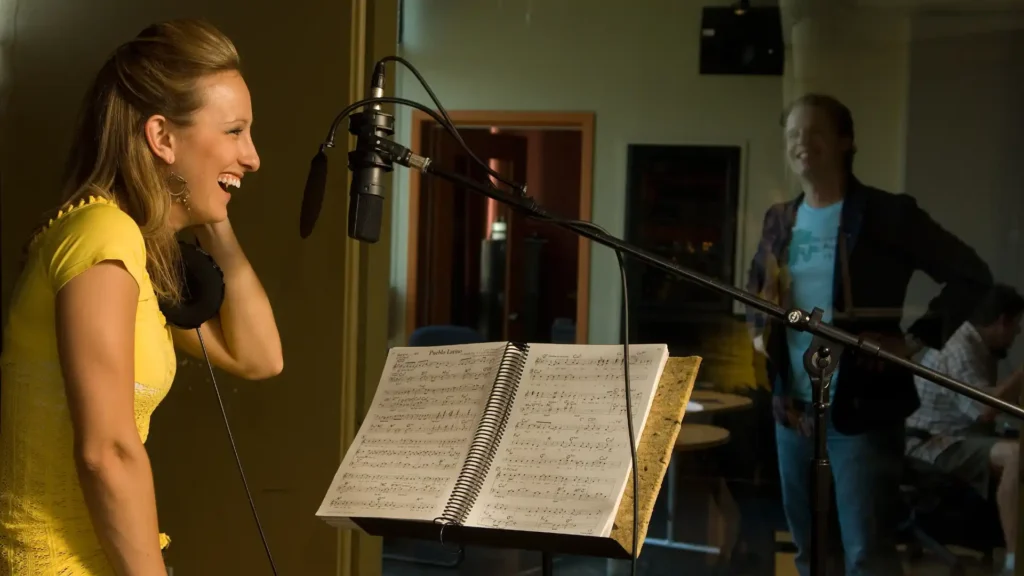
Learning how to read music is a valuable skill for singers that can enhance their musical knowledge and performance abilities. Whether you are a beginner or looking to improve your music reading skills, mastering the basics of music notation can open up a world of opportunities in your singing journey. In this guide, we will explore essential tips and techniques to help you read music effectively for singing.
Understanding Music Notation
Learning the basic elements of written music provides the foundation for reading vocal scores. Understanding the staff, clefs, notes, rests, and rhythms can help you interpret musical information more accurately.
- Staff and Clefs: Learn to identify the musical staff and different clefs commonly used in vocal music notation, such as the treble clef for higher voices and bass clef for lower voices.
- Notes and Rhythms: Familiarize yourself with the various note values, rests, and rhythmic patterns to interpret the duration and timing of musical phrases accurately.
Developing Pitch Recognition
Strong pitch recognition allows singers to connect written notes with the sounds they represent. Combining note memorization with regular ear training can help improve accuracy and musical awareness.
- Note Names: Memorize the names of notes on the staff and practice associating them with their corresponding pitches to improve your pitch recognition skills.
- Ear Training: Train your ear to recognize intervals, scales, and melodic patterns by listening to music and identifying the pitch relationships within songs.
Learning Key Signatures and Scales
Understanding keys and scales makes it easier to recognize the tonal structure of a song. Practicing scales in different keys can also help singers become more comfortable with pitch patterns and vocal movement.
- Key Signatures: Understand the concept of key signatures and how they affect the tonality of a piece of music, indicating the notes that are sharped or flatted throughout the composition.
- Vocal Scales: Practice singing major and minor scales in different keys to develop your vocal range, intonation, and agility while familiarizing yourself with common scale patterns.
Interpreting Vocal Scores
Reading music involves more than identifying notes and rhythms. Singers also need to interpret lyrics, dynamics, articulation, and phrasing to understand how a musical passage should be performed.
- Lyrics and Phrasing: Pay attention to the lyrics and phrasing in vocal scores to convey the emotional content and storytelling aspects of a song through your singing.
- Dynamics and Articulation: Interpret dynamic markings and articulation symbols in vocal music to express nuances in volume, intensity, and style in your vocal performance.
Practicing Sight-Singing
Sight-singing combines music reading with vocal performance, allowing singers to practice translating notation into sound. Regular practice can gradually improve reading speed, pitch accuracy, and confidence.
- Sight-Reading Exercises: Engage in regular sight-singing exercises to improve your ability to read music fluently and accurately on the spot, enhancing your overall musicianship.
- Vocal Exercises: Combine sight-singing with vocal exercises to strengthen your voice, improve your pitch accuracy, and develop your ability to navigate musical passages confidently.
Utilizing Technology and Resources
Digital tools and online resources can provide additional ways to practice music reading outside of formal lessons. Interactive exercises can make it easier to reinforce music theory concepts and monitor your progress.
- Music Apps: Explore music notation apps and software that can assist you in practicing music reading, identifying notes, and testing your knowledge of music theory concepts.
- Online Resources: Access online resources, tutorials, and exercises that focus on music reading for singers, offering interactive tools and educational materials to support your learning journey.
Conclusion
Learning to read music can strengthen your musicianship and give you greater independence as a singer. By understanding notation, developing pitch recognition, practicing scales and sight-singing, and using helpful learning resources, you can become more confident and accurate when interpreting vocal music.
Key Takeaways:
- Learn the basics of musical notation, notes, rhythms, and clefs.
- Develop pitch recognition through note practice and ear training.
- Study key signatures and scales to improve musical understanding.
- Practice sight-singing to connect written music with your voice.
- Use technology and online resources to reinforce your music-reading skills.
Consider enrolling in the Juilliard Voice Performance Fundamentals program for comprehensive vocal training and development.