Building a successful brand requires more than an attractive logo or a memorable slogan. It involves understanding customers, identifying what makes a business different, and communicating its value consistently. A brand strategist helps businesses make these decisions by developing plans that connect brand identity, customer expectations, and long-term business goals.
From fashion labels and streetwear startups to established companies, businesses rely on brand strategy to stand out in competitive markets. For people who enjoy creativity, research, communication, and problem-solving, brand strategy can offer an exciting career path.
Whether you are a marketing student, an aspiring creative professional, or someone looking to transition into branding, understanding the role, developing the right skills, and building practical experience can help you get started.
Understanding the Role of a Brand Strategist
A brand strategist helps determine how a brand should be positioned, perceived, and communicated to its target audience. The role combines research, creative thinking, and business planning to establish a clear direction for a brand.
Rather than focusing only on visual design or advertising, brand strategists examine the bigger picture. They investigate customer needs, analyze competitors, define brand values, and identify opportunities that can help a business build a stronger market position.
What Does a Brand Strategist Do?
A brand strategist develops recommendations that guide a company’s identity, messaging, marketing, and customer experience. Their responsibilities may vary depending on whether they work for an advertising agency, a branding consultancy, a fashion company, or an independent business.
Typical responsibilities include researching target audiences, analyzing competitors, defining brand positioning, developing messaging frameworks, and helping creative teams communicate a consistent brand identity.
For example, imagine a new streetwear brand entering a market filled with established labels. A brand strategist might study the target customers, identify underserved audiences, analyze competitors’ pricing and messaging, and determine what makes the new label distinctive.
The strategist could then recommend a positioning statement, brand personality, key messages, and marketing direction. Designers, copywriters, and marketing teams can use these recommendations to create products, campaigns, and customer experiences that support the same overall identity.
Brand strategists may also evaluate campaign performance and customer feedback to determine whether the brand is achieving its goals. This makes the role both creative and analytical.
Essential Skills for a Brand Strategist
Successful brand strategists need a combination of research, communication, and business skills. Creativity is important, but it must be supported by evidence and a clear understanding of the company’s objectives.
Market research helps strategists understand customer needs and competitive conditions. Analytical thinking allows them to interpret information and identify useful patterns. Creative thinking helps them develop distinctive brand ideas, while storytelling enables them to communicate those ideas in a compelling way.
Strategists must also understand business priorities. A brand recommendation should support objectives such as increasing awareness, attracting the right customers, strengthening loyalty, or entering a new market.
Organization and collaboration are equally important because brand strategy often involves working with designers, marketers, executives, researchers, and clients.
Educational Background and Training
There is no single educational path to becoming a brand strategist. Some professionals study marketing or business, while others enter the field through advertising, communications, design, psychology, or related disciplines.
A formal education can provide a useful foundation, but practical experience, independent study, and a strong portfolio can also play important roles.
Study Marketing and Communication
A degree in marketing, communications, advertising, business, or a related field can help you understand the principles behind brand strategy.
Marketing courses introduce topics such as market segmentation, positioning, customer behavior, and promotional planning. Communication programs can strengthen your writing, storytelling, and audience analysis skills. Business courses help explain how branding connects to revenue, competition, and organizational goals.
Psychology can also be valuable because it explores how people make decisions, form preferences, and respond to messages. Design education may help you understand visual identity and the relationship between creative choices and brand perception.
If you are already pursuing another field, you do not necessarily need to start over with a new degree. You can build relevant knowledge through focused courses, practical projects, and work experience.
Pursue Professional Development
Brand strategy continues to evolve as consumer expectations, digital platforms, and business practices change. Professional development can help you stay informed and strengthen your expertise.
Consider courses in brand positioning, consumer research, storytelling, marketing analytics, and strategic planning. Workshops and short programs can provide structured learning without requiring a full degree.
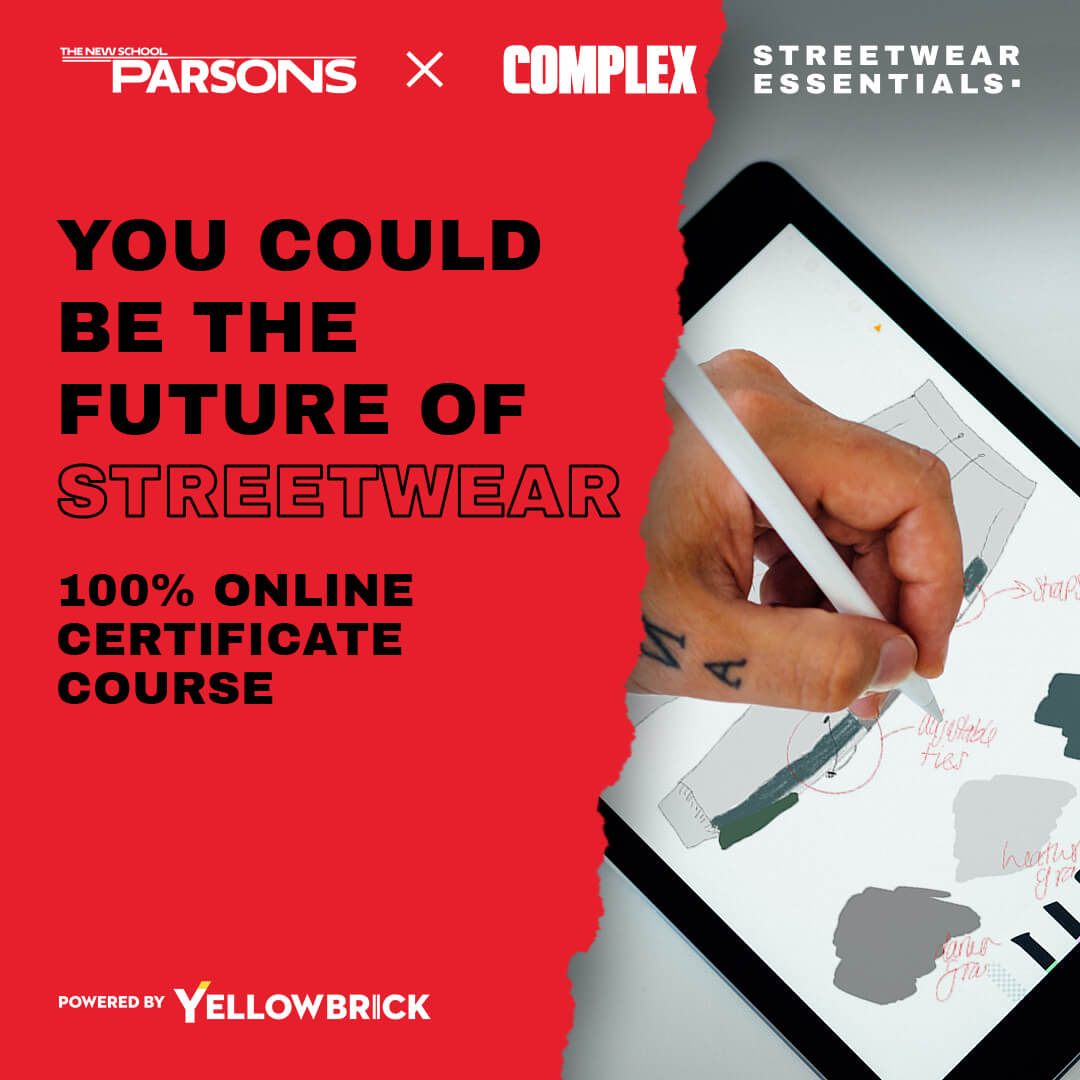
For those interested in fashion and streetwear, specialized programs can offer useful context about fashion culture, consumer communities, and brand identity. The Parsons Streetwear Essentials course is one option to investigate through Yellowbrick. Check the provider’s current course information, curriculum, and availability before enrolling.
You can also learn from brand case studies, industry publications, marketing books, and company campaigns. When studying a successful brand, examine why its positioning works, how it communicates its values, and how its decisions support its target audience.
The goal is not simply to collect certificates. It is to develop the ability to research a business problem, form a strategic recommendation, and explain why that recommendation makes sense.
Building Practical Experience
Understanding branding concepts is useful, but employers and clients also want to see how you apply them. Practical experience helps you develop judgment, learn how projects work, and build evidence of your abilities.
You can gain experience through internships, entry-level positions, freelance projects, personal brand exercises, or collaborations with small businesses.
Apply for Internships and Entry-Level Roles
Internships at branding agencies, advertising firms, marketing departments, and creative studios can introduce you to real projects and professional workflows.
You may assist with competitor research, customer interviews, campaign planning, content development, or presentation preparation. These tasks can help you understand how strategic recommendations are developed and used.
If an internship is not available, consider entry-level roles such as marketing assistant, market research assistant, brand coordinator, or junior account planner. The exact responsibilities vary by employer, but these positions can help you develop relevant skills and industry experience.
You can also approach small businesses that need help clarifying their brand identity. A local clothing label, for example, might benefit from customer research, a competitor review, or a clearer brand message.
When working with real businesses, agree on the project scope and expectations. Avoid promising business growth that you cannot guarantee, and obtain permission before sharing confidential information or work in your portfolio.
Build a Strong Brand Strategy Portfolio
A portfolio demonstrates how you think, research, and solve branding problems. It should show more than attractive graphics or campaign mockups. Employers and clients need to understand the reasoning behind your recommendations.
Each project can include the business challenge, research findings, target audience, competitive analysis, brand positioning, strategic recommendations, and proposed communication direction.
For example, you could create a brand strategy for a fictional sustainable streetwear label. Begin by identifying its intended customers and studying competing brands. Then develop a positioning statement, brand personality, messaging principles, and a launch strategy that reflects the research.
Clearly label fictional or self-initiated projects as concept work. Do not present invented results as actual business outcomes.
If you have worked on a real campaign, explain your contribution and include measurable results only when they are available and can be shared. Even without major clients, a few thoughtful case studies can demonstrate your ability to connect research with strategic decisions.
Keep the portfolio focused on quality rather than quantity. Three detailed projects that explain your thinking may be more persuasive than numerous projects with little strategic explanation.
Developing Key Skills
As you gain experience, focus on the abilities that allow you to turn information into clear, useful brand recommendations. Three especially important areas are research and analysis, strategic thinking, and communication.
Master Research and Analysis
Brand strategy begins with understanding the business, its customers, and its competitive environment. Research helps you move beyond personal assumptions and make recommendations supported by evidence.
Start by learning how to conduct competitor analysis, identify target audiences, review customer feedback, and interpret market trends. Depending on the project, you may use surveys, interviews, social listening, industry reports, website analytics, or publicly available market information.
For a fashion brand, research might reveal that customers care about garment durability, local production, price, or cultural identity. These insights can help the brand decide which benefits to emphasize and how to distinguish itself from competitors.
Learn to separate observations from conclusions. A few social media comments may suggest a customer concern, but they do not necessarily represent the entire market. Strong strategists consider the quality of their evidence, acknowledge limitations, and avoid overstating what the research proves.
You should also become comfortable organizing information into clear findings. A long research report is not automatically useful. The real skill is identifying the patterns that matter and explaining how they affect business decisions.
Strengthen Strategic Thinking
Strategic thinking involves connecting research to business objectives and choosing actions that create a meaningful advantage.
A brand strategist must ask questions such as: Who is the brand trying to reach? What customer need does it address? Why should people choose it over alternatives? What position can it realistically own in the market?
For example, a new clothing brand may not have the budget to compete with major labels on advertising reach or production volume. Research might show that its strongest opportunity is to serve a specific community with distinctive designs and a more personal customer experience.
The strategist can then recommend a focused positioning strategy rather than trying to appeal to everyone.
Strategic thinking also requires prioritization. Businesses usually have limited budgets, time, and resources, so not every opportunity can be pursued at once. A good recommendation identifies the most important actions, explains the reasoning, and establishes how success should be evaluated.
Practice by studying familiar brands and asking yourself what business problem each brand is solving, what makes it distinctive, and whether its marketing decisions support its stated identity.
Develop Communication and Storytelling Skills
A strong strategy has little value if people cannot understand or apply it. Brand strategists must explain complex ideas in clear language and help teams translate strategic direction into consistent communication.
Storytelling helps brands communicate their purpose, personality, and value. However, effective brand storytelling is more than writing an emotional slogan. It connects the brand’s actual strengths and values with the needs and interests of its audience.
For example, a clothing label that works with local artists could develop a narrative around creative collaboration and community. To make that narrative credible, its products, partnerships, and business practices should support the message.
Brand strategists also need strong presentation skills. They may present research findings, explain positioning choices, respond to questions, and persuade decision-makers to support a proposed direction.
Practice writing concise strategy summaries, developing clear presentations, and explaining recommendations without relying on unnecessary jargon. Being able to communicate a strategic idea in a few precise sentences is a valuable professional skill.
Networking and Professional Growth
Brand strategy is a collaborative field. Building professional relationships can help you learn from experienced practitioners, discover opportunities, and understand how different organizations approach branding.
Networking should focus on genuine professional connections rather than simply collecting contacts.
Attend Industry Events and Conferences
Marketing conferences, creative workshops, advertising events, and design exhibitions can introduce you to professionals working in branding and related fields.
These events may provide opportunities to learn about current practices, hear case studies, and discuss challenges with people who have experience in the industry.
Fashion-focused events can be especially useful if you want to work with clothing brands. They can help you understand how cultural movements, product design, retail experiences, and consumer communities influence brand positioning.
You do not need to attend every major conference. Start with events that match your interests and budget. Online talks, professional webinars, and local industry meetups can also provide useful learning opportunities.
When meeting professionals, ask thoughtful questions about their work and share your interests clearly. Follow up respectfully when there is a genuine reason to continue the conversation.
Find a Mentor
A mentor can help you understand the realities of brand strategy, identify areas for improvement, and navigate career decisions.
Look for professionals whose experience aligns with your goals. Someone working in fashion branding may provide more relevant guidance if you want to work with streetwear labels, while an agency strategist may offer insight into client projects and campaign development.
Mentorship does not always require a formal arrangement. You can learn from professionals through informational interviews, portfolio feedback sessions, workshops, or occasional career conversations.
Before asking for help, prepare specific questions. You might ask how to improve a case study, which research skills to develop, or how to approach an entry-level role.
Respect your mentor’s time and apply the feedback you receive. Showing progress demonstrates that you take the relationship seriously.
Continue Learning and Adapting
Consumer behavior, technology, and marketing channels change over time. Brand strategists need to keep learning while remaining focused on the principles that make a brand distinctive and relevant.
Follow developments in consumer research, digital marketing, artificial intelligence, social media, retail, and cultural trends. Explore how new tools can support research and planning, but evaluate their limitations rather than accepting every new technique as useful.
For example, digital analytics can help identify patterns in customer behavior, while AI tools may assist with organizing research or exploring early ideas. However, data still requires interpretation, and generated ideas need human judgment, verification, and strategic direction.
Continue reviewing your own projects as well. Identify which recommendations were effective, which assumptions proved incorrect, and what you would change next time.
A willingness to learn from evidence can help you become a more thoughtful and adaptable strategist.
Career Opportunities for Brand Strategists
Brand strategy can lead to several career paths depending on your interests and strengths.
You might work as a junior brand strategist at an agency, helping develop research and positioning recommendations for clients. You could pursue brand management within a company, coordinating brand activities and helping maintain a consistent market presence.
Other options include account planning, consumer insights, marketing strategy, creative strategy, and independent brand consulting. With experience, some professionals move into strategy leadership roles or establish their own consultancies.
Fashion and streetwear offer additional opportunities because brand identity often connects closely with product design, cultural relevance, collaborations, and community engagement.
The best path depends on the type of work you enjoy. If you like research, consumer insights may be a good starting point. If you prefer combining analysis with creative direction, agency strategy or brand consulting may be more suitable.
Regardless of the role, develop a clear understanding of how branding supports business goals and build a portfolio that demonstrates your ability to solve meaningful problems.
Conclusion
Becoming a brand strategist requires a balance of creativity, analytical thinking, communication, and business understanding. Education can provide a foundation, but practical experience and a strong portfolio help demonstrate that you can apply your knowledge to real branding challenges.
Start by learning the fundamentals of marketing and consumer behavior, studying successful brands, and practicing research and positioning. Build case studies that explain your decisions, seek feedback from experienced professionals, and continue developing your skills as the industry changes.
You do not need to master every aspect of branding before beginning. Consistent practice, thoughtful research, and a willingness to improve can help you build the experience needed for a rewarding career in brand strategy.
Key Takeaways:
- A brand strategist helps businesses define their identity, position themselves in the market, and communicate effectively with their target audiences.
- Studying marketing, communication, business, psychology, or design can provide useful foundations for the role.
- Internships and entry-level marketing positions can help develop practical experience.
- A strong portfolio should explain the research, reasoning, and recommendations behind each project.
- Market research and competitor analysis help strategists make informed decisions.
- Clear storytelling and presentation skills help teams understand and apply brand strategies.
- Industry events and mentorship can provide valuable professional connections and feedback.
- Continuous learning helps brand strategists adapt to changing markets, technologies, and customer expectations.
Elevate your brand strategy skills with Parsons Streetwear Essentials for specialized training and industry insights.