Streetwear continues to evolve as fashion, technology, art, and culture influence the way people dress. What began as a style rooted in skateboarding, hip-hop, and youth culture has grown into a global fashion movement that combines comfort, creativity, and self-expression. In 2026, streetwear is expected to continue exploring new materials, digital experiences, gender-inclusive designs, and collaborations that bring fashion and art together.
For fashion enthusiasts, designers, and clothing brand owners, understanding these emerging trends can help identify new creative opportunities. From environmentally responsible production to more inclusive campaigns, the future of streetwear reflects a growing interest in clothing that looks good, serves a purpose, and connects with people’s values.
Sustainability Takes Center Stage
Sustainability is becoming an important consideration in the fashion industry. As consumers become more aware of textile waste, resource consumption, and the environmental impact of clothing production, streetwear brands have opportunities to create products that combine style with more responsible practices.
In 2026, sustainability is likely to remain an important direction for brands seeking to reduce waste, improve product quality, and build stronger relationships with environmentally conscious customers.
Eco-Friendly Materials
The materials used to make clothing play a major role in its environmental impact. Streetwear brands can explore alternatives to conventional fabrics, including organic cotton, recycled polyester, and innovative plant-based textiles.
Organic cotton is grown without the synthetic pesticides and fertilizers used in conventional cotton farming, although its overall environmental impact still depends on factors such as water use and processing. Recycled polyester can help reuse existing plastic materials, while certain plant-based alternatives offer new possibilities for developing distinctive textures and finishes.
These materials can be incorporated into everyday streetwear staples such as hoodies, T-shirts, joggers, cargo pants, and jackets. Designers can also experiment with natural dyes, lower-impact printing methods, and fabric blends that balance comfort, durability, and appearance.
However, choosing a material labeled as sustainable is only one part of the process. Brands should also consider manufacturing practices, transportation, garment longevity, and the availability of reliable information about their suppliers. Transparent communication helps customers understand what makes a product more environmentally responsible.
Circular Fashion
Circular fashion focuses on keeping clothing and materials in use for as long as possible. Instead of following a cycle of production, consumption, and disposal, this approach encourages brands to design products that can be repaired, reused, resold, recycled, or transformed into something new.
In streetwear, circular fashion can take several forms. A brand might release a collection made from reclaimed fabrics, offer repair services for damaged garments, or introduce a resale program for preowned items. Designers can also create upcycled pieces using discarded clothing, leftover fabric, or unused production materials.
Durability is another essential part of circular fashion. Well-constructed garments with quality stitching, strong fabrics, and timeless designs are more likely to remain in use for years. This approach can be particularly effective for streetwear staples such as denim jackets, heavyweight hoodies, and utility pants.
For independent clothing brands, circular practices can create a distinct identity while helping reduce unnecessary waste. Rather than treating sustainability as a marketing message alone, brands can make it part of their design, production, and customer service strategies.
Tech-Driven Designs
Technology continues to influence how clothing is designed, produced, marketed, and experienced. Streetwear is well suited to experimentation because it often combines practical features with bold aesthetics and innovative materials.
In 2026, technology may play a larger role in both the physical construction of garments and the digital experiences surrounding them. These developments could offer consumers new ways to interact with clothing and give brands additional tools for creativity and personalization.
Smart Fabrics
Smart fabrics are textiles designed to provide functions beyond basic coverage and comfort. Depending on the technology used, they may offer temperature regulation, moisture management, stretch recovery, or other performance features.
For streetwear, these materials could be incorporated into lightweight jackets, athletic-inspired tops, technical pants, and outerwear designed for changing weather conditions. Some garments may also use integrated sensors or electronic components to collect information or enable interactive functions.
Temperature-regulating textiles, for example, can help improve comfort in different environments. Moisture-wicking fabrics can move sweat away from the skin, making them useful for active lifestyles. Reflective materials, protective finishes, and strategically placed ventilation can also combine practical performance with contemporary streetwear aesthetics.
However, not every technical fabric qualifies as a smart textile. Some features rely on specialized materials, while others require electronic components, power sources, or additional maintenance. Cost, durability, washability, and repairability will influence which innovations become practical for everyday clothing.
Brands do not need to adopt expensive technology immediately. Even simple functional details, such as water-resistant finishes, adjustable ventilation, hidden storage, and durable construction, can make streetwear more useful without sacrificing style.
Virtual Fashion Experiences
Digital technology is changing the way consumers discover and interact with fashion. Virtual try-ons, augmented reality, and three-dimensional garment visualization can help shoppers explore clothing before making a purchase.
Augmented reality may allow customers to preview how selected pieces look on a digital representation of themselves. Three-dimensional product displays can show garment details from different angles, while digital design tools can help customers experiment with colors, graphics, and placement options.
Virtual environments may also give streetwear brands new ways to present collections. Instead of relying exclusively on traditional product photography, a brand could create a digital showroom, host an interactive product launch, or showcase experimental designs in a virtual setting.
These experiences can be especially useful for online clothing businesses, where customers cannot physically touch garments or try them on before purchasing. Better visualization may help shoppers understand product details and make more informed choices, although digital previews cannot completely replace accurate sizing information and clear product descriptions.
Virtual fashion also presents creative opportunities through digital-only clothing and collectible designs. Still, its long-term value will depend on accessibility, ease of use, and whether the experience genuinely benefits customers rather than adding unnecessary complexity.
Gender-Neutral Fashion
Gender-neutral fashion challenges the idea that clothing must follow strict categories for men and women. In streetwear, this approach fits naturally with a culture that values individuality, comfort, and personal expression.
Rather than designing every product around traditional gender expectations, brands can offer versatile silhouettes, adaptable styling options, and sizing systems that help more people find clothing that suits their preferences.
In 2026, gender-inclusive streetwear is likely to remain a meaningful design direction, especially among consumers who prefer clothing based on fit, function, and personal style rather than gender labels.
Fluid Silhouettes
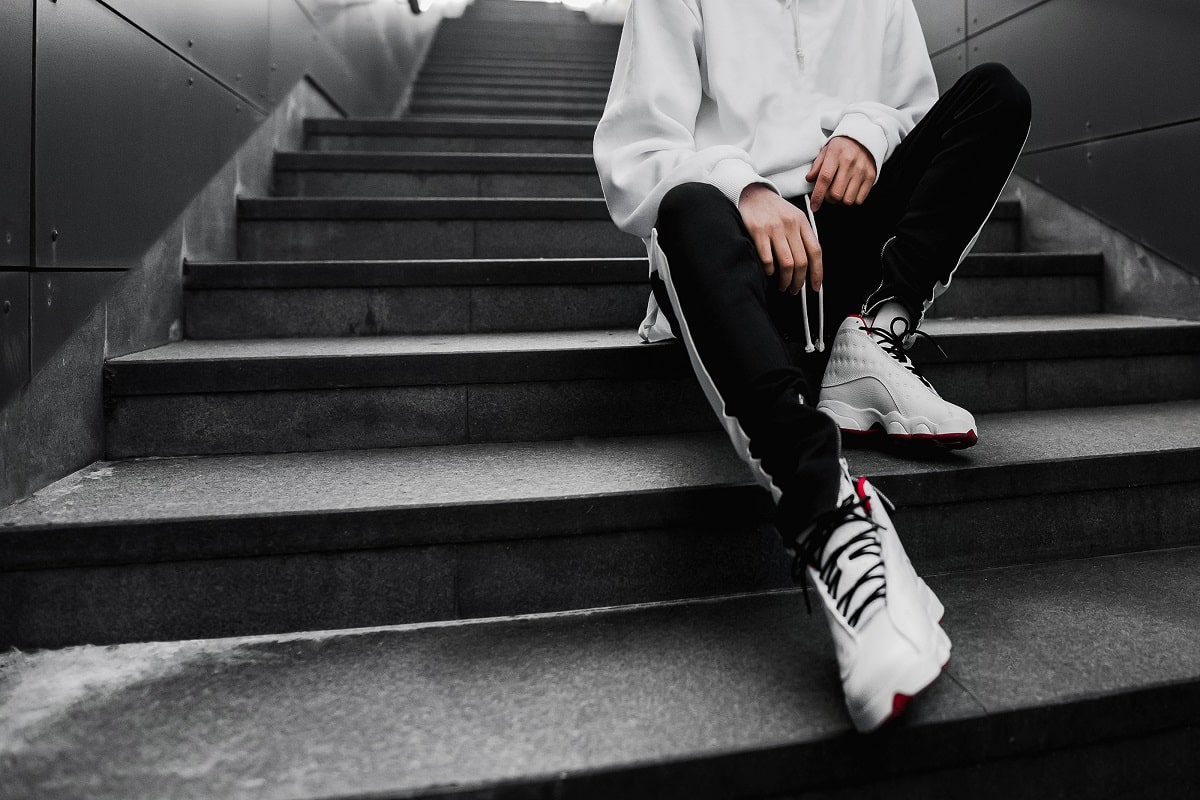
Fluid silhouettes emphasize comfort, movement, and versatility. Oversized T-shirts, relaxed-fit hoodies, wide-leg pants, boxy jackets, and loose-fitting cargo trousers are examples of pieces that can work across different personal styles.
These garments can be styled in numerous ways. An oversized hoodie might be paired with tailored trousers for a balanced look, while wide-leg denim can be combined with a fitted top to create contrast. Layering also allows wearers to experiment with proportions without following a fixed set of rules.
For brands, designing more inclusive silhouettes requires attention to construction and fit. Simply labeling a garment as unisex does not guarantee that it will fit everyone comfortably. Shoulder width, sleeve length, garment length, waist placement, and overall proportions can affect how a piece fits different bodies.
Offering detailed measurements and a broader size range can make shopping easier. Brands can also present garments on models with different body types so customers have a clearer understanding of how the clothing may look and fit.
Androgynous Aesthetics
Androgynous fashion combines elements traditionally associated with masculine and feminine styles. In streetwear, this may include tailored outerwear with relaxed proportions, utility-inspired pieces paired with delicate accessories, or neutral-colored outfits that focus on shape and texture rather than gender conventions.
The goal is not to create one universal look. Instead, androgynous styling gives people more freedom to combine clothing according to their individual preferences.
A boxy blazer, oversized button-down shirt, wide-leg trousers, chunky sneakers, and a minimalist shoulder bag can form a versatile outfit that works across different style identities. Other combinations might incorporate jewelry, layered tops, bold prints, or contrasting fabrics.
Streetwear brands can support this trend by organizing products according to garment type, fit, and intended use rather than relying exclusively on gender-specific categories. This approach can make collections easier to navigate while encouraging customers to explore pieces they might otherwise overlook.
Artistic Collaborations
Streetwear has a long relationship with art, music, photography, illustration, and graphic design. Limited-edition releases and creative partnerships can transform ordinary garments into pieces that tell stories, celebrate cultural influences, or express a particular artistic vision.
In 2026, collaborations may continue to provide opportunities for brands to distinguish themselves in a crowded market. Successful partnerships can bring together different audiences while allowing artists and designers to experiment with new formats and materials.
Artist Collaborations
Collaborations between streetwear brands and artists can introduce fresh ideas into clothing collections. Illustrators, painters, photographers, muralists, digital artists, and graphic designers can contribute original artwork, distinctive visual identities, and creative perspectives.
A collaboration might feature hand-drawn graphics on heavyweight T-shirts, photographic prints on jackets, illustrated patches on denim, or a limited-edition hoodie inspired by a particular art movement. The strongest projects connect the artwork to the brand’s identity rather than applying a recognizable image simply to attract attention.
These partnerships can also help emerging artists reach new audiences. A smaller streetwear label might work with a local illustrator to produce a limited collection that celebrates the surrounding community. The collaboration can provide exposure for the artist while giving the brand an original design story.
Clear agreements are essential. Brands and artists should establish payment terms, ownership of artwork, licensing rights, production quantities, and promotional responsibilities before releasing a collection. Fair compensation and transparent communication help create partnerships that benefit everyone involved.
Artisanal Craftsmanship
Artisanal craftsmanship highlights the skill and attention involved in making clothing. In streetwear, handcrafted details can create a contrast with mass-produced garments and give familiar pieces a more individual character.
Examples include intricate embroidery, hand-painted graphics, patchwork construction, decorative stitching, custom distressing, and carefully applied fabric treatments. These techniques can transform basic garments into distinctive pieces with visible texture and detail.
Artisanal elements can also add meaning to a collection. A designer might incorporate traditional textile techniques, locally sourced materials, or patterns inspired by a community’s cultural heritage. When these influences are used respectfully and with proper collaboration, they can create clothing that connects contemporary streetwear with broader artistic traditions.
Because handcrafted work often requires additional time and skill, it may increase production costs. Limited releases can help brands manage these expenses while preserving the uniqueness of each piece.
However, craftsmanship does not automatically guarantee quality or ethical production. Brands should explain how their products are made and avoid making unsupported claims about handmade processes or cultural inspiration. Authenticity comes from the actual work behind the garment, not simply from presenting it as exclusive.
Inclusive Representation
Representation affects how consumers see themselves in fashion. Streetwear has traditionally drawn strength from communities with distinct identities, creative practices, and cultural influences. Inclusive representation can help brands reflect the diversity of the people who wear their products.
In 2026, brands can strengthen their relationships with consumers by considering not only who appears in their campaigns but also who participates in design, decision-making, and the wider business.
Diversity in Campaigns
Inclusive campaigns feature people with different ethnic backgrounds, body types, ages, and abilities. They can also show a broader range of personal styles and everyday experiences rather than relying on a narrow definition of what a fashionable person should look like.
For streetwear brands, this approach can make marketing feel more relatable. Campaigns might feature local creatives, musicians, students, artists, athletes, and community members wearing the collection in familiar environments.
Authentic representation requires more than including diverse models in a single advertisement. Clothing should be available in sizes that reflect the intended audience, and campaigns should avoid stereotypes or tokenistic portrayals. Accessibility also matters, including clear product information and designs that consider different mobility and dressing needs.
Brands can improve their campaigns by involving the people they represent in the creative process. Paying models and collaborators fairly, seeking meaningful input, and respecting individual identities can help ensure that inclusion is reflected in the way a campaign is produced.
Community Empowerment
Streetwear often grows from local communities, including skateboarding groups, music scenes, independent artists, and youth-led creative movements. Supporting these communities can help brands develop stronger identities and build relationships that extend beyond selling products.
A brand might collaborate with local artists, sponsor community events, support youth creative programs, or donate a portion of proceeds to a clearly identified cause. Other opportunities include offering paid internships, featuring neighborhood businesses, and creating platforms for emerging designers.
Community involvement is most effective when it responds to genuine local needs. Brands should listen to community members, communicate their goals clearly, and explain how resources or support will be provided. A campaign that promotes a social cause without meaningful action can appear performative and weaken consumer trust.
Small businesses can participate without large budgets. Hosting a collaborative design workshop, commissioning local artwork, or showcasing community creators through social media can provide useful opportunities for engagement.
When community support is consistent, it can help streetwear brands develop a sense of belonging around their products. Customers may feel more connected to a brand when they understand the people, places, and values behind its collections.
How Streetwear Brands Can Prepare for 2026
Emerging trends can inspire new collections, but brands do not need to adopt every development at once. The most effective strategy is to identify which ideas align with the brand’s identity, resources, and target audience.
Independent designers can begin by reviewing their current products and identifying practical improvements. This might involve choosing more durable fabrics, offering a wider range of sizes, improving garment measurements, or reducing unnecessary packaging.
Brands interested in technology can test digital product previews or introduce simple customization options before investing in complex virtual experiences. Those drawn to artistic collaboration can begin with a local illustrator or photographer. Businesses seeking stronger community relationships can partner with nearby creatives or support a cause that connects naturally with their mission.
Customer feedback should guide these decisions. Surveys, product reviews, sales data, and conversations with shoppers can reveal which features people value most. Small-scale product tests can also help brands evaluate demand before committing to large production runs.
It is equally important to communicate honestly. Sustainability claims should be supported by reliable information, technology features should be described accurately, and collaborations should reflect genuine creative partnerships. Clear communication helps consumers make informed decisions and gives brands a stronger foundation for long-term growth.
Conclusion
Streetwear in 2026 offers opportunities to combine personal expression with practical innovation and greater social awareness. Sustainable materials and circular fashion can encourage more responsible production, while technical textiles and digital experiences may expand the possibilities of design and shopping. Gender-neutral silhouettes, artistic collaborations, and inclusive campaigns can also help streetwear reflect a wider range of identities and creative perspectives.
These developments are not guaranteed to become universal trends, and their adoption will vary across brands, markets, and consumer groups. Still, they provide useful directions for designers and businesses looking to remain relevant.
Ultimately, the future of streetwear will depend on more than following what is popular. Brands that combine distinctive design with quality, thoughtful production, authentic collaboration, and meaningful connections with their communities will be better positioned to create clothing that resonates with consumers.
Key Takeaways:
- Streetwear brands can use eco-friendly materials, durable fabrics, and upcycling to reduce waste.
- Smart fabrics and virtual try-on experiences can improve comfort, functionality, and online shopping.
- Oversized silhouettes, unisex designs, and inclusive sizing allow people to express their personal styles.
- Collaborations with artists and skilled craftspeople can create unique clothing designs.
- Featuring people from different backgrounds, body types, ages, and abilities makes fashion campaigns more inclusive.
- Supporting local artists, creative groups, and community projects can strengthen connections with customers.
- Brands should choose trends that match their identity, budget, and customers’ needs rather than follow every new development.
Enhance your knowledge of streetwear trends and design with Parsons Streetwear Essentials for expert insights and skills.