A capsule collection is a carefully curated selection of clothing and accessories designed to work together. Instead of offering a large number of unrelated pieces, it focuses on versatile garments that can be mixed and matched to create multiple outfits.
Capsule collections have become popular among individuals who want simpler wardrobes and fashion brands looking to create cohesive, purposeful designs. They emphasize thoughtful selection, consistent aesthetics, and pieces that remain useful beyond a single season.
Whether you’re building a personal wardrobe or developing a clothing brand, understanding capsule collections can help you make better decisions about style, quality, and versatility.
1. Understanding the Essence of a Capsule Collection
A capsule collection is built around the idea that fewer, carefully selected pieces can provide more styling possibilities. Each item serves a purpose and complements the other garments in the collection.
Definition
A capsule collection typically consists of a limited number of coordinated clothing items designed to be worn in different combinations. These pieces may include shirts, trousers, jackets, dresses, knitwear, and accessories.
There is no universally required number of items. A personal capsule wardrobe might contain 15 to 30 carefully selected pieces, while a fashion brand’s capsule collection may include a different number depending on its concept and target audience.
The defining feature is not the exact quantity but the relationship between the pieces. Each item should contribute to a cohesive collection and offer practical styling options.
For example, a capsule collection might include a white shirt, black trousers, straight-leg jeans, a neutral blazer, and a versatile jacket. These garments can be combined in several ways without requiring a large wardrobe.
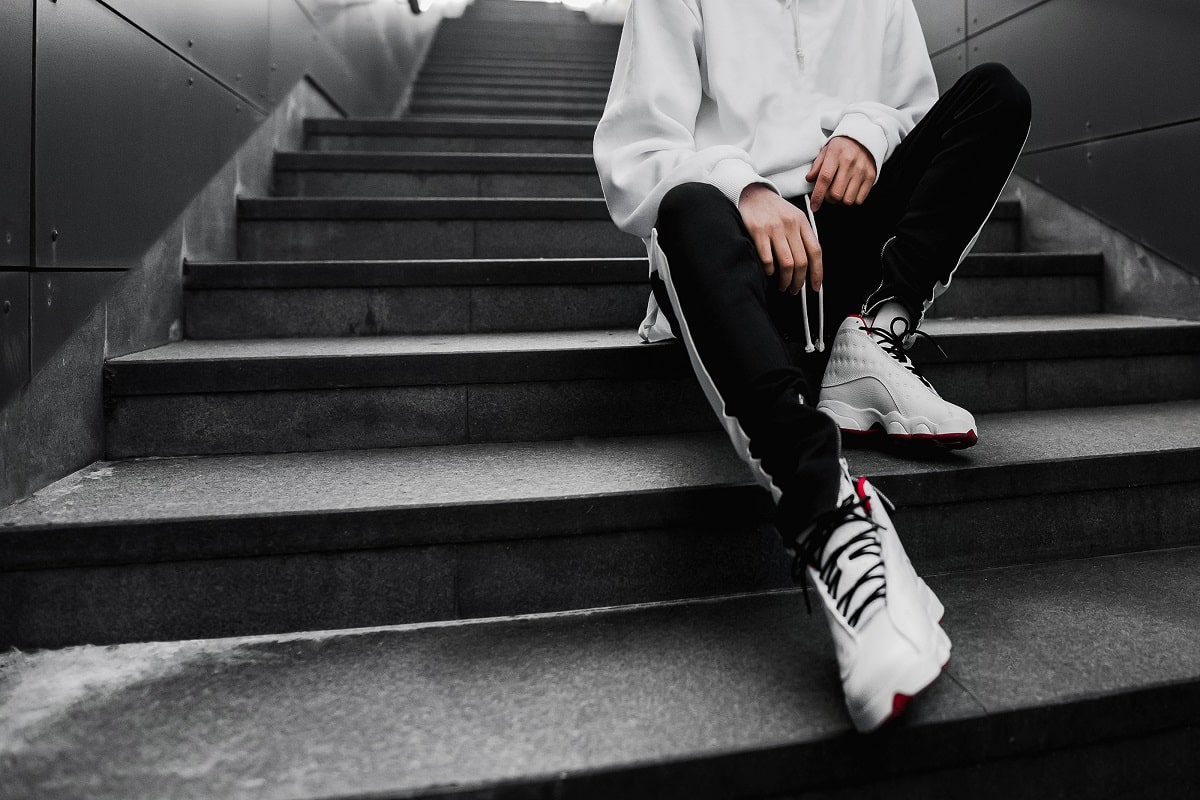
Capsule collections can also reflect different fashion identities. A minimalist collection may focus on neutral colors and clean silhouettes, while a streetwear collection might feature oversized T-shirts, relaxed trousers, hoodies, and statement outerwear.
Purpose
The main purpose of a capsule collection is to create a functional and coordinated selection of clothing without unnecessary duplication. It encourages thoughtful choices by focusing on how each garment contributes to the overall wardrobe.
For individuals, this approach can make dressing easier and reduce the frustration of owning many clothes that do not work together. For fashion brands, a capsule collection provides a clear creative direction and a manageable selection of products to develop and promote.
Capsule collections can also help brands test customer demand before expanding their product range. Instead of introducing dozens of designs, a brand can launch a focused group of garments that share a recognizable identity.
Ultimately, a capsule collection aims to balance style, usefulness, and cohesion. Each item should be attractive on its own while also working well with the other pieces.
2. Key Characteristics of a Capsule Collection
Although capsule collections vary in style and purpose, they share several characteristics that distinguish them from larger, less coordinated clothing ranges.
Timeless Pieces
Timeless pieces are garments that remain useful even as fashion trends change. They often feature simple designs, practical silhouettes, and colors that are easy to coordinate.
Examples include a well-fitted white shirt, straight-leg jeans, a classic blazer, neutral knitwear, and a versatile coat. These items can be worn across different occasions and styled in numerous ways.
Timeless does not necessarily mean plain or traditional. A person with a bold fashion identity might choose distinctive silhouettes or textured garments that consistently reflect their style. The important factor is that the pieces remain relevant to the wearer’s needs rather than being purchased solely because of a short-lived trend.
Quality also matters. Durable fabrics, reliable stitching, and good construction can help garments last longer, although actual longevity depends on use, care, and material performance.
Cohesive Aesthetic
A cohesive aesthetic means that the pieces share a recognizable visual direction. This may come from a consistent color palette, complementary silhouettes, similar design details, or a clear theme.
For example, a neutral capsule collection might combine black, white, beige, gray, and navy. Because these colors coordinate easily, the garments can be combined without requiring extensive planning.
A collection can also create cohesion through texture and proportion. Lightweight shirts, structured blazers, and tailored trousers may work together because they share a polished, contemporary style.
A cohesive aesthetic does not mean every item must look identical. A few contrasting colors, distinctive accessories, or statement garments can add personality while maintaining the overall direction.
The goal is to ensure that most pieces work together naturally, making the collection easier to style and more useful.
3. Benefits of Creating a Capsule Collection
Capsule collections offer practical advantages for both personal wardrobes and fashion businesses. They encourage intentional choices and help people focus on garments that provide lasting value.
Wardrobe Simplification
A capsule wardrobe can make everyday dressing faster and less stressful. When most of your clothes coordinate, you spend less time deciding what to wear and more time using the items you already own.
This approach can also reveal gaps in your wardrobe. You may discover that you need a versatile jacket or comfortable everyday trousers rather than another item similar to something you already have.
Simplifying your wardrobe does not mean limiting yourself to a few basic colors or eliminating creativity. It means choosing pieces that reflect your lifestyle and work well together.
For example, someone who works in an office may prioritize tailored trousers, shirts, and blazers. Someone who prefers casual fashion may build a capsule wardrobe around jeans, T-shirts, knitwear, and comfortable sneakers.
Sustainable Fashion
Capsule collections can support more thoughtful consumption by encouraging people to buy fewer, more versatile garments and use them more frequently.
When clothing is selected for durability and repeated wear, it may reduce the need for constant replacement. A coordinated wardrobe can also make it easier to recognize what you already own before purchasing something new.
For fashion brands, smaller and more focused collections may help reduce the risk of producing large quantities of unwanted designs. Some brands also use preorder systems, small production runs, or customer feedback to make more informed manufacturing decisions.
However, a capsule collection is not automatically sustainable. Its environmental impact still depends on material sourcing, manufacturing methods, transportation, garment durability, and what happens when the clothing is no longer used.
The most meaningful approach combines versatile design with responsible production, realistic purchasing habits, and proper garment care.
4. Designing a Capsule Collection
Creating a successful capsule collection requires a clear concept and careful selection of garments. Every piece should contribute to the collection’s overall purpose while offering practical styling possibilities.
Theme and Inspiration
Begin by defining the concept behind your collection. Think about the lifestyle, aesthetic, season, or audience you want to serve.
A professional capsule collection might focus on workwear essentials, while a casual collection could emphasize comfortable pieces for everyday use. A streetwear capsule might feature oversized tops, relaxed trousers, and distinctive outerwear.
Create a mood board with reference images, colors, fabrics, silhouettes, and design details. This will help you establish a consistent visual direction before developing individual garments.
Consider your target audience’s climate, activities, budget, and preferences. A collection intended for a warm climate may prioritize breathable fabrics and lightweight layers, while one designed for colder conditions may require knitwear and heavier outerwear.
For fashion brands, the theme should also align with the brand’s identity and intended price range. A clear concept makes it easier to select materials, develop product descriptions, and communicate the collection’s purpose to customers.
Piece Selection
Once your concept is established, choose a limited number of garments that can be worn together in different combinations.
Start with foundational pieces that serve several purposes. These may include a plain T-shirt, a versatile shirt, jeans, tailored trousers, a knit top, and a jacket. Add other items according to your lifestyle or the collection’s theme.
Before finalizing the selection, consider how each garment works with the others. A pair of trousers that matches several tops may provide more value than a distinctive item that works with only one outfit.
You should also consider fit, comfort, fabric, and care requirements. A garment may look attractive but offer limited practical value if it is uncomfortable or difficult to maintain.
For brands, piece selection should balance creative vision with commercial considerations. Production costs, minimum order quantities, available sizes, and customer demand all influence which items are practical to include.
Design tip: Plan several complete outfits before approving the collection. If most pieces can be combined easily, your capsule collection is more likely to deliver genuine versatility.
5. Building a Capsule Collection Wardrobe
Building a capsule wardrobe begins with identifying the garments you actually need. Rather than copying someone else’s list, choose pieces that suit your activities, climate, preferences, and personal style.
Essential Basics
Essential basics form the foundation of a capsule wardrobe. They are usually versatile garments that can be worn frequently and styled in different ways.
Common choices include:
-
A white or neutral T-shirt.
-
A classic button-down shirt.
-
Well-fitting jeans.
-
Versatile trousers.
-
A blazer or lightweight jacket.
-
A comfortable sweater or cardigan.
-
A simple dress or another garment suited to your lifestyle.
-
Comfortable everyday footwear.
You do not need every item on this list. Someone who rarely wears formal clothing may not need a blazer, while someone who works in a professional setting may rely on one regularly.
Fit is particularly important. Even a simple garment can look polished when it fits properly and complements your proportions.
When selecting basics, consider how often you will wear each piece, how easily it coordinates with your existing clothes, and whether it suits your everyday activities.
Statement Pieces
Statement pieces introduce individuality and visual interest into a capsule wardrobe. They may include a bold coat, a patterned shirt, distinctive footwear, a colorful handbag, or an accessory with an unusual design.
These items prevent a capsule collection from feeling repetitive. They also allow you to express your personality without requiring every garment to be visually striking.
For example, a wardrobe built around neutral basics can be transformed by adding a brightly colored jacket or patterned scarf. Similarly, a simple outfit of jeans and a T-shirt can look more distinctive with statement sneakers or carefully chosen jewelry.
The key is moderation. Too many statement pieces that compete for attention may make the collection harder to coordinate.
Choose standout items that complement the rest of your wardrobe and reflect your preferred style.
6. Styling and Versatility
The value of a capsule collection becomes clear when you begin combining its pieces. A carefully selected group of garments can create numerous outfits for different activities and occasions.
Mix and Match
Mixing and matching involves combining garments in different ways to create new looks. The more compatible your pieces are, the more outfit possibilities you have.
For example, a white shirt can be worn with jeans for a relaxed look, tucked into tailored trousers for a professional outfit, or layered under a sweater for cooler weather. A blazer can be paired with jeans for a smart-casual appearance or worn with matching trousers for a more formal ensemble.
Layering also increases versatility. A T-shirt under an open shirt creates a casual outfit, while adding a jacket can make the same combination more structured.
You can experiment with proportions, textures, and accessories to create variety without purchasing additional clothing. Changing the footwear or adding a belt can also alter the overall appearance of an outfit.
Styling tip: Take photos of combinations you like. Keeping a record of successful outfits can help you dress more efficiently and discover new ways to use your existing wardrobe.
Day-to-Night Transition
A versatile capsule wardrobe can help you move from daytime activities to evening occasions with minimal changes.
For daytime, you might wear straight-leg jeans, a simple top, and comfortable shoes. To create an evening look, replace the casual shoes with dressier footwear, add a blazer, and introduce a more distinctive accessory.
A simple dress can also work for different settings. During the day, pair it with flats and a lightweight cardigan. In the evening, add a structured jacket, statement jewelry, and more formal shoes.
The goal is not to make every garment suitable for every occasion. Instead, select pieces that can adapt when combined with appropriate layers and accessories.
When building your collection, consider the occasions you attend most often. If you regularly move between work, errands, and social events, prioritize garments that can transition easily between those activities.
7. Capsule Collection Success Stories
Fashion brands use capsule collections in different ways. Some focus on minimalist essentials, while others release limited-edition collaborations or develop smaller collections around particular themes.
Minimalist Brands
Brands such as Everlane and Cuyana are associated with approaches that emphasize streamlined design, versatile pieces, and a considered wardrobe.
Their broader appeal illustrates why some customers are drawn to clothing that can be worn repeatedly and combined in multiple ways. Rather than relying exclusively on fast-changing trends, minimalist fashion often emphasizes clean silhouettes, neutral palettes, and pieces designed to complement one another.
For shoppers, the useful lesson is to focus on the role each garment plays in the wardrobe. A well-chosen shirt or jacket can provide more practical value when it works with several existing items.
For emerging brands, minimalist collections can also provide a clear starting point. A small range of coordinated essentials may be easier to develop and communicate than a collection built around many unrelated styles.
Designer Collaborations
Designer collaborations between fashion labels, retailers, artists, and other creative partners often produce limited-edition capsule collections.
These collaborations combine different creative perspectives to create a focused product range. A designer may bring a distinctive aesthetic, while a retailer contributes its audience, distribution network, or manufacturing capabilities.
Because collaborations often have a defined theme, they can create a strong identity without requiring a large collection. The products may feature distinctive graphics, unusual silhouettes, exclusive colors, or reinterpretations of familiar designs.
Limited availability can also create interest among customers, although the success of a collaboration depends on the quality of the products, the relevance of the partnership, and the strength of the marketing.
For smaller fashion businesses, a collaboration with an illustrator, local artist, or independent creator can offer a way to introduce a fresh perspective without developing an entirely new brand identity.
Sustainable Initiatives
Some fashion brands use capsule collections as part of broader efforts to reduce unnecessary production and encourage more intentional consumption.
A focused collection can help brands concentrate on products with clear purposes instead of releasing large numbers of designs that may have limited demand. Smaller production runs and preorder models can also provide useful information about customer interest before additional garments are manufactured.
Sustainability, however, involves more than limiting the number of styles. Material choices, factory conditions, production waste, transportation, garment longevity, and end-of-life disposal all matter.
Consumers can support more responsible practices by choosing durable garments, following care instructions, repairing clothing when practical, and wearing their purchases regularly.
For brands, transparent communication about materials and production methods can help customers understand what sustainability measures are actually being implemented.
Conclusion
A capsule collection is a thoughtful approach to fashion that emphasizes versatility, coordination, and purposeful design. By selecting garments that work well together, individuals can simplify their wardrobes, while fashion brands can develop focused collections with a clear identity.
The success of a capsule collection does not depend on owning the fewest possible items or following a strict set of rules. It depends on choosing pieces that suit real needs, reflect personal style, and provide lasting value.
Key Takeaways:
- A capsule collection is a coordinated selection of versatile clothing designed to work together.
- Timeless pieces and a cohesive aesthetic make styling easier.
- Capsule wardrobes can simplify dressing and encourage more intentional purchasing.
- A clear theme helps guide the design and selection process.
- Essential basics provide a foundation, while statement pieces add personality.
- Mixing, matching, and layering increase the number of outfits you can create.
- Fashion brands use capsule collections for minimalist essentials, collaborations, and focused product launches.
- A capsule collection can support sustainability, but responsible materials and production practices are also important.
Consider enrolling in Parsons Streetwear Essentials for advanced training in fashion and design.