Starting a clothing brand is an exciting opportunity to turn your creative ideas into a business. Whether you want to launch a streetwear label, sell everyday basics, or create a premium fashion collection, understanding the costs involved can help you make smarter financial decisions from the beginning.
The amount of money you need depends on several factors, including your product designs, manufacturing method, fabric choices, marketing strategy, and sales channels. A small online shop selling printed T-shirts may require only a modest investment, while a brand producing custom hoodies, jackets, and trousers may need substantially more capital.
Beyond making the clothes, you must budget for branding, website development, business registration, inventory, packaging, and ongoing operations. Here’s a breakdown of the major expenses to consider when starting your own clothing brand.
1. Design and Development Costs
Before manufacturing your first product, you need to develop your designs and determine how your clothing will look, fit, and function. These initial decisions establish the direction of your collection and influence production costs.
Design Concept
Design development includes researching fashion trends, creating mood boards, sketching garments, selecting colors, and developing graphics or prints. If you already have design skills, you can handle much of this work yourself using accessible design tools.
However, if you need professional assistance, you may need to hire a freelance fashion designer or illustrator. The cost depends on the complexity of the design, the number of products, and the level of detail required.
For example, creating a basic T-shirt with a simple logo is generally less complicated than designing a jacket with custom panels, specialized stitching, and multiple hardware components.
You should also consider the cost of prototypes and samples. These allow you to evaluate the garment’s fit, fabric, and construction before committing to a larger production run.
Budget tip: Start with a small collection built around a clear concept. Developing a few strong designs can help you control expenses while establishing a recognizable brand identity.
Pattern Making
Pattern making involves creating the templates used to cut fabric pieces before they are sewn together. It is especially important when developing original garment shapes, customized fits, or clothing with unique construction details.
You may need a pattern maker if you plan to produce custom hoodies, trousers, dresses, jackets, or other garments that require precise measurements. Costs depend on the complexity of the design, the number of sizes, and whether grading is needed to create a complete size range.
Some manufacturers include pattern development in their sampling services, while others charge separately. Clarify these details before agreeing to a quotation.
Accurate patterns can improve fit, reduce fabric waste, and help ensure that each garment meets your specifications.
Budget tip: Ask whether pattern development, sample sewing, size grading, and revisions are included in the quoted price.
2. Material and Production Expenses
Materials and manufacturing are often among the largest expenses for a clothing brand. The choices you make affect the quality, durability, appearance, and selling price of your products.
Fabric and Trim Costs
Fabric costs vary according to the material, quality, weight, supplier, and quantity purchased. Cotton, polyester, denim, fleece, linen, and blended fabrics each offer different characteristics and price points.
You must also account for trims and accessories, such as zippers, buttons, drawstrings, elastic, thread, labels, and decorative hardware. A garment with several components may cost more to produce than a basic design using standard materials.
Buying fabric in bulk may reduce the cost per unit, but ordering too much before testing demand can leave you with unused materials. It is important to balance bulk discounts against the risk of excess stock.
Request fabric swatches before placing a large order. Examine their texture, thickness, color, durability, and suitability for your intended design.
Budget tip: Choose materials that match your target market and selling price. Premium fabrics may be worthwhile for a high-end brand, while affordable, durable materials may be more suitable for everyday clothing.
Manufacturing Fees
Manufacturing fees cover the process of turning raw materials into finished garments. Depending on your arrangement with the manufacturer, these expenses may include cutting, sewing, printing, embroidery, finishing, and quality inspection.
Your production method can significantly affect your startup budget. A full-service manufacturer may handle several stages of production, simplifying the process. However, minimum order quantities can require a larger upfront investment.
Other options include local garment workshops, small-batch manufacturers, and print-on-demand services. Print-on-demand can reduce the need to purchase inventory in advance, although the cost per garment may be higher and customization options may be more limited.
When comparing manufacturers, look beyond the price per piece. Ask whether the quotation includes fabric, trims, labels, packaging, sampling, and delivery. Additional charges can make an initially inexpensive quotation much more costly.
Budget tip: Request quotations from multiple suppliers and compare their prices, minimum order quantities, production timelines, and quality standards before making a decision.
3. Branding and Marketing Investments
A clothing brand needs a recognizable identity and a way to reach potential customers. Branding helps distinguish your products, while marketing introduces them to the people most likely to buy them.
Logo and Brand Identity
Brand identity includes your logo, typography, color palette, clothing labels, packaging, and overall visual style. These elements help customers recognize your products and understand what your brand represents.
You can create a simple logo yourself using design software if you have the necessary skills. However, hiring a professional designer may be worthwhile if you need a more developed identity that works across clothing tags, websites, packaging, and social media.
Consider how your logo will appear in different formats. A design that looks attractive on a website may need adjustments to remain clear when embroidered on a small label.
You may also need hangtags, printed labels, branded mailers, and packaging inserts. These details can enhance your presentation, but they are not always essential for your first launch.
Budget tip: Prioritize a clear, consistent brand identity before investing in expensive packaging or elaborate visual elements.
Marketing Campaigns
Marketing helps customers discover your clothing brand and understand why they should choose your products. Common strategies include social media content, paid advertisements, email marketing, influencer collaborations, and promotional events.
You can begin with organic marketing by posting product photos, styling videos, behind-the-scenes content, and updates about your design process. This approach can reduce advertising expenses, although it requires time and consistent effort.
Paid advertising can help you reach a targeted audience, but results are not guaranteed. Start with a manageable budget and monitor which campaigns generate meaningful engagement, website visits, and sales.
Influencer collaborations may involve a fixed fee, free products, or affiliate commissions. Choose creators whose audiences match your intended customers rather than selecting partners based only on follower count.
Product photography is another important expense. Clear images showing fabric texture, fit, colors, and garment details can help customers make informed purchasing decisions.
Budget tip: Define your target audience before spending heavily on promotions. A focused marketing plan is often more effective than advertising without a clear strategy.
4. E-Commerce Platform and Website Development
An online store gives customers a place to explore your collection, check prices and sizes, and purchase your products. Your website should be easy to navigate, visually consistent with your brand, and functional on mobile devices.
Website Design
Website development costs depend on whether you build the store yourself, use an existing e-commerce theme, or hire a professional developer.
A self-built website can be an affordable option for beginners. Many platforms offer templates and built-in features for product listings, checkout, and order management. However, subscriptions, premium themes, and additional applications may increase your expenses.
A custom website offers more flexibility but usually requires a larger investment. You may need professional assistance with layout, mobile responsiveness, search features, product filters, and checkout improvements.
Your product pages should include clear photographs, accurate descriptions, size charts, fabric information, and care instructions. These details help customers understand what they are buying and can reduce confusion and returns.
Budget tip: Choose a website solution that meets your current needs. You can add advanced features as your business grows and your sales justify the expense.
Online Store Setup
Setting up an online store involves more than designing its appearance. You must also configure payment methods, shipping options, inventory tracking, customer notifications, and order fulfillment.
Payment providers may charge transaction or processing fees, while e-commerce platforms may require monthly subscriptions or additional service fees. Review these costs carefully before choosing a provider.
You should also establish shipping rates, delivery expectations, and policies for returns, exchanges, cancellations, and refunds. If you plan to sell internationally, consider additional expenses related to customs, taxes, international shipping, and cross-border returns.
Inventory management tools can help you track products across different sizes and colors, prevent overselling, and monitor stock levels. A small business may initially use a spreadsheet, while a larger operation may benefit from dedicated software.
Budget tip: Test the entire purchasing process before launching your website. Confirm that payments work, shipping costs are calculated correctly, and customers receive order confirmations.
5. Operational and Administrative Expenses
Running a clothing brand involves administrative responsibilities that continue even when sales are slow. Planning for these expenses helps you understand how much money your business needs to remain operational.
Business Registration
Depending on your location and business structure, you may need to register your business name or legal entity, obtain local permits, and comply with tax and reporting requirements.
In the Philippines, requirements may include business name registration, local government permits, and registration with the Bureau of Internal Revenue. The specific requirements depend on whether you operate as a sole proprietor, partnership, or corporation.
Registration fees are only part of the total cost. You should also consider bookkeeping, invoicing, tax compliance, and any professional assistance needed to understand your obligations.
Check the current requirements and fees with the relevant government agencies before allocating your budget. Do not assume that registration alone covers every permit or compliance requirement.
Budget tip: Set aside funds for registration and ongoing compliance before launching your business.
Office Space and Utilities
You do not necessarily need an office or retail store to start a clothing brand. Many small businesses operate from home, using a dedicated space to store inventory, pack orders, and manage customer inquiries.
Working from home can reduce expenses related to rent, electricity, furniture, and commuting. However, you still need adequate storage, a clean packing area, and an organized system for managing products.
If you need a separate workspace, consider rent, utility bills, internet access, furniture, security, and maintenance. A retail location may involve additional expenses, including rental deposits, renovations, signage, and display fixtures.
As your business expands, you may eventually need a larger storage area or a fulfillment partner to handle increasing order volumes.
Budget tip: Keep fixed costs low during the early stages. Avoid committing to expensive office or retail space until your sales and operational needs justify it.
6. Inventory and Stock Management
Inventory is one of the most important financial considerations for a clothing brand. You need enough products to meet customer demand without tying up too much money in items that may not sell.
Initial Inventory
Your initial inventory budget depends on the number of designs, colors, sizes, and units you plan to offer. A brand selling a few T-shirt designs will have different requirements from one launching a collection of hoodies, jackets, and trousers.
Bulk manufacturing can reduce the cost per garment, but it requires more money upfront. You must pay for production before knowing exactly how quickly each item will sell.
Unsold inventory can create financial problems. Some sizes or colors may sell faster than others, and fashion trends can change. Products that remain in storage tie up capital that could otherwise support marketing, operating expenses, or new designs.
You can reduce this risk by launching a limited collection, working with a supplier that accepts smaller orders, or using preorders with clear delivery timelines and refund policies.
Budget tip: Start with a focused product range and use actual sales data to guide restocking decisions. Test customer demand before significantly increasing your inventory.
Inventory Management Software
Inventory management helps you track stock levels, product variations, incoming deliveries, and completed sales. This becomes especially important when your clothing line includes several sizes and colors.
In the beginning, a well-organized spreadsheet may be sufficient. Record each product’s stock quantity, size, color, cost, selling price, and reorder status. Update the records whenever products arrive, orders are fulfilled, or items are returned.
As your business grows, dedicated software may help automate stock updates, synchronize inventory across sales channels, and generate reports. Costs vary according to the provider, features, and number of users.
Choose a system that fits your current operations. Paying for complex software before you have enough orders to justify it can unnecessarily increase your monthly expenses.
Budget tip: Establish an inventory tracking process from the beginning, even if you use a simple spreadsheet. Accurate records make it easier to identify fast-selling products and prevent stock discrepancies.
7. Customer Service and Support
Customer service influences how customers experience your brand before and after purchasing. You need a reliable way to answer questions, handle order issues, and manage returns.
Customer Care
Customers may ask about sizing, fabric quality, product availability, delivery times, and order status. They may also need assistance with exchanges, refunds, damaged items, or delayed shipments.
During the early stages, you can often manage customer service yourself through email, social media, or a business messaging account. This reduces staffing costs but requires time and consistent attention.
As order volume increases, you may need customer service representatives or outsourced support. These arrangements introduce additional expenses, so consider whether they are justified by your workload.
Prepare clear policies for returns, exchanges, cancellations, and refunds. Accurate product descriptions and detailed size charts can also reduce avoidable questions and complaints.
Budget tip: Create standard responses for common inquiries, but make sure customers can still receive personal assistance when a problem requires attention.
Packaging and Shipping
Packaging protects your products during delivery and contributes to the customer’s first impression. Common supplies include mailers, boxes, tissue paper, stickers, shipping labels, and protective materials.
Basic packaging may be sufficient for a new brand. Custom mailers, printed boxes, and branded inserts can create a more distinctive experience, but they increase the cost of each order.
Shipping expenses depend on package size, weight, destination, courier rates, and delivery speed. You should also account for packaging labor, pickup arrangements, failed deliveries, and the cost of resending damaged or returned products.
Decide whether customers will pay shipping separately, receive free shipping above a minimum purchase amount, or pay a delivery charge included in the product price. Each option affects your profit margin.
Budget tip: Calculate the full fulfillment cost per order, including packaging and handling, before setting your prices. Small expenses can become significant when multiplied across hundreds of orders.
8. Miscellaneous Expenses and Contingency Fund
Even with careful planning, unexpected expenses can arise. A supplier may increase prices, a sample may need several revisions, or a marketing campaign may perform differently than expected.
Contingency Budget
A contingency fund is money reserved for expenses that are difficult to predict. It gives you flexibility when a shipment is delayed, a batch contains defects, or additional product development becomes necessary.
The amount you reserve depends on your total budget, supply chain complexity, and financial risk. Some business owners use approximately 10% to 20% of their planned startup costs as a contingency, although this is only a guideline and not a fixed requirement.
You should also keep operating cash separate from money allocated to inventory. A business may appear profitable on paper but still struggle to pay its bills if too much money is tied up in unsold garments.
Review your budget regularly and update it as supplier quotations, sales results, and operating expenses become clearer.
Budget tip: Avoid spending your entire startup budget on the first production run. Keeping cash available can help you manage delays, replace defective products, and respond to customer demand.
Professional Services
Professional services can help you make informed decisions and avoid costly mistakes. Depending on your needs, you may seek assistance from accountants, lawyers, designers, photographers, web developers, or business consultants.
An accountant can help organize financial records and clarify tax obligations. A lawyer may assist with contracts, intellectual property questions, or supplier agreements. Designers and technical specialists can help you develop garments that meet professional standards.
You do not need to hire every professional at the beginning. Prioritize services that address your biggest skill gaps or business risks, and seek qualified assistance when a task requires specialized knowledge.
Budget tip: Request a clear quotation and scope of work before hiring a service provider. Confirm what deliverables, revisions, and additional charges are included.
How Much Money Do You Need to Start a Clothing Brand?
There is no single startup cost that applies to every clothing brand. The following are illustrative planning ranges in Philippine pesos, not current supplier quotations or guaranteed market prices.
- Print-on-demand clothing brand: ₱5,000–₱25,000. This model generally requires less upfront inventory investment because products are made after orders are placed. You may still need funds for samples, branding, store setup, and promotion.
- Small online brand with limited stock: ₱25,000–₱100,000. This budget may cover a small initial collection, basic packaging, product photography, and online marketing, depending on supplier costs and the quantity produced.
- Custom-designed small-batch collection: ₱100,000–₱300,000. This approach may require more investment in pattern making, sampling, specialized materials, custom labels, and manufacturing.
- Larger collection with more extensive production: ₱300,000 and above. A larger launch may involve more designs, greater inventory quantities, higher production commitments, and additional marketing and operational expenses.
Your actual costs may fall outside these ranges depending on product complexity, minimum order quantities, supplier pricing, and how much work you handle yourself. Use these figures as starting points for planning, then replace them with actual quotations and expense estimates.
How to Reduce Startup Costs Without Sacrificing Quality
You can reduce expenses by making deliberate decisions about your first collection.
- Start small: Launch a limited number of designs rather than a complete seasonal collection.
- Use existing garment styles: Consider high-quality blank garments with custom printing or embroidery before investing in fully custom construction.
- Handle manageable tasks yourself: Create basic social media content, organize inventory, or build your initial online store if you have the necessary skills.
- Compare suppliers: Obtain several quotations and examine both pricing and quality.
- Order samples first: Test fit, fabric, and construction before purchasing a large quantity.
- Keep packaging simple: Prioritize safe, professional packaging before investing in expensive custom boxes.
- Track every expense: Record both one-time startup costs and recurring operating expenses.
- Test demand: Use small releases or clearly managed preorders to understand customer interest before expanding production.
Cost reduction should not mean ignoring quality. Poor stitching, uncomfortable fabrics, inaccurate sizing, and unreliable delivery can damage customer trust and lead to returns or lost sales.
Conclusion
Starting a clothing brand requires more than money for fabric and manufacturing. You must also consider design development, branding, marketing, e-commerce, registration, inventory, shipping, and ongoing operations.
The right startup budget depends on the type of clothing you want to sell, your production method, and the size of your initial launch. By starting with a focused collection, researching suppliers, testing samples, and keeping enough working capital, you can reduce unnecessary financial risks.
Treat your clothing brand as a business that needs both creative direction and financial discipline. Careful budgeting can help you protect your investment, make better decisions, and build a foundation for long-term growth.
Key Takeaways:
- Consider design concept and pattern making costs for your clothing brand.
- Factor in fabric, trim costs, and manufacturing fees for your garments.
- Allocate funds for logo design, branding, and marketing campaigns.
- Invest in website design and online store setup for your clothing brand.
- Budget for business registration, office space, and utilities.
- Plan for initial inventory and software for efficient stock management.
- Set aside funds for customer care, packaging, and shipping services.
- Create a contingency budget for unexpected costs and professional services.
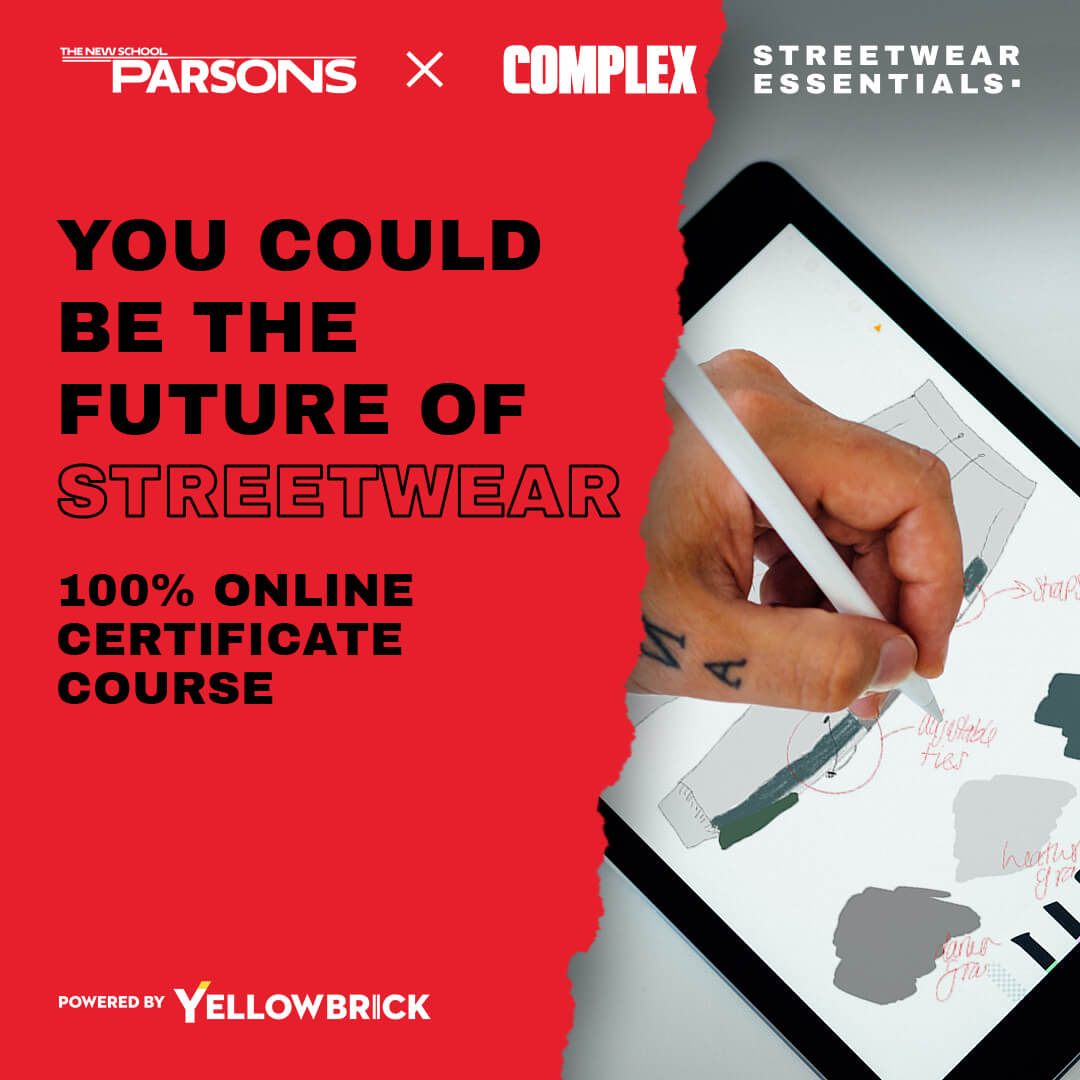
Consider enrolling in Parsons Streetwear Essentials for advanced training in fashion and design.