Becoming a successful fashion influencer involves more than wearing stylish outfits and posting pictures online. It requires creativity, consistency, a clear personal brand, and the ability to build meaningful relationships with an audience. Fashion influencers use digital platforms to share their style, introduce new trends, recommend products, and shape how people discover and experience fashion.
With opportunities across Instagram, TikTok, YouTube, and fashion blogs, aspiring influencers can build an audience around almost any style, from streetwear and minimalist fashion to thrifted outfits and luxury clothing. However, standing out in a crowded industry requires a thoughtful approach to content creation, audience engagement, and business development.
Whether you want to become a full-time fashion creator or build an online presence alongside another career, understanding the essential steps can help you turn your interest in fashion into a recognizable personal brand.
Defining the Role of a Fashion Influencer
A fashion influencer creates content that inspires or informs people’s clothing choices, shopping decisions, and personal style. Through social media, videos, photographs, and written posts, influencers share fashion ideas and develop relationships with audiences who trust their opinions.
Their work can involve outfit styling, product reviews, trend discussions, shopping recommendations, fashion tutorials, and collaborations with clothing brands. Some focus on everyday outfits, while others specialize in streetwear, sustainable fashion, luxury products, or affordable styling.
What Does a Fashion Influencer Do?
Fashion influencers create content that helps their audiences discover products, explore styling ideas, and develop their own fashion preferences. Their responsibilities often extend beyond posting photographs.
A typical content creator may plan outfits, research trends, photograph or film looks, edit videos, write captions, respond to followers, and review performance analytics. When working with brands, they may also develop campaign concepts, follow creative guidelines, submit content for approval, and meet publication deadlines.
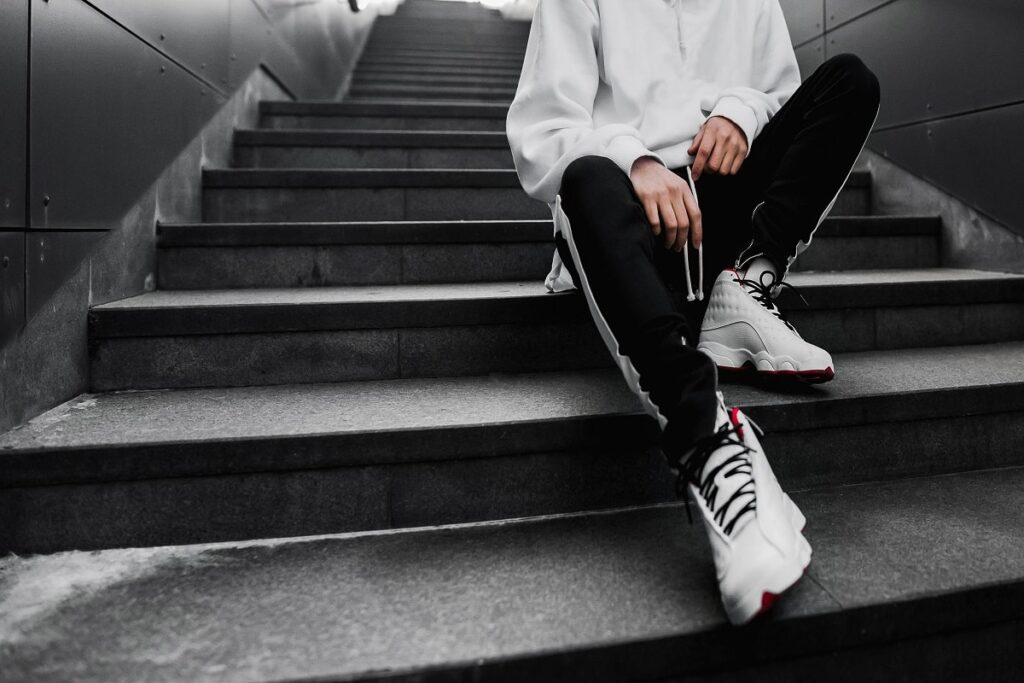
For example, a streetwear influencer might create a series showing how to style one oversized hoodie in five different ways. Another creator could compare affordable denim brands, explain how to build a capsule wardrobe, or review the quality of clothing purchased online.
Fashion influencers can earn income through sponsored content, affiliate links, brand partnerships, and other business activities. However, income is not guaranteed, and building a profitable platform often takes time.
Essential Skills for Fashion Influencers
Successful fashion influencers combine creative and business skills. A strong sense of style helps them develop appealing content, while photography, video editing, and storytelling allow them to present their ideas effectively.
Communication is equally important. Influencers need to explain their opinions clearly, interact respectfully with followers, and build trust through honest recommendations.
Other useful skills include trend research, content planning, negotiation, time management, and basic analytics. Understanding audience engagement and campaign performance can help creators improve their content and demonstrate value to potential brand partners.
You do not need to master every skill before starting. You can develop them gradually by creating content, reviewing the results, and learning from experience.
Building Your Personal Brand
Your personal brand is the identity people associate with your content. It includes your style, personality, values, visual presentation, and the subjects you regularly discuss.
A clear personal brand helps audiences understand what makes your content distinctive. It also makes it easier for brands to identify whether your audience and creative approach align with their products.
Define Your Personal Style
Start by identifying the fashion styles, subjects, and creative ideas that genuinely interest you. You might enjoy streetwear, vintage clothing, minimalist outfits, thrift shopping, sustainable fashion, or affordable everyday looks.
You do not need to copy the style of an established influencer. Instead, consider what makes your perspective different. Perhaps you specialize in styling secondhand clothing, creating outfits on a limited budget, mixing local designers with mainstream brands, or adapting runway trends for everyday wear.
For example, an influencer who focuses on affordable streetwear could show followers how to combine basic T-shirts, relaxed jeans, sneakers, and accessories into different outfits without spending excessively.
Consistency helps audiences recognize your content, but your style can still evolve. You can experiment with new colors, silhouettes, and trends while maintaining a recognizable point of view.
Authenticity is important because audiences often respond to creators who communicate honestly about their preferences and experiences. Promoting products you do not believe in can weaken that trust, especially when recommendations feel disconnected from your usual content.
Create a Recognizable Visual Identity
Your visual identity includes the colors, photography style, editing choices, typography, and overall presentation associated with your content.
You do not need expensive equipment to create a professional appearance. A smartphone, natural lighting, a simple background, and thoughtful composition can be enough to produce clear and attractive photographs or videos.
Choose a visual approach that supports your style. A minimalist fashion creator might use clean backgrounds and neutral colors, while a streetwear influencer could experiment with urban locations, dynamic angles, and bold styling.
A consistent profile photograph, username, biography, and content layout can also make your account easier to recognize. However, visual consistency should not make every post look identical. Different formats and locations can keep your content interesting.
Develop a Content Strategy
A content strategy helps you decide what to publish, how often to post, and what value each piece of content provides. Rather than sharing random outfit pictures, organize your ideas around a few subjects that reflect your personal brand.
For example, a fashion influencer might focus on three main content categories: outfit inspiration, styling education, and product reviews. These categories create variety while keeping the account focused.
You can also plan content around seasonal changes, fashion events, wardrobe challenges, shopping experiences, or frequently asked questions from followers.
Choose formats that suit your strengths. Short videos can demonstrate outfit transformations, longer videos can provide detailed reviews, and photographs can showcase complete looks. A blog can offer more space for styling guides and product comparisons.
Focus on creating content that helps, informs, entertains, or inspires your audience. A clear purpose gives people a reason to follow your account and return for future posts.
Growing Your Online Presence
Building an audience takes time. Consistent publishing, relevant content, and genuine interaction can help people discover your work and develop an interest in your personal style.
Growth is not determined by follower count alone. An audience that regularly watches your videos, saves your styling tips, asks questions, and trusts your recommendations may be more valuable to brands than a larger audience with little engagement.
Choose the Right Social Media Platforms
Different platforms offer different ways to present fashion content. Choose the ones that match your goals, audience, and preferred format rather than trying to maintain every account at once.
Instagram can be useful for outfit photographs, Reels, Stories, and visual storytelling. TikTok can help creators share short styling demonstrations, trend commentary, shopping finds, and behind-the-scenes videos. YouTube offers opportunities for longer content, such as clothing hauls, wardrobe guides, fashion reviews, and personal style discussions.
A blog can complement social media by providing detailed written guides, product comparisons, and searchable fashion advice.
You can repurpose suitable content across platforms, but adapt each post to the platform’s format and audience. A short styling video may work well as a Reel or TikTok, while a detailed product comparison may be more useful as a YouTube video or blog article.
Start with one or two platforms where you can publish consistently. Expand when you have a manageable workflow and a clearer understanding of what your audience enjoys.
Use Hashtags, Trends, and Collaborations Strategically
Hashtags, search-friendly captions, relevant keywords, and collaborations can help people discover your content. Their effectiveness varies by platform, so focus on relevance rather than adding as many tags as possible.
Use descriptive phrases that reflect what appears in your post. A video about styling wide-leg jeans, for example, should clearly mention the garment and the styling ideas rather than rely on unrelated trending tags.
Trends can also introduce your content to new viewers, but you do not need to participate in every viral challenge. Choose trends that fit your personal brand and offer an opportunity to add your own perspective.
Collaborating with photographers, stylists, makeup artists, local designers, and other creators can introduce your work to new audiences. A joint outfit challenge or styling video can be mutually beneficial when both creators contribute something valuable.
Avoid buying fake followers or engagement. Artificial numbers do not create a genuine community and may damage your credibility with brands.
Engage With Your Audience
A strong fashion influencer builds relationships rather than treating followers as numbers. Responding to comments, answering questions, and asking for feedback can make your audience feel involved in your content.
For example, you could ask followers which of two outfits they prefer, what clothing item they struggle to style, or which topic they want you to cover next. Their responses can provide useful ideas for future posts.
Question-and-answer sessions, polls, live videos, and styling challenges can also encourage interaction. Make sure these activities feel natural and relevant to your audience.
You do not need to respond to every message immediately, but try to maintain a respectful and consistent approach. Set reasonable boundaries around your time and privacy, particularly as your audience grows.
Pay attention to the quality of interactions, not only the number of likes. Meaningful questions, saves, shares, and thoughtful comments can indicate that your content is useful to viewers.
Collaborating With Fashion Brands
Brand partnerships can provide income, products, and opportunities to reach new audiences. However, successful collaborations depend on choosing suitable partners and maintaining the trust you have built with your followers.
Find Brands That Match Your Style and Values
Look for brands whose products, target audience, and values align with your content. These may include independent clothing labels, local designers, footwear companies, accessories brands, thrift stores, or established fashion retailers.
Before approaching a brand, research its products, visual identity, and previous campaigns. Consider whether you would genuinely recommend its products and whether they fit the interests of your audience.
A streetwear creator, for example, might approach a local sneaker store or an independent clothing label rather than a company whose products have little connection to the creator’s usual content.
You do not need a massive following to begin building professional relationships. Smaller creators may offer brands access to a specific community, a distinctive creative style, or strong engagement within a focused audience.
When contacting a brand, explain who you are, what kind of content you create, who your audience is, and why a collaboration makes sense. Include examples of relevant content rather than sending a generic message to every company.
Negotiate Fair Partnerships and Contracts
When a brand expresses interest, clarify the scope of the collaboration before agreeing to the project. A professional agreement should explain what you are expected to deliver and what compensation or benefits you will receive.
Important details may include the number and format of posts, publication dates, revision limits, payment terms, product delivery, and approval procedures. The agreement should also address how the brand can use your content, including whether it can repost, edit, or use it in paid advertising.
Usage rights can affect the value of your work. A brand’s request to use a video in advertisements for an extended period may require different compensation from a simple sponsored post.
Exclusivity is another important consideration. If a contract prevents you from working with competing brands, understand how long the restriction lasts and which products or companies it covers.
Do not accept a partnership solely because a brand offers free clothing. Consider the time required to create the content, the audience value, the requested usage rights, and the opportunity cost.
Read agreements carefully, keep written records of important discussions, and seek professional advice when the terms are complicated or the financial commitment is significant.
Disclose Sponsored Content
Transparency is essential when earning money or receiving products in exchange for promotion. Audiences should be able to recognize when content involves a commercial relationship.
Depending on the applicable rules, disclosures may be required for paid partnerships, affiliate links, gifted products, discounts, or other material connections with a brand.
Use clear language that people can easily understand, and follow the relevant advertising regulations and platform disclosure tools. Do not assume that a vague hashtag or a brand tag automatically communicates that a post is sponsored.
Honest disclosure helps protect your credibility and allows followers to evaluate your recommendations with the necessary context.
Monetizing Your Influence
Fashion influencers can earn income through several methods. The best approach depends on the size and interests of their audience, the quality of their content, and the types of partnerships available.
Income can fluctuate, especially during the early stages of building a platform, so it is useful to understand several revenue options rather than relying on a single source.
Explore Different Revenue Streams
Sponsored content is one common source of income. A brand pays an influencer to create a post, video, or campaign featuring its products. Compensation may depend on the scope of work, audience engagement, production requirements, usage rights, and other factors.
Affiliate marketing allows creators to earn a commission when people purchase products through their tracked links or codes. This can work well for outfit breakdowns, product comparisons, and shopping guides, provided that recommendations remain honest and relevant.
Brand ambassadorships involve longer-term relationships in which an influencer represents a brand across multiple campaigns or events. These arrangements may provide more predictable work than one-off sponsorships, depending on the contract.
Experienced creators may also develop products with brands, sell merchandise, offer styling services, or launch their own clothing labels. These opportunities require additional planning and may involve inventory, customer service, and financial risks.
Choose revenue streams that fit your audience and professional goals. For example, a creator known for affordable styling might focus on practical product recommendations and relevant affiliate partnerships rather than frequently promoting expensive luxury items.
Create a Professional Media Kit
A media kit is a document that introduces you to potential brand partners and summarizes your audience, content, and collaboration opportunities.
It commonly includes your name or creator brand, a short biography, content categories, social media platforms, audience demographics, engagement information, selected examples of your work, and contact details.
Use accurate, recent analytics. Include relevant information such as average video views, audience location, age ranges where available, engagement patterns, or website traffic if these metrics support the partnership.
Avoid presenting follower count as the only measure of influence. A brand may care more about reaching a particular audience or generating meaningful engagement than about the total number of followers.
You can also include examples of previous partnerships, provided you have permission to share them. If you have not worked with brands yet, feature strong independent projects and clearly identify them as personal work.
Keep the design clean and easy to read. A concise media kit with reliable information is more useful than a lengthy document filled with unsupported claims.
Staying Ahead in the Fashion Industry
Fashion and social media change constantly. New trends emerge, platform features evolve, and audience preferences shift. Successful influencers stay informed while maintaining a clear sense of their own identity.
Commit to Continuous Learning
Follow fashion publications, designers, retail developments, and creators whose work offers useful perspectives. Study how trends develop and consider why particular styles gain popularity.
You can also learn about photography, lighting, video editing, styling, copywriting, analytics, and digital marketing through online courses, workshops, and practical exercises.
Pay attention to platform updates, but avoid building your entire strategy around assumptions about algorithms. Instead, review your own performance data and identify which formats, subjects, and publishing patterns work best for your audience.
Experiment with new ideas on a manageable scale. If styling tutorials receive more saves than outfit photographs, you might create additional tutorials while continuing to explore other formats.
Continuous learning is not about copying every successful creator. It is about improving your skills, understanding your audience, and finding fresh ways to express your perspective.
Build Relationships Within the Fashion Industry
Networking can help you discover collaborations, learn from experienced professionals, and gain access to opportunities that may not be publicly advertised.
Connect with fellow influencers, photographers, stylists, designers, public relations professionals, and fashion brands. Attend fashion shows, pop-up events, creative workshops, and industry gatherings when they are accessible and relevant to your goals.
Online communities can also provide opportunities to exchange ideas and collaborate. A small creator might work with a local photographer on an outfit shoot or partner with an emerging designer to showcase a new collection.
Focus on building genuine relationships instead of approaching every interaction as a business opportunity. Support other creators, communicate professionally, and follow through on commitments.
A reputation for reliability, creativity, and respectful collaboration can be just as valuable as a large audience.
Protect Your Reputation and Well-Being
Building an online presence can create pressure to publish constantly, follow trends, and compare your progress with other creators. Establishing healthy boundaries helps make the work more sustainable.
Create a realistic content schedule that fits your available time and budget. Plan several posts in advance when possible, and avoid investing in clothing or equipment you cannot comfortably afford.
Protect your privacy by deciding what personal information you want to share. You can build a compelling fashion brand without revealing your home address, private routines, or every detail of your personal life.
Be careful when accepting products, attending events, or communicating with unfamiliar businesses. Verify partnership requests, use written agreements, and be cautious about requests for sensitive information or upfront payments.
Remember that social media performance can fluctuate. A post that receives limited engagement does not necessarily mean your content lacks value. Focus on improving your work, serving your audience, and developing a business model that suits your goals.
Conclusion
Becoming a fashion influencer requires a combination of personal style, creative content, audience engagement, and business awareness. A clear identity helps you stand out, while consistent publishing and meaningful interaction can help you build a loyal community.
As your platform develops, professional partnerships, affiliate marketing, and other revenue opportunities may help turn your influence into a business. However, long-term success depends on trust, originality, reliability, and a willingness to learn.
Start with the resources you have, create content that reflects your interests, and pay attention to what your audience finds valuable. By developing your skills and building relationships over time, you can create a fashion platform that supports both your creative goals and your professional growth.
Key Takeaways:
- Develop a recognizable personal style that reflects your interests and gives audiences a reason to follow your content.
- Create useful, engaging fashion content that inspires, informs, or entertains your audience.
- Choose social media platforms that match your strengths and the formats you enjoy producing.
- Build genuine relationships with followers by responding to questions and using feedback to improve your content.
- Partner with fashion brands that align with your style, audience, and values.
- Review contracts carefully and clarify payment, deliverables, usage rights, and exclusivity before agreeing to collaborations.
- Explore sponsored content, affiliate marketing, brand ambassadorships, and other suitable revenue opportunities.
- Prepare a professional media kit with accurate audience data and examples of your work.
- Keep learning about fashion, content creation, and platform changes while maintaining healthy boundaries and protecting your credibility.
Stay updated on industry trends, network with peers, and consider advancing your skills with Parsons Streetwear Essentials.