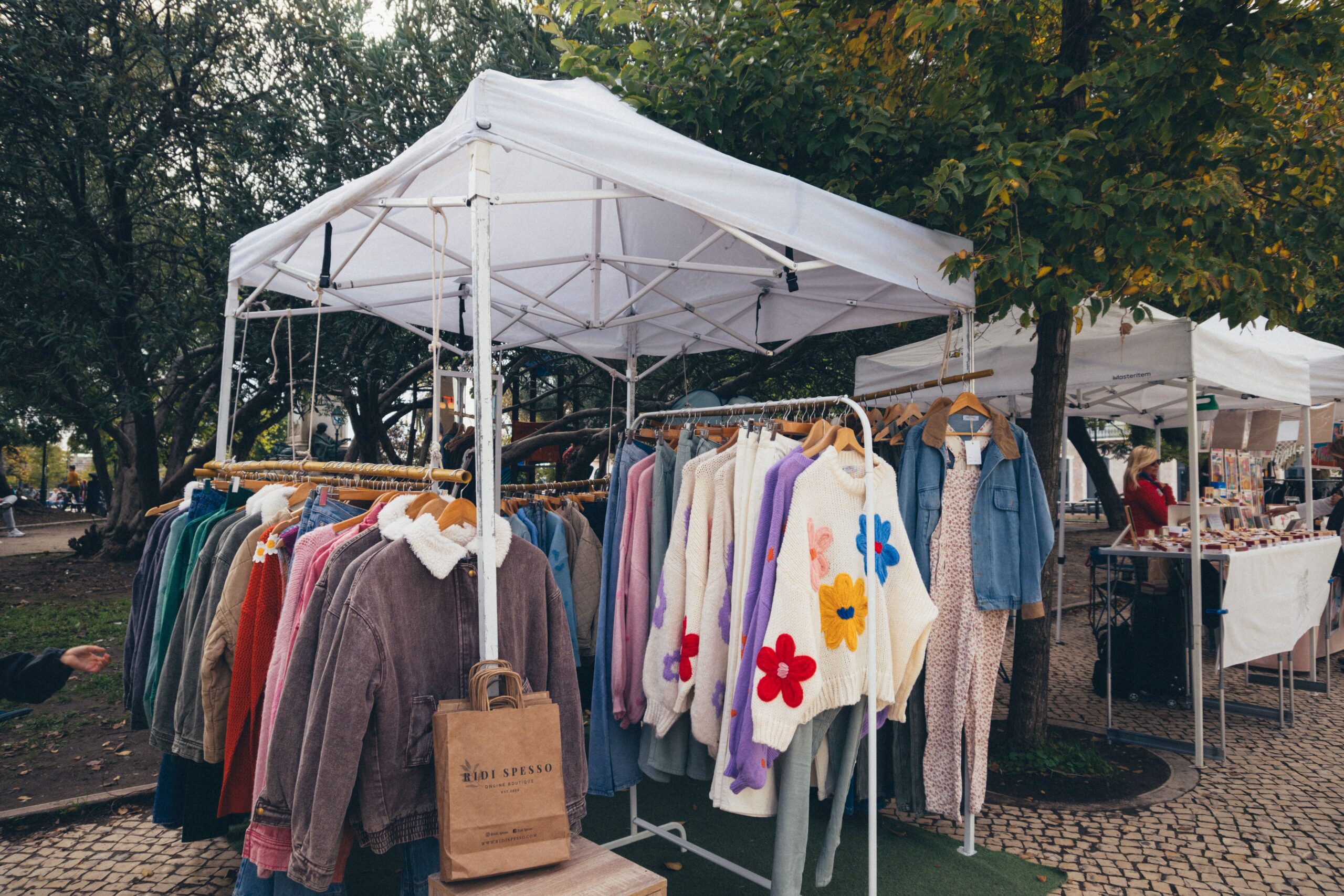
The fashion industry is increasingly recognizing the importance of sustainability, and streetwear is becoming part of this movement. As consumers become more conscious of environmental issues and ethical production, many clothing brands are exploring ways to reduce waste, use responsible materials, and improve working conditions.
Eco-friendly streetwear combines the creativity and individuality of urban fashion with practices that aim to reduce environmental harm. From organic cotton and recycled fabrics to upcycling and fair labor practices, sustainable brands are finding new ways to create fashionable clothing while considering their impact on people and the planet.
Whether you are a streetwear enthusiast or planning to start your own clothing brand, understanding these practices can help you make more responsible fashion choices.
Here are six important ways eco-conscious streetwear brands are contributing to a more sustainable fashion industry.
1. Sustainable Materials
One of the most important steps toward sustainable fashion is choosing materials that require fewer resources, reduce pollution, or make use of existing waste.
Organic cotton. Organic cotton is grown without synthetic pesticides and fertilizers prohibited under organic farming standards. Its production can reduce certain chemical inputs and support more responsible agricultural practices.
Brands such as Patagonia and Outerknown have incorporated organic cotton into selected products. These materials are commonly used for T-shirts, hoodies, sweatshirts, and other everyday clothing.
For streetwear brands, organic cotton offers an alternative to conventional cotton while maintaining the comfort and versatility customers expect.
Recycled fabrics. Recycled materials help reduce dependence on newly produced resources by turning existing materials into new textiles.
Some fashion companies use recycled polyester made from materials such as discarded plastic bottles. Others incorporate recycled cotton, regenerated nylon, and recovered textile fibers into their collections.
Brands such as Reformation and EILEEN FISHER have explored recycled materials as part of their sustainability efforts. These examples demonstrate how fashion businesses can give existing resources another use instead of relying entirely on virgin materials.
However, recycled materials are not automatically impact-free. Their environmental benefits depend on how they are processed, transported, and used. Brands should also consider fabric durability and the possibility of microfiber pollution.
2. Fair Trade and Ethical Production Practices
Sustainable fashion is not only about protecting the environment. It also involves treating the people who make clothing fairly and providing safe working conditions throughout the supply chain.
Fair wages and safe working conditions. Ethical fashion brands aim to ensure that garment workers receive fair compensation and work in safe environments. This includes supporting reasonable working hours, workplace safety, and responsible labor practices.
Brands such as People Tree have built their identities around fair trade and ethical production. Thought Clothing has also emphasized responsible materials and more ethical approaches to manufacturing.
For streetwear businesses, choosing suppliers that respect workers’ rights is an important step toward responsible production.
Transparency in the supply chain. Transparency means providing customers with information about where products are made, what materials are used, and how garments are manufactured.
Brands such as Everlane and Nudie Jeans have shared information about aspects of their production processes and supply chains.
This allows customers to make more informed purchasing decisions and encourages businesses to take responsibility for their manufacturing practices.
Streetwear brands can improve transparency by identifying their production partners, explaining material choices, and communicating what they are doing to address labor and environmental concerns.
3. Zero-Waste Initiatives
The fashion industry generates significant amounts of textile waste during manufacturing and after clothing is discarded. Zero-waste initiatives aim to prevent usable materials from becoming waste.
Upcycling. Upcycling involves transforming discarded materials or unwanted clothing into new products with added value.
For example, unused fabric scraps can become patchwork hoodies, old denim can be redesigned into jackets, and damaged garments can be transformed into accessories.
Designers and brands such as Stella McCartney and tonlé have explored ways to use existing materials and textile waste in fashion production.
For streetwear labels, upcycling offers an opportunity to create distinctive pieces. Because many upcycled products use different combinations of fabrics and materials, individual garments can have unique designs.
Circular fashion. Circular fashion focuses on keeping clothing and materials in use for as long as possible. Instead of following a traditional system in which products are made, purchased, and eventually discarded, circular fashion encourages reuse, repair, resale, and recycling.
EILEEN FISHER Renew is an example of a brand initiative that collects and resells previously owned garments. Zero Waste Daniel is known for incorporating textile waste into new designs.
Streetwear brands can adopt similar practices by offering repair services, resale programs, clothing take-back initiatives, and collections made from recovered materials.
The goal is to extend the life of clothing and reduce the amount of textile waste sent to landfills.
4. Carbon Footprint Reduction
Producing and transporting clothing requires energy and resources. Sustainable fashion brands are exploring ways to reduce greenhouse gas emissions throughout their operations.
Carbon reduction and offsetting. Some brands measure the emissions generated by manufacturing, transportation, packaging, and other business activities. They then work to reduce these emissions through more efficient production, renewable energy, and improved logistics.
Carbon offsetting involves supporting projects intended to compensate for emissions, such as reforestation and renewable energy initiatives. Brands such as Allbirds and Veja have incorporated carbon measurement and reduction efforts into their sustainability approaches.
However, carbon offsetting should not replace direct efforts to reduce emissions. Businesses should prioritize lowering their environmental impact before relying on offset programs.
Sustainable packaging. Packaging is another area where streetwear brands can reduce waste. Instead of relying on excessive plastic wrapping, businesses can use recycled cardboard, paper mailers, reusable bags, and appropriately certified compostable materials.
Brands such as PANGAIA and Reformation have explored alternative packaging materials as part of their environmental initiatives.
Streetwear businesses can also reduce packaging by using appropriately sized mailers and avoiding unnecessary tags, inserts, and decorative materials.
5. Community Engagement and Social Responsibility
Sustainable streetwear is also about creating positive relationships with the people and communities involved in the fashion industry. Brands can use their influence to support workers, local communities, and environmental causes.
Supporting communities and workers. Some fashion brands work directly with artisans, independent producers, and local communities. These partnerships can create employment opportunities, preserve traditional skills, and support fair compensation.
Known Supply and ABLE are examples of businesses that emphasize social impact and ethical production.
Streetwear brands can adopt similar approaches by working with local artists, supporting small manufacturers, and providing fair opportunities for creative professionals.
For example, a clothing brand could collaborate with local illustrators to create graphic T-shirts while properly compensating them for their work.
Promoting environmental awareness. Fashion brands can also use their platforms to encourage responsible consumer behavior and raise awareness about environmental concerns.
Outerknown and tentree have incorporated environmental responsibility into their brand identities and advocacy efforts. Their approaches demonstrate how businesses can connect their products with broader sustainability goals.
Streetwear brands can support environmental campaigns, organize community cleanups, promote clothing repair, or educate customers about responsible consumption.
These activities help build a community that values more than fashion trends and encourages customers to participate in positive change.
6. Collaborations for Sustainable Innovation
Collaboration allows fashion brands to combine resources, knowledge, and creative ideas to develop more sustainable products and practices.
Partnerships with environmental organizations and other brands. Fashion companies can work with nonprofit organizations, environmental groups, material suppliers, and other businesses to address industry challenges.
For example, Patagonia has collaborated with environmental organizations and supported initiatives focused on conservation and responsible production. Adidas has also partnered with other organizations and companies to explore more sustainable materials and manufacturing approaches.
Streetwear brands can benefit from similar partnerships by working with recycling organizations, local environmental groups, and responsible material suppliers.
These collaborations can help businesses develop better production methods and reach audiences who share their environmental values.
Innovation in sustainable design. New materials and design techniques are creating opportunities for fashion brands to reduce their environmental impact.
Companies such as Reebok and Stella McCartney have explored alternative materials and innovative approaches to product development.
For streetwear brands, innovation may involve experimenting with recycled fabrics, plant-based materials, low-impact dyes, and designs that are easier to repair or recycle.
Designers can also create versatile garments that remain fashionable beyond a single season. Producing durable clothing encourages customers to keep and use their purchases for longer.
Sustainable innovation demonstrates that environmental responsibility and creative fashion design can work together.
Conclusion
Eco-friendly streetwear demonstrates that fashion can combine creativity, cultural expression, and environmental responsibility. By choosing sustainable materials, supporting ethical production, reducing waste, and engaging with communities, clothing brands can contribute to positive changes in the fashion industry.
However, sustainability requires more than using recycled fabrics or promoting environmental campaigns. It involves making responsible decisions throughout the entire production process, from sourcing materials to manufacturing, packaging, and delivering products.
For emerging streetwear brands, adopting sustainable practices can begin with small but meaningful steps. Choosing reliable suppliers, producing durable garments, reducing unnecessary packaging, and being transparent with customers can help build a more responsible business.
Key Takeaways:
- Sustainable streetwear brands use materials such as organic cotton and recycled fabrics to reduce their environmental impact.
- Ethical production focuses on fair wages, safe working conditions, and supply chain transparency.
- Upcycling and circular fashion help extend the life of clothing and reduce textile waste.
- Carbon reduction and responsible packaging can make fashion businesses more environmentally conscious.
- Community engagement supports workers, local artists, and environmental causes.
- Collaborations and material innovations help develop more responsible approaches to streetwear production.
Explore sustainable fashion further with the Parsons Streetwear Essentials online course.