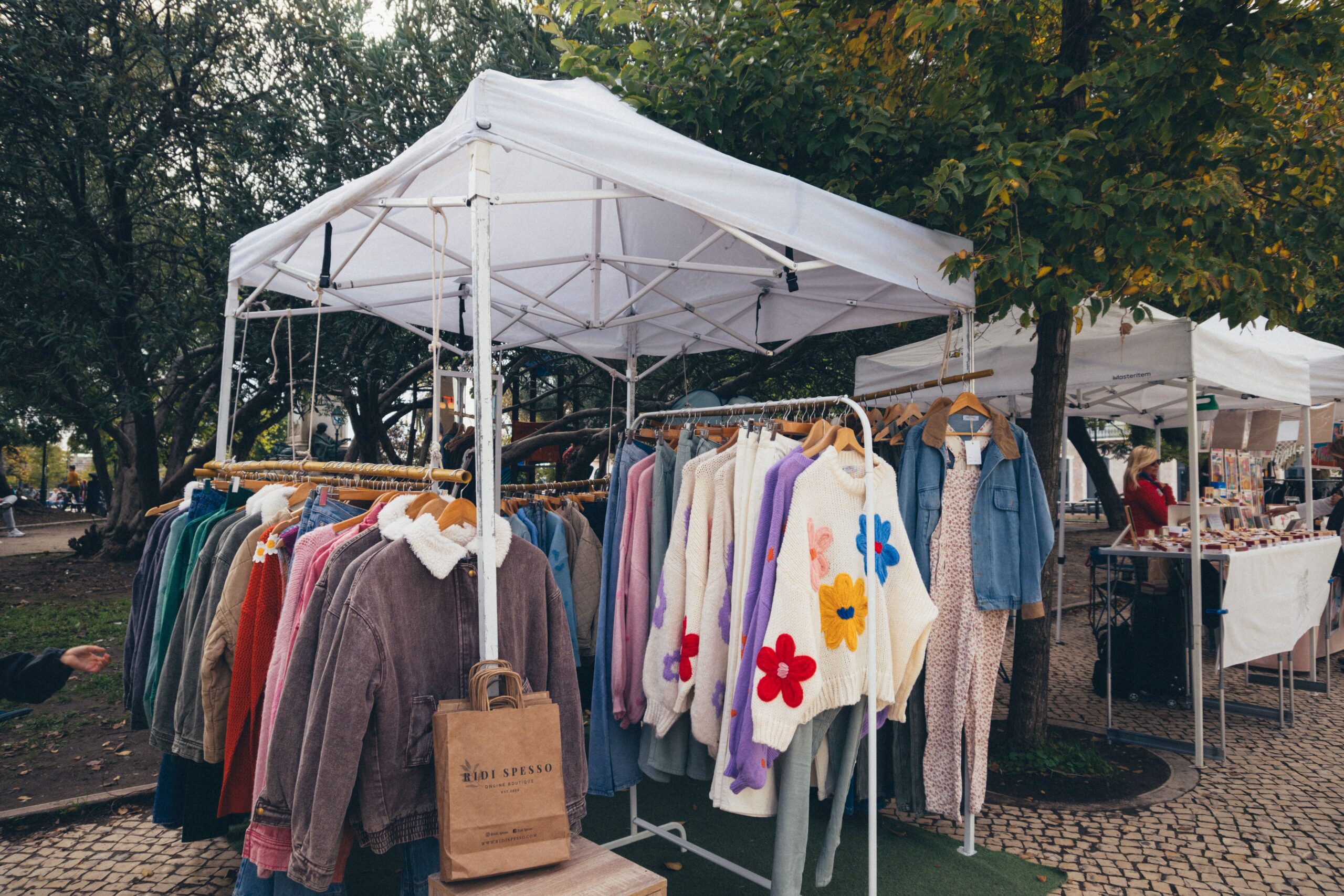
Streetwear has grown from a style associated with urban youth culture into one of the most influential movements in the global fashion industry. What started with skateboarding, hip-hop, and street art has developed into a fashion category that combines comfort, creativity, individuality, and cultural expression.
Today, streetwear is more than oversized shirts, sneakers, and hoodies. It represents a lifestyle shaped by music, art, sports, social movements, and the communities that influence fashion trends.
Whether you are interested in streetwear as a fashion enthusiast or planning to build your own clothing brand, understanding its defining elements can help you recognize what makes this style unique.
Here are six key elements that define streetwear and distinguish it from other fashion styles.
1. Roots in Subculture
Streetwear developed from different urban subcultures that used clothing as a way to express identity, creativity, and belonging. These cultural influences continue to shape its designs and overall attitude.
Urban influences. Skateboarding, hip-hop, surfing, punk music, and graffiti art played important roles in the development of streetwear. Each culture contributed its own style, values, and visual elements.
For example, skateboarding influenced the popularity of loose-fitting pants, graphic shirts, and durable sneakers. Hip-hop introduced oversized clothing, bold accessories, sportswear, and statement designs. Graffiti and street art inspired colorful graphics, lettering, and creative prints.
These influences helped establish streetwear as a style connected to real communities rather than traditional fashion institutions.
The DIY aesthetic. Do-it-yourself culture is another important part of streetwear. Early enthusiasts often customized ordinary clothing through hand-painted graphics, patches, embroidery, screen printing, and other creative techniques.
This approach encouraged people to create clothing that reflected their personalities rather than simply following established fashion trends.
Today, independent designers continue this tradition through customized garments, limited-edition collections, handmade details, and experimental designs. The DIY approach also gives emerging clothing brands opportunities to develop original products without relying on large fashion companies.
2. Casual and Comfortable Clothing
Comfort is one of the most recognizable characteristics of streetwear. Unlike styles that prioritize formal tailoring or structured silhouettes, streetwear often focuses on relaxed clothing that can be worn in everyday situations.
Relaxed silhouettes. Streetwear commonly features oversized shirts, loose hoodies, baggy jeans, cargo pants, and relaxed-fit jackets. These pieces provide freedom of movement while creating a distinctive urban appearance.
Popular streetwear essentials include:
- Oversized graphic T-shirts.
- Hoodies and sweatshirts.
- Baggy jeans and cargo pants.
- Track jackets and windbreakers.
- Relaxed-fit shorts.
- Sneakers and casual footwear.
Although oversized clothing is popular, streetwear is not limited to loose-fitting garments. Some collections combine fitted shirts, cropped tops, straight-leg trousers, and other silhouettes to create different looks.
The influence of athleisure. Athleisure combines athletic clothing with everyday fashion. It has become an important influence on streetwear because it brings together comfort, functionality, and modern styling.
Joggers, track pants, sports jerseys, performance fabrics, and athletic sneakers are commonly incorporated into streetwear outfits.
This combination allows people to create outfits that are practical for daily activities while maintaining a fashionable appearance. It also demonstrates how streetwear continues to adapt to changing lifestyles and consumer preferences.
3. Bold Graphics and Creative Designs
Visual elements are central to streetwear. Graphics, typography, logos, and illustrations help clothing brands communicate their identities and make their products recognizable.
Bold graphics and typography. Graphic T-shirts and hoodies are among the most recognizable streetwear pieces. They often feature large logos, artistic illustrations, slogans, symbols, and creative typography.
Some designs are inspired by music, sports, pop culture, political messages, or social issues. Others focus on abstract artwork, original characters, and experimental visual concepts.
For clothing brands, graphic design provides an opportunity to create distinctive products. A well-designed graphic can communicate a brand’s personality and make a simple garment more memorable.
Brand collaborations. Collaborations are another defining feature of streetwear. Clothing brands frequently work with artists, musicians, designers, athletes, and other companies to create special collections.
These partnerships combine different creative influences and introduce products to new audiences. For example, an artist may create original illustrations for a clothing collection, or a sneaker company may work with a streetwear label to release a limited-edition shoe.
Collaborations often attract attention because they offer designs that customers cannot easily find in regular collections. They also strengthen the connection between streetwear, art, entertainment, and popular culture.
4. Streetwear Icons and Sneaker Culture
Streetwear has developed a strong identity through influential brands, designers, and footwear. Sneakers, in particular, have become essential to the culture.
The importance of sneaker culture. Sneakers are more than practical footwear in streetwear. They are also fashion statements, collectibles, and symbols of personal style.
Limited-edition releases, retro designs, athlete partnerships, and collaborations between sneaker companies and fashion labels have helped make sneakers highly influential.
Some sneaker enthusiasts follow release schedules, collect rare models, and participate in resale markets. Others simply enjoy using sneakers to complete everyday outfits.
Popular sneaker styles include classic basketball shoes, skateboarding shoes, running-inspired sneakers, and minimalist designs. Their versatility makes them suitable for different streetwear looks.
Influential streetwear brands. Several brands have helped shape the development and global popularity of streetwear.
- Supreme: Known for its skateboarding roots, recognizable branding, and limited-edition releases.
- Off-White: Founded by Virgil Abloh, the brand became known for combining streetwear influences with luxury fashion and experimental design.
- BAPE: Also known as A Bathing Ape, the Japanese streetwear brand is recognized for its distinctive camouflage patterns, graphic designs, and collaborations.
- Stüssy: One of the early influential streetwear labels, associated with surf, skateboarding, and urban culture.
These brands demonstrate how streetwear can grow from independent cultural movements into internationally recognized fashion businesses.
5. Inclusivity and Diversity
Streetwear has challenged many traditional fashion expectations by providing space for different identities, communities, and forms of self-expression.
Breaking traditional fashion barriers. Streetwear often emphasizes personal style rather than strict rules about what people should wear. Its designs frequently include unisex clothing, relaxed silhouettes, and collections that appeal to different age groups and gender identities.
This flexibility allows customers to choose clothing based on their preferences rather than traditional fashion categories.
Streetwear brands also draw inspiration from different cultural backgrounds, music scenes, and communities. However, responsible representation is important. Brands should recognize the cultural origins of their designs and avoid using cultural symbols without understanding their meaning.
The influence of street style on mainstream fashion. Street style refers to the fashion choices people wear in everyday public settings. It includes outfits influenced by local communities, personal creativity, music, sports, and popular culture.
Streetwear has helped bring these everyday styles into mainstream fashion. Oversized clothing, sneakers, graphic prints, and sportswear-inspired outfits now appear in collections from luxury designers and commercial retailers.
Fashion designers also look to street style for inspiration, demonstrating that fashion trends do not come only from runways. They can also develop from the creativity of ordinary people and local communities.
6. Community and Cultural Impact
Streetwear is not just about the clothes people wear. It is also about the communities, experiences, and cultural influences connected to the style.
A strong streetwear community. Streetwear creates opportunities for people with similar interests to connect through fashion, music, art, and sneaker culture.
Pop-up shops, product launches, sneaker conventions, fashion events, and online communities allow enthusiasts to exchange ideas, discover new brands, and share their collections.
Social media has made these communities even more accessible. Customers can follow independent designers, discuss new releases, share outfit inspiration, and discover emerging streetwear trends from different parts of the world.
For clothing brands, building a community can be just as important as selling products. Customers who identify with a brand’s values and creative direction may become loyal supporters.
A reflection of culture and society. Streetwear often reflects what is happening in society. Its designs may communicate opinions about identity, social issues, music, politics, and cultural movements.
Graphic prints and slogans can serve as forms of social commentary, while collaborations with artists and musicians help introduce different perspectives.
Because streetwear is closely connected to everyday culture, it continues to change as new generations, technologies, and creative movements influence the way people dress.
Conclusion
Streetwear is defined by its connection to culture, creativity, comfort, and individuality. Its roots in skateboarding, hip-hop, and street art continue to influence the designs, brands, and communities that shape the movement today.
From oversized clothing and graphic prints to sneaker culture and exclusive collaborations, streetwear offers countless ways for people to express themselves. Its influence on mainstream and luxury fashion also demonstrates its importance in the modern fashion industry.
Ultimately, streetwear is more than a particular way of dressing. It is a cultural movement that reflects the identities, interests, and creativity of the people who wear it.
Key Takeaways:
- Roots and Influence: Streetwear originates from urban subcultures and embraces DIY aesthetics, reflecting the style of urban youth.
- Design Elements: Comfortable silhouettes, bold graphics, and brand collaborations are key features of streetwear fashion.
- Cultural Impact: Streetwear promotes inclusivity, diversity, and community, influencing mainstream fashion trends.
Enhance your knowledge of streetwear with the Parsons Streetwear Essentials online course.