Starting a fashion business requires more than creativity and a passion for clothing. It also involves careful planning, financial management, market research, and a clear understanding of your customers. Whether you want to launch a clothing line, open a fashion boutique, or build an online apparel store, having a solid business plan can help turn your idea into a sustainable business.
A fashion business plan serves as a roadmap for developing your brand, managing operations, attracting customers, and reaching your financial goals. It helps you identify what you want to achieve, how you will achieve it, and what resources you need along the way.
This guide explains the essential steps to creating a comprehensive fashion business plan, from defining your brand identity to preparing financial projections and managing potential risks.
1. Define Your Brand Identity
Your brand identity is the foundation of your fashion business. It communicates what your company represents, who your products are intended for, and why customers should choose your brand over competitors.
Develop your vision and mission. Your vision statement describes what you want your fashion business to become in the future. It reflects your long-term goals and the impact you hope to make in the industry.
Your mission statement explains what your business does, who it serves, and how it delivers value to customers. It should communicate your brand’s purpose and the principles that guide your decisions.
For example, a clothing brand might have a vision of becoming a recognized name in sustainable everyday fashion. Its mission could focus on creating comfortable, well-made clothing using responsibly sourced materials.
Keep both statements clear and realistic. They should guide your product development, marketing, customer service, and business decisions.
Identify your target market. Understanding your customers is essential because not every fashion product appeals to the same audience. Define the people most likely to purchase your products by studying their age, income, location, lifestyle, interests, and shopping habits.
You should also consider psychographic factors, such as personal values, fashion preferences, motivations, and attitudes toward brands.
For example, a streetwear brand may target young adults who enjoy urban fashion, music, and creative self-expression. A professional clothing brand may focus on working adults who value comfort, quality, and versatile designs.
Create a customer profile that represents your ideal buyer. This will help you make better decisions about product styles, pricing, advertising, and sales channels.
2. Conduct Market Research and Analysis
Market research helps you understand the fashion industry and determine whether there is demand for your products. It also allows you to identify competitors, recognize opportunities, and make decisions based on actual market information.
Study the fashion industry. Research the market segment you want to enter, such as streetwear, sportswear, casual clothing, luxury fashion, children’s apparel, or sustainable fashion.
Examine current trends, consumer preferences, purchasing behavior, and changes in retail. Pay attention to factors such as online shopping habits, price sensitivity, popular styles, and customer expectations regarding product quality.
Look at industry reports, fashion publications, retail websites, social media discussions, and customer reviews. These sources can help you understand what consumers want and where your business may fit into the market.
Analyze your competitors. Identify brands that sell products similar to yours. Study their product offerings, prices, visual identity, promotional strategies, customer service, and distribution channels.
Look at what they do well and where customers express dissatisfaction. For example, you may discover that competing brands offer attractive designs but have limited size options or inconsistent product quality.
Use these observations to identify ways your business can provide something different or improve the customer experience.
Conduct a SWOT analysis. A SWOT analysis helps you evaluate your business from four perspectives:
- Strengths: Internal advantages such as original designs, strong branding, specialized skills, or access to reliable suppliers.
- Weaknesses: Internal limitations such as a small budget, limited production capacity, or lack of industry experience.
- Opportunities: External conditions that may support growth, such as an underserved customer group, an emerging fashion trend, or increasing demand for a particular product.
- Threats: External challenges such as strong competition, rising material costs, changing consumer preferences, or supply chain disruptions.
After identifying these factors, develop strategies to use your strengths, address weaknesses, take advantage of opportunities, and prepare for threats.
3. Plan Product Development and Your Fashion Line
Your products are at the center of your fashion business. A clear product development plan helps ensure that your collection reflects your brand identity, meets customer expectations, and can be produced within your budget.
Define your product range. Decide what types of products you will offer. You may focus on a specific category, such as T-shirts, hoodies, jeans, dresses, activewear, or accessories. You can also develop a wider collection that includes several related product categories.
For a new business, starting with a focused product range is often more manageable than launching too many styles at once. It allows you to test customer demand, control inventory, and improve your products based on feedback.
Identify the main features of each product, including fabric, fit, colors, sizes, design details, and quality standards. Make sure every item supports the overall identity of your brand.
Establish your pricing strategy. Your prices should cover production and operating costs while remaining reasonable for your target customers.
Consider the cost of fabric, trims, labor, packaging, shipping, marketing, and other expenses involved in selling each item. You should also examine competitor prices and determine how customers perceive the value of your products.
For example, a premium clothing brand may charge higher prices because of its materials, craftsmanship, design, or brand positioning. A budget-friendly brand may focus on affordable products and efficient production.
Calculate your product costs carefully. Avoid setting prices based only on what competitors charge because their expenses and profit requirements may be different from yours.
Create a production plan. Decide how your products will be made and who will be responsible for each stage. Your options may include producing garments yourself, working with a local tailor or small workshop, or partnering with a clothing manufacturer.
Research potential suppliers and manufacturers. Compare their prices, minimum order quantities, production timelines, quality standards, and communication practices.
Before approving bulk production, request samples and inspect the materials, fit, stitching, finishing, and overall quality. You may also need to prepare technical specifications or tech packs to communicate your design requirements.
Establish quality control procedures. Define the standards each product must meet before it is sold. Inspect samples and finished garments for measurement accuracy, fabric defects, stitching problems, color differences, and incorrect labels.
Consistent quality helps build customer trust and reduces returns, complaints, and unnecessary production costs.
4. Develop Your Marketing and Sales Strategy
A good product needs an effective strategy to reach customers. Your marketing and sales plan explains how you will introduce your brand, attract buyers, communicate your value, and generate revenue.
Create your brand messaging. Develop a clear brand story that explains why your business exists and what makes it different. Your story may focus on your inspiration, design philosophy, craftsmanship, community, or commitment to sustainability.
Establish a consistent visual identity that includes your logo, colors, typography, photography style, packaging, and overall presentation.
Your brand message should be consistent across your website, social media accounts, advertisements, product descriptions, and other customer communication channels.
Choose your marketing channels. Identify the platforms and methods you will use to promote your products. Social media can be especially useful for new fashion brands because it allows businesses to share product photos, videos, styling ideas, and customer stories.
You may use Instagram, TikTok, Pinterest, Facebook, or other platforms depending on where your target audience spends time.
Other marketing strategies include:
- Content marketing: Publish styling guides, fashion tips, behind-the-scenes videos, and product stories.
- Influencer partnerships: Collaborate with creators whose audiences match your target customers.
- Email marketing: Send product announcements, promotions, and updates to interested subscribers.
- Paid advertising: Use targeted online advertisements to introduce your products to potential buyers.
- Public relations: Connect with fashion publications, bloggers, and relevant media outlets to increase brand visibility.
You do not need to use every marketing channel immediately. Start with the platforms most relevant to your audience and budget, then expand as your business grows.
Select your sales channels. Decide where customers will purchase your products. An e-commerce website gives you control over your online store and customer experience. Marketplaces can provide access to existing shoppers, while physical stores and pop-up shops allow customers to see and try products in person.
You may also explore partnerships with boutiques and independent retailers.
Consider the advantages and costs of each option. For example, an online store may require expenses for website development, payment processing, shipping, and digital advertising. A physical store may involve rent, utilities, staffing, and inventory management.
Choose sales channels that match your products, target customers, and available resources.
5. Prepare Financial Plans and Projections
Financial planning helps you understand how much money your fashion business needs and whether it can generate enough revenue to remain sustainable. A clear financial plan is also important when presenting your business idea to lenders or potential investors.
Calculate your startup costs. List the expenses required to launch your business. These may include:
- Business registration and licensing fees.
- Product design and sample development.
- Fabric, trims, and manufacturing costs.
- Initial inventory.
- Branding and packaging.
- Website development and e-commerce tools.
- Marketing and advertising.
- Equipment, software, and office supplies.
- Shipping and storage.
Separate one-time expenses from recurring costs. This will help you estimate how much capital you need before launching.
Prepare an operating budget. Your operating budget should include the regular expenses needed to keep your business running. These may involve rent, salaries, utilities, software subscriptions, packaging, shipping, marketing, and professional services.
Monitor these expenses regularly. Small costs can accumulate and affect your cash flow if they are not managed carefully.
Create revenue and profit projections. Estimate how many products you expect to sell and how much revenue they may generate over a specific period.
For example, if you expect to sell 100 T-shirts at $30 each, your projected sales revenue would be $3,000. However, this amount is not your profit because you still need to deduct the costs of producing, marketing, storing, and delivering the products.
Calculate your gross profit by subtracting the cost of goods sold from revenue. Then account for operating expenses to estimate your net profit.
It is also useful to prepare different financial scenarios. A conservative forecast can show what happens if sales are lower than expected, while an optimistic forecast can estimate results if demand is stronger.
Develop a funding strategy. Determine how you will finance your business. Common options include:
- Personal savings: Using your own money gives you control but may limit the amount available for expansion.
- Business loans: Loans provide access to capital but require repayment, usually with interest.
- Investors: Investors may provide funding in exchange for ownership or another agreed financial arrangement.
- Crowdfunding: A campaign can help raise money from people who support your product or business idea.
- Business grants: Some organizations and government programs offer financial assistance to eligible small businesses.
Choose a funding option that matches your financial needs and willingness to take on debt or share ownership.
6. Manage Risks and Prepare Contingency Plans
Every fashion business faces risks. Changes in consumer preferences, production delays, rising costs, and unexpected financial problems can affect operations. Identifying these challenges early can help you prepare appropriate solutions.
Identify potential business risks. Common risks in the fashion industry include:
- Supply chain disruptions: Delays in fabric deliveries or manufacturing can affect product launches.
- Inventory problems: Producing too many items may lead to unsold stock, while producing too few may result in missed sales.
- Market changes: A design or trend that is popular today may lose demand later.
- Financial difficulties: Low sales, unexpected expenses, or poor cash flow can affect daily operations.
- Quality issues: Defective products can result in customer complaints, returns, and damage to your brand reputation.
Evaluate how likely each risk is and how seriously it could affect your business.
Develop contingency plans. A contingency plan explains what you will do if a problem occurs. For example, if your main manufacturer experiences delays, having an alternative supplier may help reduce production interruptions.
If a product sells more slowly than expected, you may adjust your marketing strategy, offer a carefully planned promotion, or reduce future production quantities.
Maintaining emergency funds, monitoring inventory, and reviewing expenses can also help protect your business from unexpected challenges.
Protect your brand legally. Research the legal requirements for operating a fashion business in your chosen market. In the United States, these may include business registration, tax obligations, local permits, and applicable consumer protection and product labeling requirements.
Consider protecting your brand name and logo through trademark registration. Make sure your designs, graphics, photographs, and other creative materials do not improperly use another person’s intellectual property.
If you work with manufacturers, suppliers, designers, or business partners, use written agreements that clearly explain responsibilities, payment terms, production requirements, and ownership of designs.
Seek advice from qualified legal or accounting professionals when necessary. Requirements vary depending on your business structure, location, and products.
7. Create an Action Plan and Set Business Goals
A business plan becomes more useful when it includes specific actions and measurable goals. Instead of simply stating that you want your brand to become successful, identify the steps needed to reach that goal.
Set short-term and long-term objectives. Short-term goals may include completing your first collection, launching an online store, reaching your first 100 customers, or establishing relationships with manufacturers.
Long-term goals may involve expanding your product range, entering new markets, opening a physical store, or increasing annual revenue.
Make your goals specific and measurable. For example, instead of writing “increase online sales,” set a target such as increasing monthly sales by 15% within six months.
Establish a timeline. Break your business launch into manageable stages. Your timeline may include market research, product development, sample approval, production, branding, website preparation, marketing, and launch.
Assign deadlines and responsibilities to each activity. This will help you monitor progress and identify tasks that need more attention.
Review and update your business plan. A fashion business plan should not remain unchanged after launch. Review your sales results, expenses, customer feedback, inventory, and marketing performance regularly.
If a product category performs better than expected, you may consider expanding it. If a marketing channel does not generate enough sales, you may need to adjust your approach.
Updating your plan allows your business to respond to real market conditions instead of relying only on your original assumptions.
Conclusion
Creating a fashion business plan is an important step toward building a successful clothing brand. It provides a clear direction for your business and helps you make informed decisions about branding, product development, marketing, production, and finances.
A strong plan begins with a clear brand identity and a good understanding of your target market. It also includes realistic financial projections, effective sales strategies, reliable production arrangements, and practical ways to manage risks.
Remember that a business plan is not simply a document prepared before launching. It is a working guide that should grow and change as your business develops.
With careful planning, consistent evaluation, and a clear understanding of your customers, you can turn your fashion ideas into a business with the potential for long-term growth.
Key Takeaways:
- Define your brand identity, mission, vision, and target audience before developing your fashion business.
- Conduct market research to understand industry trends, customer preferences, competitors, and business opportunities.
- Plan your product range, pricing, production process, materials, and quality standards carefully.
- Develop a marketing strategy that communicates your brand story and reaches your intended customers.
- Choose sales channels that match your products, audience, and available resources.
- Prepare realistic startup budgets, operating expenses, revenue projections, and funding plans.
- Identify possible business risks and create contingency plans to protect your operations.
- Set measurable goals, establish a launch timeline, and regularly update your business plan as your brand grows.
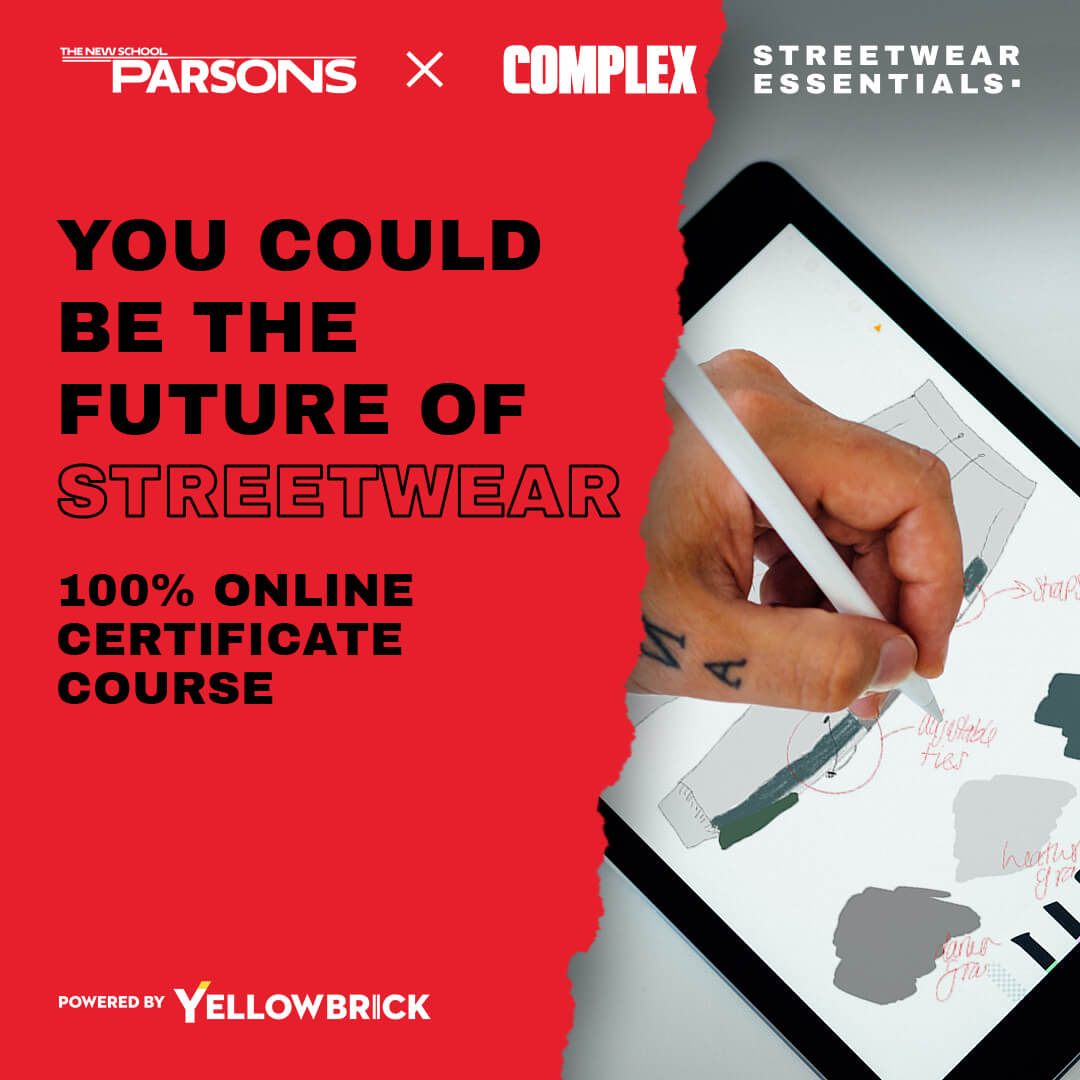
Enhance your fashion business skills with the Parsons Streetwear Essentials online course.