Streetwear has grown from underground subcultures into a major influence on the global fashion industry. What began as a style connected to skateboarding, hip-hop, graffiti, and urban communities has developed into a diverse fashion movement embraced by people around the world.
Designing streetwear involves more than putting graphics on T-shirts or creating oversized hoodies. It requires an understanding of culture, creativity, fabric selection, visual design, and the details that make a clothing piece unique. Successful streetwear combines personal expression with comfort, functionality, and a recognizable identity.
Whether you are an aspiring fashion designer or planning to launch your own clothing brand, learning the fundamentals of streetwear design can help you create original pieces that connect with your intended audience.
1. Understand Streetwear Culture
Before creating streetwear designs, take time to understand the culture behind the style. Streetwear is closely connected to music, art, sports, youth movements, and everyday urban experiences. Its identity comes from the communities that influence it and the people who use clothing as a form of self-expression.
Explore cultural influences. Study the relationship between streetwear and different cultural movements. Hip-hop, skateboarding, punk music, graffiti, basketball, and street art have all contributed to the development of street fashion.
Pay attention to how these influences appear in clothing. For example, skate culture helped popularize relaxed silhouettes, durable fabrics, and practical footwear. Hip-hop influenced oversized clothing, statement accessories, bold graphics, and distinctive branding.
You can also explore contemporary music, independent art, photography, and youth culture. These sources can help you discover new ideas and understand how streetwear communicates identity and attitude.
Study streetwear subcultures. Streetwear is not one single style. It includes different communities and aesthetics, each with its own visual language.
Skate-inspired streetwear often features graphic T-shirts, loose pants, hoodies, and comfortable footwear. Hip-hop-inspired styles may include oversized silhouettes, statement logos, and bold color combinations. Graffiti-inspired designs often use expressive lettering, striking colors, and artistic illustrations.
Study these influences without simply copying them. Understand their history and meaning, then use what you learn to develop an original design direction.
2. Develop Your Design Aesthetic
Your design aesthetic determines the overall look and personality of your streetwear collection. It helps customers recognize your work and understand what your brand represents.
Define your style. Start by identifying the visual direction you want to explore. You may prefer minimalistic designs, oversized silhouettes, vintage-inspired graphics, bold typography, experimental shapes, or a combination of different styles.
Consider the message you want your clothing to communicate. Some streetwear brands focus on simplicity and everyday wear, while others use fashion to express social ideas, artistic concepts, or cultural identity.
Create a consistent direction rather than combining unrelated elements without a clear purpose. Your designs should feel connected even when individual pieces have different graphics or silhouettes.
Create mood boards. A mood board is a collection of images, colors, textures, materials, and visual references that communicate the creative direction of a collection.
Include photographs, artwork, fabric samples, typography references, street photography, and color combinations that reflect your intended aesthetic. You can create physical mood boards or use digital tools such as Pinterest and Canva.
For example, a collection inspired by skate culture might include concrete textures, worn denim, vintage photographs, muted colors, and bold graphic lettering. A futuristic streetwear collection might use technical fabrics, reflective details, geometric shapes, and a more experimental color palette.
Use your mood board as a reference throughout the design process. It will help you maintain a consistent visual identity and make decisions about colors, fabrics, graphics, and garment details.
3. Focus on Fabric Selection
Fabric selection is essential because it affects the comfort, appearance, durability, and overall quality of streetwear. A design may look attractive on paper, but the wrong material can make the finished garment uncomfortable or unsuitable for everyday use.
Choose quality materials. Cotton is widely used in streetwear because it is comfortable, breathable, and versatile. It works well for T-shirts, sweatshirts, and other everyday garments.
Denim is another popular option, especially for jeans, jackets, and workwear-inspired pieces. Fleece is commonly used for hoodies and sweatpants because of its softness and warmth.
You can also explore technical fabrics and blended materials for designs that require stretch, moisture management, weather resistance, or additional durability.
When choosing fabric, consider its weight, texture, stretch, drape, shrinkage, and care requirements. For example, a heavyweight cotton fabric may work well for an oversized T-shirt with a structured appearance, while a lighter material may be better for a relaxed summer garment.
Experiment with textures and finishes. Surface treatments can give streetwear pieces a distinctive appearance. Distressing, acid washing, garment dyeing, embroidery, and screen printing are examples of techniques that can add character to clothing.
Distressed denim can create a worn-in look, while garment dyeing can produce unique color variations. Screen printing can add bold graphics, and embroidery can provide texture and a more detailed finish.
Test these treatments on fabric samples before applying them to finished garments. This helps you evaluate the appearance, durability, and production cost of each technique.
4. Embrace Graphic Elements
Graphics are among the most recognizable features of streetwear. They can transform simple garments into statement pieces and help communicate the identity of a clothing brand.
Develop original graphic designs. Experiment with typography, illustrations, symbols, logos, photographs, and abstract compositions. Consider how each graphic will look on different garment types, including T-shirts, hoodies, jackets, and pants.
Think about placement and proportion. A small logo on the chest can create a subtle design, while a large back print can become the main visual feature of a garment.
Choose colors and lettering styles that match your brand’s identity. Make sure the graphics are readable when necessary and visually balanced with the shape of the garment.
You can use graphic design tools such as Adobe Illustrator, Photoshop, or other digital illustration programs to develop your concepts. If you are not experienced in graphic design, practice by creating simple layouts and studying basic principles of typography, color, and composition.
Draw inspiration from street art. Graffiti and street art have influenced streetwear through expressive lettering, bold colors, murals, symbols, and unconventional visual styles.
Explore how artists use scale, contrast, repetition, and composition. These techniques can inspire graphics that feel energetic and expressive.
However, inspiration should not mean copying another artist’s work. Create original illustrations or collaborate with artists who can provide permission to use their designs. Respecting creative ownership is important when developing a commercial clothing collection.
5. Customize with Details
Small design details can make a streetwear garment stand out. While graphics and silhouettes often attract attention first, thoughtful construction and finishing can improve the overall appearance and functionality of a piece.
Add signature details. Consider using embroidery, patches, distinctive stitching, custom buttons, metal hardware, unusual zippers, or oversized pockets.
You can also experiment with unconventional garment proportions, layered panels, dropped shoulders, adjustable features, and asymmetrical construction.
For example, an ordinary hoodie can become more distinctive through a custom drawstring, embroidered sleeve detail, contrast stitching, or an unusual pocket design. These elements should complement the overall concept rather than make the garment unnecessarily complicated.
Develop consistent branding elements. Branding helps customers recognize your clothing and distinguish it from other products.
Consider designing custom neck labels, woven tags, hangtags, care labels, packaging, and signature motifs. These elements should reflect the same visual identity used in your graphics and marketing materials.
Pay attention to placement and quality. A well-designed label or carefully finished logo can make a garment feel more professional and complete.
6. Stay Trend-Forward
Streetwear changes as music, art, technology, social media, and consumer preferences evolve. Keeping up with these developments can help designers identify new opportunities and create collections that remain relevant.
Follow emerging trends. Study fashion shows, street-style photography, fashion publications, online communities, and social media platforms. Observe changes in silhouettes, colors, materials, graphic styles, and styling preferences.
Trend forecasting can help you identify patterns in consumer behavior and anticipate which design elements may become more popular. However, avoid following every trend simply because it is receiving attention.
A strong streetwear identity should remain recognizable even as individual trends change. Use trends selectively when they support your brand’s creative direction.
Explore collaborations and partnerships. Collaborations can introduce your designs to new audiences and bring fresh creative perspectives to your collection.
Consider working with independent artists, photographers, musicians, graphic designers, skateboarders, or other clothing brands. Each collaborator can contribute a different perspective and help create something distinctive.
Before starting a collaboration, establish clear expectations about design ownership, production costs, responsibilities, marketing, and revenue sharing. A successful partnership should benefit everyone involved and produce work that feels authentic to both parties.
7. Turn Your Designs into Finished Garments
Once your creative direction is established, the next step is to turn your ideas into actual clothing. This stage requires planning, technical preparation, and testing.
Create design sketches. Draw your garments from different angles and identify important details such as seams, pockets, collars, cuffs, graphics, and closures. Include notes about colors, fabric choices, and construction features.
Your sketches do not need to be perfect, but they should communicate your ideas clearly.
Prepare technical specifications. A technical specification sheet, commonly called a tech pack in fashion production, provides manufacturers with the information needed to produce a garment. It may include technical drawings, measurements, materials, colors, stitching details, labels, and graphic placements.
Accurate specifications help reduce misunderstandings during production and make it easier to maintain consistency across different sizes.
Develop samples and test them. Before producing a full collection, create sample garments. Check the fit, fabric quality, stitching, graphic placement, comfort, and overall appearance.
Wear-test the garments when possible. Ask potential customers or trusted reviewers to provide feedback. Make adjustments before approving the final design for production.
Conclusion
Designing streetwear requires a balance of creativity, cultural understanding, and technical knowledge. From studying the roots of street culture to choosing fabrics, creating graphics, and adding signature details, every design decision contributes to the identity of a collection.
The most effective streetwear designs do more than follow popular trends. They communicate a point of view, reflect the designer’s creative direction, and connect with the people who wear them.
Start by exploring your influences, developing a recognizable aesthetic, and experimenting with materials and visual elements. With practice, research, and attention to detail, you can turn your ideas into original streetwear pieces that stand out in a competitive fashion market.
Key Takeaways:
- Study the cultural influences behind streetwear, including hip-hop, skateboarding, graffiti, music, and urban art.
- Develop a clear design aesthetic that reflects your creative vision and brand identity.
- Choose fabrics based on comfort, durability, weight, texture, and the intended use of each garment.
- Use original graphics, typography, illustrations, and street art influences to create distinctive designs.
- Add signature details such as embroidery, patches, custom labels, and unique garment construction.
- Follow emerging trends while maintaining a consistent and recognizable design identity.
- Create sketches, technical specifications, and samples before moving into full production.
- Build a streetwear collection that combines originality, quality, functionality, and cultural awareness.
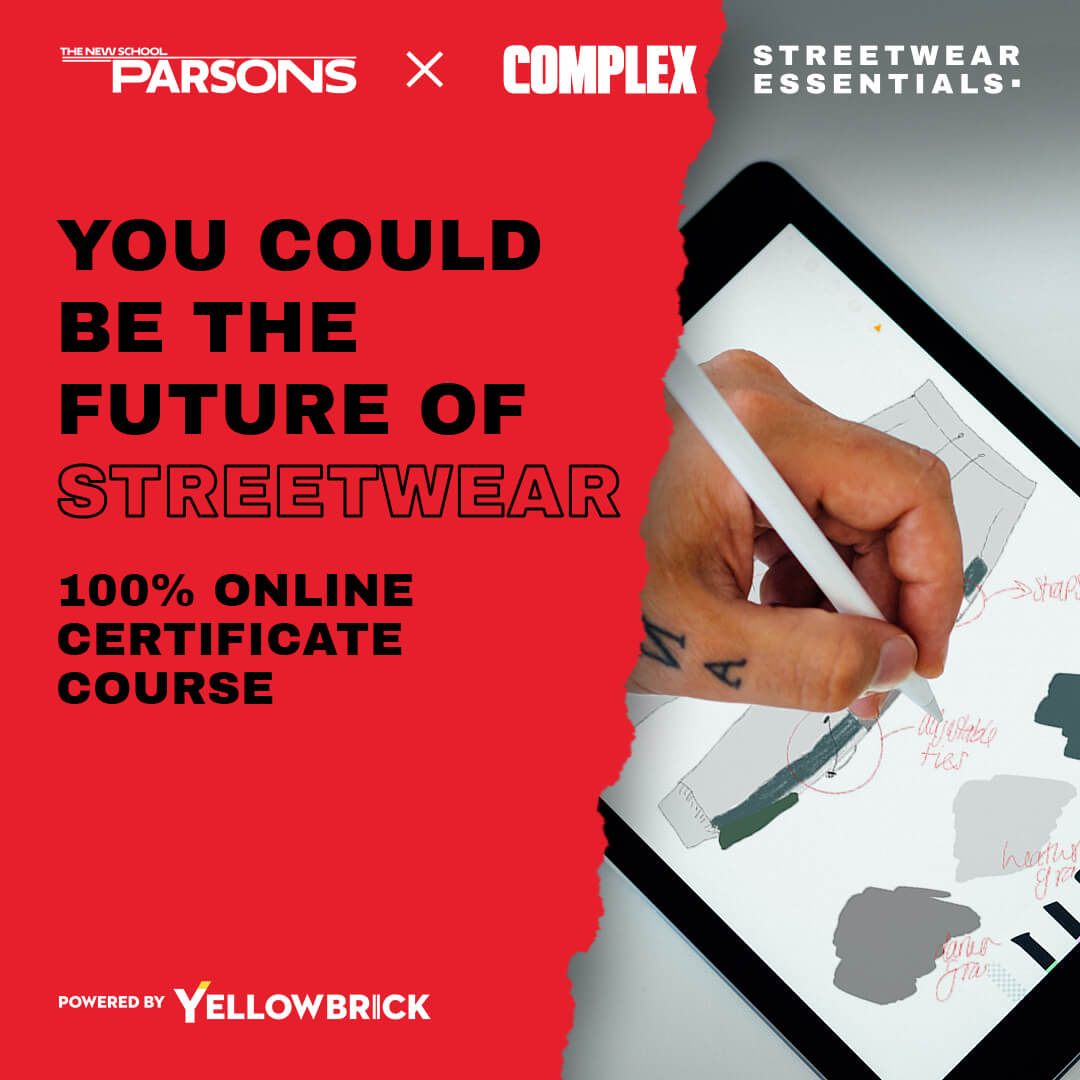
Enhance your streetwear design skills with Parsons Streetwear Essentials for expert guidance.