Changing careers can be both exciting and challenging. Whether you want to enter a completely different industry, return to the workforce, or advance in your current profession, gaining new skills can help you move toward your goals. However, returning to college for another degree may require a significant investment of time and money.
Certificate programs offer an alternative. They provide focused training in specific areas and can help you develop practical skills that employers value. Depending on the program, you may complete your training in a few weeks, several months, or longer.
From data analytics and digital marketing to healthcare administration and project management, several certificate programs can help career changers prepare for new professional opportunities. This guide explores some of the most useful options, the skills they teach, and the career paths they may support.
1. Data Science and Analytics
Data has become an important part of decision-making across many industries. Businesses, healthcare organizations, financial institutions, and government agencies use data to understand trends, solve problems, and improve their operations.
For career changers who enjoy problem-solving and working with information, data science and analytics can be promising fields to explore.
Data Analytics Certificate. A data analytics certificate introduces students to the process of collecting, organizing, analyzing, and presenting data. Programs commonly cover spreadsheet applications, data visualization, statistical concepts, and database fundamentals.
You may also learn tools such as Microsoft Excel, SQL, Tableau, or Power BI. Some programs introduce Python for data analysis.
These skills can prepare you for entry-level opportunities such as data analyst, reporting analyst, operations analyst, or business analyst. The specific requirements vary by employer, and many positions also expect practical experience or a portfolio of completed projects.
Business Intelligence Certification. Business intelligence focuses on turning business data into useful information. Professionals in this area create reports, dashboards, and visualizations that help organizations understand their performance.
A business intelligence program may teach you how to work with databases, develop dashboards, identify performance trends, and communicate findings to decision-makers.
This training may be useful for people interested in business analysis, reporting, operations, or management support. It can also help professionals in other fields develop stronger data-driven decision-making skills.
2. Digital Marketing and Social Media
Digital marketing is a flexible career path because organizations of all sizes need ways to reach customers online. Retail companies, fashion brands, service providers, nonprofits, and technology businesses use digital channels to promote their products and services.
Career changers with an interest in communication, creativity, and technology may find this field especially appealing.
Digital Marketing Certificate. A digital marketing certificate introduces the strategies businesses use to attract and engage online audiences. Topics may include search engine optimization, paid advertising, content marketing, email marketing, website analytics, and online campaign planning.
You may also learn how to use tools such as Google Analytics, Google Ads, and email marketing platforms.
These skills can support career opportunities such as digital marketing assistant, marketing coordinator, SEO specialist, content marketer, or online advertising assistant. Building sample campaigns and gaining practical experience can make your qualifications more competitive.
Social Media Marketing Course. Social media marketing focuses on using platforms such as Instagram, Facebook, TikTok, LinkedIn, and Pinterest to build brand awareness and connect with audiences.
A course in this area may cover content planning, social media strategy, audience research, community management, short-form video, and performance measurement.
You may learn how to create a content calendar, write engaging captions, develop promotional campaigns, and evaluate audience engagement.
This training can be useful for people interested in becoming social media coordinators, community managers, content creators, or freelance social media marketers. It can also help small business owners promote their own products and services.
3. Project Management and Leadership
Project management skills are useful in nearly every industry. Organizations need professionals who can organize tasks, manage resources, communicate with teams, and complete projects within established timelines and budgets.
Career changers with experience in administration, customer service, education, business operations, or team coordination may be able to apply their existing skills to this field.
Project Management Certification. Project management programs teach the principles and processes involved in planning, organizing, and completing projects.
Common topics include project scheduling, budgeting, risk management, resource allocation, stakeholder communication, and progress monitoring. Some programs also introduce Agile methods, Scrum, or other project management approaches.
Recognized credentials include the Certified Associate in Project Management (CAPM) from the Project Management Institute and other training programs offered by professional organizations and educational institutions. Requirements differ, so review the eligibility rules before enrolling.
Completing a project management program may help prepare you for roles such as project coordinator, project administrator, or junior project manager. More advanced positions generally require relevant experience.
Leadership Development Program. Leadership programs focus on the skills needed to guide people, support teams, and make effective decisions.
Courses may cover communication, conflict resolution, coaching, problem-solving, team building, and performance management. Some programs also teach emotional intelligence and strategies for managing workplace change.
These programs can benefit professionals who want to move into supervisory or management roles. They are also useful for career changers who have previous experience leading teams, coordinating activities, or managing responsibilities in another industry.
4. Graphic Design and Visual Communication
Graphic design is a creative field that combines visual communication, technology, and problem-solving. Businesses use design to develop brand identities, promote products, communicate information, and create memorable customer experiences.
Career changers with an interest in art, creativity, and digital tools may consider certificate programs in graphic design and visual communication.
Graphic Design Certificate. A graphic design certificate teaches the fundamentals of creating visual materials for print and digital platforms.
Students typically study color theory, typography, composition, layout, image editing, and design principles. Many programs provide practical training in software such as Adobe Photoshop, Illustrator, and InDesign.
You may create logos, posters, brochures, advertisements, social media graphics, and other design materials as part of your coursework.
These skills can support opportunities as a junior graphic designer, production artist, design assistant, or freelance designer. A strong portfolio is especially important because employers and clients often evaluate actual design work when considering applicants.
Visual Communication Course. Visual communication focuses on using images, graphics, typography, and other visual elements to communicate ideas clearly.
Programs may include visual storytelling, branding, information design, presentation design, and user experience fundamentals. Some also introduce website layouts and user interface design.
This training can be useful for people interested in advertising, marketing, branding, digital content, and design-related roles. It can also strengthen the skills of professionals who regularly prepare presentations, reports, or promotional materials.
5. Healthcare Administration and Management
Healthcare is a large and complex industry that requires professionals who can support its administrative, financial, and operational activities. Not every healthcare career involves direct patient care. Hospitals, clinics, medical offices, and insurance organizations also need trained administrative staff.
For career changers interested in healthcare but not necessarily in becoming doctors or nurses, healthcare administration and medical billing may be worth exploring.
Healthcare Management Certificate. A healthcare management certificate introduces students to the business and administrative side of healthcare organizations.
Programs may cover healthcare operations, medical terminology, healthcare finance, health information management, patient services, and healthcare regulations.
This knowledge can be useful for people interested in administrative support, clinic coordination, healthcare operations, or supervisory roles. However, management positions may require additional education and professional experience.
Medical Billing and Coding Program. Medical billing and coding programs teach students how to interpret medical documentation and translate healthcare services into standardized codes used for billing and insurance claims.
Training may include medical terminology, anatomy basics, coding systems such as ICD-10-CM, and procedures for processing insurance claims. Students may also learn about privacy requirements and the importance of accurate medical records.
Graduates may pursue entry-level opportunities in medical billing, coding support, claims processing, or healthcare administration. Some employers prefer or require professional credentials, such as certifications offered by recognized coding organizations. Check the requirements of your intended employer and the credentialing body before choosing a program.
How to Choose the Right Certificate Program
Choosing a certificate program should begin with understanding your career goals. A popular course is not automatically the best choice. The right program should match your interests, current abilities, financial situation, and the qualifications required for your intended career.
Identify your career direction. Decide what kind of work you want to pursue. Research job descriptions and identify the skills, education, and credentials employers commonly request. This will help you avoid enrolling in a program that does not support your actual career goals.
Check the program’s credibility. Research the school, training provider, and organization offering the certificate. Look for clear course descriptions, qualified instructors, practical training, and transparent information about fees and completion requirements.
For professional certifications, check whether the credential is recognized by employers or an established industry organization.
Consider the cost and time commitment. Certificate programs vary in price and duration. Some are self-paced and available online, while others require scheduled classes, examinations, or practical training.
Compare the total cost, including registration fees, learning materials, software, and examination expenses. Choose a program that fits your budget and schedule.
Look for practical learning opportunities. Programs that include projects, case studies, simulations, or hands-on activities can help you apply what you learn. These experiences may also provide useful examples for your professional portfolio.
Review employment opportunities. Research whether your chosen field has entry-level positions in your area or offers remote work opportunities. Understand the difference between completing a training certificate and meeting the requirements for a professional license or certification.
Conclusion
Certificate programs can provide career changers with a practical way to develop new skills and explore different professional opportunities. Whether you choose data analytics, digital marketing, project management, graphic design, or healthcare administration, focused training can help you build a foundation for your next career move.
However, earning a certificate is only one part of the process. You should also gain practical experience, develop a professional portfolio when appropriate, connect with people in your chosen industry, and continue learning as your field changes.
The best program is not necessarily the most expensive or well-known one. It is the one that matches your career goals, provides relevant training, and helps you meet the qualifications employers are looking for.
Key Takeaways:
- Certificate programs can help career changers develop specialized skills without committing to another full degree.
- Data analytics and business intelligence programs are useful for people interested in working with information and business decisions.
- Digital marketing and social media courses can prepare learners for online marketing and content-related roles.
- Project management and leadership programs help develop planning, communication, and team coordination skills.
- Graphic design and visual communication certificates can support creative careers in advertising, branding, and digital media.
- Healthcare administration and medical billing programs offer opportunities in the administrative side of healthcare.
- Before enrolling, research the program’s credibility, cost, duration, practical training, and recognition by employers.
- Combine your certificate with hands-on experience and continued learning to improve your career prospects.
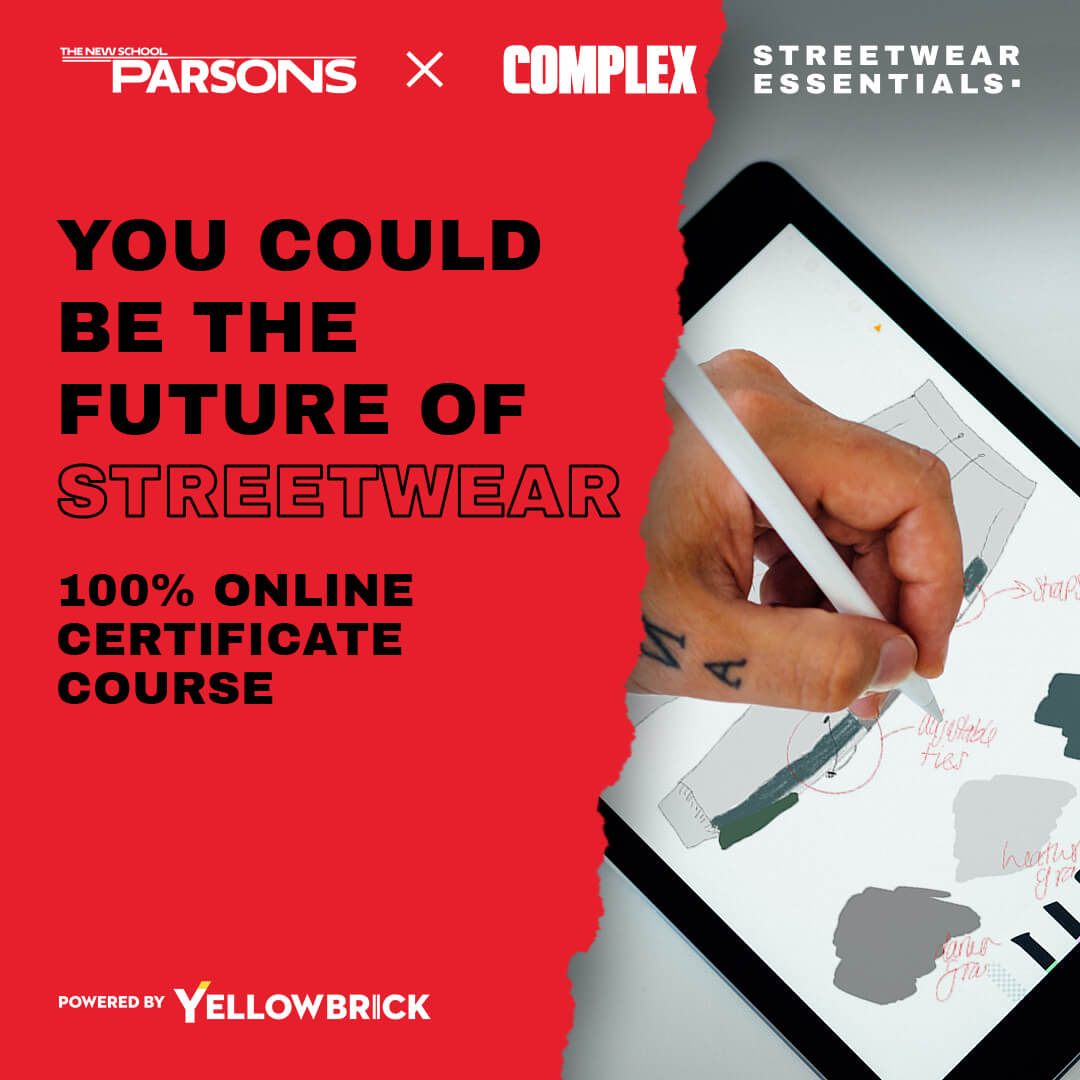
Explore the Parsons Streetwear Essentials program for specialized training in fashion marketing.