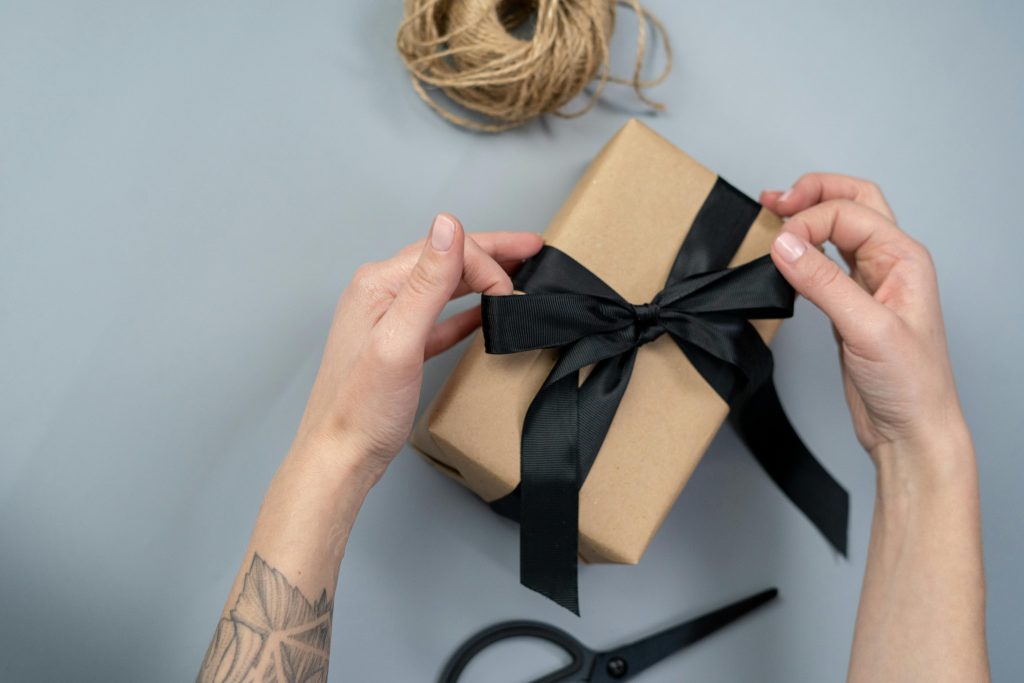
Packaging is more than a way to protect and deliver clothing. It is an opportunity to communicate your brand’s identity, create a positive first impression, and make customers feel connected to your business. From a simple branded mailer to a reusable tote bag, the right packaging can turn an ordinary delivery into a memorable customer experience.
For clothing brands, packaging also helps create consistency across product labels, shipping materials, inserts, and other branded items. A well-planned design can make your products look more professional while supporting your brand’s values and appealing to your target audience.
Whether you operate a small online clothing store, an independent streetwear label, or an established fashion business, you can develop packaging that looks distinctive without spending more than necessary. This guide explores practical clothing packaging ideas, sustainable materials, personalization options, and ways to make your packaging both attractive and functional.
1. Branding Through Packaging
Your packaging should reflect the personality of your clothing brand. Customers should be able to recognize your business through its colors, logo, typography, and overall presentation.
Logo placement is a simple way to reinforce brand recognition. You can print your logo on shipping boxes, poly mailers, tissue paper, stickers, hangtags, or thank-you cards. For a premium appearance, consider a small logo positioned neatly on the front of a box or a single-color print on a mailer. For a bold streetwear brand, a larger graphic or distinctive wordmark may better match the brand’s personality.
Consistency matters more than placing your logo on every surface. Choose a few key packaging elements that customers will notice, and use them consistently across orders. This approach can create a cohesive identity without unnecessary printing costs.
Your color scheme also plays an important role. Neutral shades such as black, white, beige, and gray can create a clean, understated look. Bright colors and bold combinations may suit playful brands, youth-focused labels, or streetwear collections. Earthy colors can support a brand identity built around natural materials or environmental responsibility.
Typography, patterns, and graphic details should complement your chosen colors. Avoid using too many fonts or competing design elements because they can make packaging look cluttered.
Consider your target customer when making these decisions. A brand selling minimalist everyday clothing may benefit from simple kraft packaging and subtle branding, while a brand focused on bold graphics may use colorful mailers and statement stickers.
Before ordering packaging in large quantities, create a few mockups and test how the design looks in real life. Check the colors, logo size, print quality, and readability under different lighting conditions. A consistent visual identity helps customers connect the packaging with the products and the overall shopping experience.
2. Sustainable Packaging Solutions
Sustainable packaging can help reduce unnecessary waste while showing customers that your business considers its environmental impact. However, choosing environmentally responsible packaging requires more than selecting a material labeled “eco-friendly.” Consider the material’s production, durability, shipping requirements, local recycling options, and likelihood of being reused.
Recycled paper mailers, cardboard boxes, paper tape, and recycled-content tissue paper are options worth exploring. These materials can work well for many clothing products, particularly when the packaging does not need extensive moisture protection.
Some clothing brands also use reusable fabric bags or mailers made from recycled materials. These options may be suitable when their durability and reuse potential justify the cost. For products that need protection from rain or moisture during shipping, choose packaging that provides adequate protection without adding unnecessary layers.
Be careful when selecting biodegradable or compostable plastics. These materials may require specific conditions to break down, and customers may not have access to suitable composting facilities. Check the supplier’s documentation and explain any special disposal requirements clearly.
Minimalist packaging is another practical way to reduce waste. Instead of placing every garment inside several layers of packaging, use only the materials needed to protect the product, maintain presentation, and comply with applicable shipping requirements.
For example, a clothing order might include one suitable shipping mailer, a simple branded sticker, and a small product card. This can create a professional presentation without adding multiple unnecessary inserts or decorative materials.
You should also evaluate the size of your packaging. Oversized boxes take up more storage and shipping space and may require additional filler. Selecting appropriately sized packaging can help reduce material use and improve shipping efficiency.
Finally, communicate sustainability claims accurately. If your packaging contains recycled material, specify that where appropriate rather than describing the entire package as fully recyclable or biodegradable without evidence. Clear information helps customers understand how to dispose of or reuse the materials responsibly.
3. Personalized Touches
Personalized packaging can make customers feel that their orders have received thoughtful attention. Even small details can create a stronger connection between your brand and the people who purchase from you.
Customized labels are one option. You can add your logo, collection name, product information, or a short message to clothing labels and packaging stickers. For limited releases or special orders, you might include a numbered card or a small note identifying the collection.
Personalization does not always require printing each customer’s name. Custom printing for individual orders can increase costs and complicate fulfillment, especially for a small business. Instead, develop a consistent branded design and reserve more individualized touches for special occasions, loyal customers, or premium orders.
Thank-you cards are another simple addition. A short printed message can express gratitude and remind customers how to contact your business, care for their clothing, or share their purchases online. For a small number of orders, handwritten notes can add a personal touch. As order volume grows, a well-designed printed card may be more practical.
You can also include useful information such as garment care instructions, a size or product reference, or details about the collection. These inserts provide value rather than serving only as decoration.
If you want to encourage repeat purchases, include a QR code that leads to a relevant destination, such as your website, a garment care guide, a styling page, or a customer support channel. Make sure the link works, the destination is mobile-friendly, and the purpose of the QR code is clear.
Keep personalization aligned with your brand. A handmade clothing label might use simple handwritten notes, while a modern streetwear business might use graphic cards with bold typography. The goal is to make the customer experience feel intentional rather than overly complicated.
4. Creative Packaging Elements
Distinctive packaging can help your clothing brand stand out, particularly when customers receive orders at home or share their purchases on social media. Creative elements should support your product and brand identity while remaining practical to store, assemble, and ship.
Unconventional packaging shapes can create a memorable presentation. Cylindrical containers, geometric boxes, and specially designed sleeves may work for selected products or gift sets. However, unusual shapes can increase manufacturing costs, occupy more storage space, or complicate shipping. Test the design before committing to a large order.
For most clothing businesses, the packaging does not need to be unusual in shape to look distinctive. A standard mailer with a custom print, a branded paper band, a contrasting inner lining, or a carefully designed sticker can produce a strong visual effect at a lower cost.
Interactive packaging offers another opportunity. A box could include a printed message under the lid, a card that unfolds into a small poster, or a QR code linking to a styling video. These details encourage customers to engage with your brand beyond opening the package.
You could also create a simple unboxing sequence. For example, a customer might first see a branded outer mailer, then a garment wrapped in tissue paper, followed by a product card. Each layer should serve a purpose, such as protection, presentation, or useful information.
Avoid adding interactive elements merely for novelty. Hidden compartments, pop-up structures, and complex inserts can increase packaging waste and assembly time. Choose features that are easy to use, reliable, and appropriate for the product.
Before launching a new packaging design, test it with real garments. Check whether the clothing folds neatly, whether decorations transfer onto the fabric, and whether the packaging remains intact during handling and shipping. Attractive packaging is only effective if the product arrives in good condition.
5. Seasonal and Limited-Edition Packaging
Seasonal packaging can help your brand connect with holidays, special events, and limited product releases. It can also make gift purchases feel more thoughtful and encourage customers to explore new collections.
For holiday campaigns, you might introduce a temporary color palette, a themed sticker, a gift message card, or a decorative paper band. For example, a winter collection could use a restrained palette with seasonal artwork, while a summer release might feature bright colors and tropical-inspired graphics.
The design should remain consistent with your established brand identity. If your brand is known for minimalist packaging, a small seasonal detail may be more effective than a complete visual redesign. This allows customers to recognize your business while still noticing something new.
Limited-edition packaging can also support collaborations, anniversary collections, product launches, or special capsule releases. You might use a unique printed sleeve, a numbered insert, or packaging artwork created with a collaborating artist.
Exclusivity should be genuine. If you describe packaging as limited edition, make sure the production and promotional details support that claim. Avoid creating unnecessary urgency that misleads customers about availability.
Consider the financial and operational impact before introducing seasonal designs. Ordering separate packaging for every occasion can lead to excess inventory and additional storage costs. A practical alternative is to use standard packaging as your base and add low-cost seasonal elements, such as stickers or removable paper bands.
Plan seasonal orders early enough to account for design approval, supplier lead times, production, and delivery. This helps reduce the risk of receiving holiday packaging after the relevant sales period has ended.
6. Functional and Reusable Packaging
Good packaging should protect clothing, support an efficient shipping process, and offer a positive customer experience. Reusability can add further value when the packaging is durable and useful enough for customers to keep.
Reusable tote bags can work well for boutique purchases, premium collections, event merchandise, or selected direct-to-consumer orders. A tote featuring your logo or a distinctive design may continue to promote your brand after the original purchase. However, reusable bags often cost more than standard mailers, so consider whether the added expense fits your pricing and marketing strategy.
Rigid storage boxes may suit gift sets, premium garments, accessories, or limited-edition collections. Customers may reuse them to store clothing, accessories, or personal items. Choose a size and structure that protect the product without making shipping unnecessarily expensive.
You can also design packaging that serves a second purpose. A printed insert might double as a small poster, while a sturdy box could be suitable for storage after delivery. The best multi-purpose packaging is useful without requiring customers to follow complicated instructions.
Reusable packaging should be designed for its intended purpose. If a tote bag is meant to carry everyday items, it needs suitable handles and durable construction. If a box is intended for storage, it should hold its shape and be easy to open and close.
Encourage reuse by including a short suggestion on a card or package label. For example, you could suggest using a fabric bag for everyday shopping or repurposing a clean storage box for accessories. Keep the message practical and avoid implying that reuse eliminates all environmental impacts.
It is also important to distinguish reusable packaging from returnable shipping systems. Reusable shipping packaging may require customers to return the materials through a designated process. If you introduce such a system, explain how returns work, who pays for return shipping, and how the packaging should be prepared.
7. Choosing Packaging That Fits Your Budget
Packaging costs can add up quickly, especially for new clothing brands with limited budgets. Before choosing premium boxes, custom printing, and multiple inserts, determine how much you can reasonably spend on packaging for each order.
Start by calculating the total cost of each packaging option. Include the unit price, printing, labels, inserts, storage, assembly time, and shipping implications. A low-cost mailer may be more economical than a large custom box, while a reusable bag may be justified for a premium product with a higher profit margin.
Order samples before committing to bulk purchases. Examine material strength, print quality, color accuracy, and how easily each option fits your garments. Test the package by folding and packing products, sealing the package, and checking whether it withstands normal handling.
You can create different packaging levels for different products. Standard orders might use branded mailers and a simple card, while gift sets or premium collections receive upgraded packaging. This helps you control costs without making every order feel identical.
For small businesses, stickers, printed cards, and custom tissue paper can provide branding opportunities without requiring fully customized boxes. As sales increase, you can review your packaging expenses and negotiate better prices with suppliers.
Keep your packaging consistent with your selling price and customer expectations. Expensive packaging cannot compensate for poor product quality, inaccurate sizing, or slow delivery. Prioritize garment protection, accurate order fulfillment, and clear communication before investing in decorative extras.
8. Testing and Improving Your Packaging
Packaging should be reviewed regularly as your business grows, products change, and customer expectations evolve. A design that works for lightweight T-shirts may not provide enough protection for heavier garments, structured jackets, or multi-item orders.
Begin by testing different package sizes and materials. Check whether clothing fits comfortably, whether the closure stays secure, and whether the package protects against ordinary handling and shipping conditions. If products are shipped through wet weather or long-distance delivery networks, consider the level of moisture and damage protection required.
Collect feedback from customers and your fulfillment team. Customers may comment on presentation, ease of opening, excess packaging, or damage during delivery. Employees or fulfillment partners may identify problems with packing time, storage, or sealing.
Track practical measures such as packaging cost per order, damage and return rates related to shipping, packing time, and the amount of unused material. These measures can help you determine whether a packaging change improves the customer experience and business efficiency.
You can also test design variations with a small group of orders before introducing them across your entire product range. Compare the cost, customer response, and practical performance of each option.
Finally, review supplier reliability and production lead times. A beautiful custom package is not useful if it repeatedly arrives late or is unavailable when you need it. Keep backup packaging options for essential orders and maintain accurate records of specifications, materials, and supplier details.
Conclusion
Packaging is an important part of your clothing brand’s identity and customer experience. Thoughtful logo placement, consistent colors, sustainable materials, personalized inserts, creative designs, and reusable packaging can help make your products more memorable.
The best packaging is not necessarily the most expensive or elaborate. It is the packaging that protects your clothing, reflects your brand, fits your budget, and gives customers a reason to remember their purchase.
Start with a clear design direction and a few practical packaging elements. Test them with real orders, collect feedback, and improve your approach as your business grows. With careful planning, packaging can become a valuable part of your brand experience rather than an unnecessary expense.
Key Takeaways:
- Use consistent logos, colors, and typography to reinforce your clothing brand’s identity.
- Choose packaging materials based on durability, cost, environmental impact, and available disposal options.
- Add personalized cards, product information, or useful QR codes to make the unboxing experience more engaging.
- Use creative shapes and interactive elements only when they provide value and remain practical to ship.
- Introduce seasonal or limited-edition designs without creating unnecessary packaging inventory.
- Consider reusable totes, storage boxes, and multi-purpose inserts when they suit your products and customers.
- Calculate the full cost of packaging, including printing, storage, assembly, and shipping.
- Test packaging with real products and use customer feedback to improve protection, presentation, and efficiency.
- Prioritize product protection and customer satisfaction over decorative extras.
Explore further insights into fashion branding with Parsons Streetwear Essentials for expert guidance.