The fashion industry is fast-paced, creative, and highly competitive. Behind every successful clothing brand is a marketing strategy that helps shape its identity, attract customers, and increase sales. Fashion marketers play an important role in this process by combining their knowledge of fashion with marketing, communication, and business skills.
If you enjoy fashion, creativity, and understanding consumer behavior, a career in fashion marketing may be a good fit. Whether you want to work for an established fashion house, a clothing retailer, a marketing agency, or your own fashion brand, developing the right skills and experience can help you enter the industry.
This guide explains how to become a fashion marketer, from understanding the industry and gaining relevant education to building a portfolio and developing specialized marketing skills.
1. Understand the Fashion Industry
Before pursuing a career in fashion marketing, it is important to understand how the fashion industry works. Fashion marketing is not limited to promoting clothes or creating attractive advertisements. It involves understanding consumers, identifying market opportunities, building brand awareness, and communicating the value of fashion products.
Develop industry knowledge. Follow fashion news, seasonal collections, runway shows, retail developments, and emerging designers. Pay attention to changes in consumer preferences, popular styles, and shopping habits. Understanding these developments will help you recognize what influences purchasing decisions and how brands respond to market trends.
You should also learn about the different parts of the fashion industry, including design, manufacturing, merchandising, retail, public relations, and e-commerce. Knowing how these areas work together will help you understand where marketing fits into the overall business.
Study successful fashion brands. Familiarize yourself with established luxury labels, sportswear companies, independent designers, and emerging clothing brands. Examine how they communicate with their audiences, present their products, and distinguish themselves from competitors.
For example, a luxury fashion brand may focus on exclusivity, craftsmanship, and heritage, while a streetwear brand may emphasize culture, individuality, and community. Understanding these differences will help you identify how marketing strategies change depending on a brand’s identity and target market.
2. Gain Relevant Education and Skills
A strong educational background can help you develop the knowledge and practical abilities needed for a career in fashion marketing. Although there is no single educational path, studying marketing, fashion business, communications, or related fields can provide a useful foundation.
Build your marketing expertise. Consider pursuing a degree in marketing, fashion merchandising, business administration, advertising, public relations, or communications. These programs can introduce you to important topics such as market research, consumer behavior, branding, advertising, sales, and business strategy.
If a college degree is not an option, online courses, workshops, and professional training programs can also help you develop relevant knowledge. Look for courses in digital marketing, social media management, content creation, search engine optimization, and marketing analytics.
Develop creative skills. Fashion marketing requires creativity because brands must communicate their identity in ways that attract attention and connect with consumers. Learn how to create engaging content, write persuasive product descriptions, develop campaign concepts, and tell stories that reflect a brand’s personality.
Visual communication is also important. Familiarize yourself with photography, graphic design, video editing, and presentation tools. Programs such as Canva and Adobe Creative Cloud can help you create professional marketing materials.
Strengthen communication skills. Fashion marketers work with designers, photographers, influencers, retailers, customers, and business teams. Clear writing, confident speaking, teamwork, and presentation skills are essential for sharing ideas and managing campaigns.
3. Build a Strong Portfolio
A professional portfolio allows potential employers and clients to see what you can do. It provides evidence of your creativity, marketing knowledge, and ability to develop strategies for fashion brands.
Showcase your work. Include projects that demonstrate different aspects of fashion marketing. These may include sample social media campaigns, brand development plans, promotional materials, product launches, email marketing examples, and content calendars.
If you have limited professional experience, create sample projects for imaginary fashion brands or choose an existing brand and develop a marketing campaign as a practice exercise. Clearly identify these projects as independent or sample work rather than actual client campaigns.
For each project, explain the goal, target audience, strategy, creative approach, and expected results. If you have real campaign data, include measurable outcomes such as engagement rates, website visits, leads, or sales growth.
Establish a digital presence. Create a professional website or online portfolio where employers can easily view your work. You can also use platforms such as LinkedIn, Instagram, and Pinterest to share your projects, discuss fashion marketing ideas, and connect with industry professionals.
Keep your online presence organized and professional. Use a clear profile description, consistent visual presentation, and relevant examples of your work. Your digital presence can demonstrate that you understand how brands communicate online.
4. Gain Practical Experience
Practical experience helps you apply what you have learned and understand the daily responsibilities of a fashion marketer. It also gives you opportunities to develop professional relationships and build confidence.
Apply for internships and entry-level positions. Look for opportunities at clothing companies, fashion retailers, advertising agencies, public relations firms, and e-commerce businesses. Positions such as marketing assistant, social media assistant, content creator, and brand marketing coordinator can provide valuable experience.
During an internship, you may help prepare promotional materials, schedule social media posts, conduct market research, coordinate events, or monitor campaign performance. These responsibilities can help you understand how marketing plans are developed and executed.
Take on independent projects. You do not have to wait for a formal job to gain experience. Offer to help a small clothing business improve its social media content, develop product descriptions, or organize a promotional campaign. You can also create your own fashion-related blog or social media page.
These projects allow you to practice your skills while building examples for your portfolio.
Build professional connections. Attend fashion events, trade shows, workshops, and marketing conferences. Join professional communities and participate in online discussions about fashion and branding.
Networking can help you discover job opportunities, learn from experienced marketers, and meet people who may become future colleagues or clients. Focus on building genuine professional relationships rather than simply collecting contacts.
5. Specialize in Fashion Marketing
Fashion marketing covers several areas, and developing expertise in one or more of them can help you stand out. Your specialization may depend on your interests, strengths, and the type of fashion business you want to work with.
Develop expertise in fashion branding. Branding involves creating a recognizable identity that communicates what a fashion company represents. It includes the brand name, logo, visual style, tone of voice, values, and overall customer experience.
Learn how to identify a brand’s target audience, define its unique selling proposition, and position its products in the market. A successful fashion marketer must understand how to communicate a brand’s identity consistently across advertisements, websites, social media, packaging, and other customer touchpoints.
Explore digital marketing. Digital marketing is essential because many consumers discover and purchase fashion products online. Develop skills in social media marketing, email campaigns, search engine optimization, paid advertising, and e-commerce promotion.
Learn how to create content for platforms such as Instagram, TikTok, Pinterest, and YouTube. Understand how to plan campaigns, select suitable content formats, and communicate with online audiences.
Understand influencer marketing. Fashion brands often collaborate with influencers and content creators to introduce products to new audiences. Learn how to identify suitable partners, evaluate audience engagement, plan collaborations, and measure campaign results.
A successful partnership should match the brand’s identity and reach consumers who are likely to be interested in its products.
Explore e-commerce marketing. Online stores need effective strategies to attract visitors and turn them into customers. Learn how product photography, website design, product descriptions, customer reviews, email promotions, and checkout experiences influence online sales.
Understanding e-commerce will be particularly useful if you want to work with online clothing stores or help independent fashion brands grow their businesses.
6. Stay Updated and Adapt
Fashion marketing changes constantly. New technologies, social media platforms, consumer expectations, and shopping habits influence how brands communicate and sell their products. Successful fashion marketers must remain informed and willing to adapt.
Commit to continuous learning. Follow industry publications, marketing blogs, fashion business websites, and professional organizations. Study successful campaigns and observe how brands respond to changes in the market.
You can also attend webinars, enroll in short courses, and participate in professional workshops. Learning should continue even after you secure a job because marketing strategies and digital tools are constantly evolving.
Improve your analytical skills. Creativity is important, but effective marketing also requires the ability to evaluate results. Learn how to interpret data and use it to make better decisions.
Track key performance indicators such as website traffic, social media engagement, click-through rates, conversion rates, customer acquisition costs, and return on advertising spend. These measurements help determine whether a campaign is meeting its objectives.
For example, if a clothing brand receives many social media views but very few website visits, its marketing team may need to improve its calls to action or make product links easier to access. Analyzing results allows marketers to identify problems and adjust their strategies.
Adapt to changing consumer preferences. Consumers may change their expectations regarding price, quality, convenience, sustainability, and brand values. Pay attention to customer feedback and purchasing patterns so you can help brands remain relevant.
At the same time, avoid following every trend without considering whether it suits the brand. Effective marketing requires balancing current trends with a consistent brand identity.
Conclusion
Becoming a successful fashion marketer requires a combination of industry knowledge, marketing expertise, creativity, practical experience, and continuous learning. Understanding the fashion business, developing relevant skills, building a strong portfolio, and gaining hands-on experience can help you prepare for opportunities in this competitive field.
As you develop your career, consider specializing in areas such as fashion branding, digital marketing, influencer partnerships, or e-commerce. Most importantly, learn how to combine creative ideas with research and measurable results.
Fashion marketing is more than promoting products. It is about understanding people, communicating brand value, and creating meaningful connections between fashion businesses and their customers.
Key Takeaways:
- Learn how the fashion industry works, including its brands, consumers, trends, and business activities.
- Develop a strong foundation in marketing, branding, communication, and creative skills.
- Build a professional portfolio that demonstrates your ability to create fashion marketing campaigns.
- Gain practical experience through internships, entry-level jobs, and independent projects.
- Specialize in areas such as fashion branding, digital marketing, influencer marketing, or e-commerce.
- Keep learning and use marketing data to evaluate campaigns and improve results.
- Build professional relationships that can help you discover opportunities and grow your career.
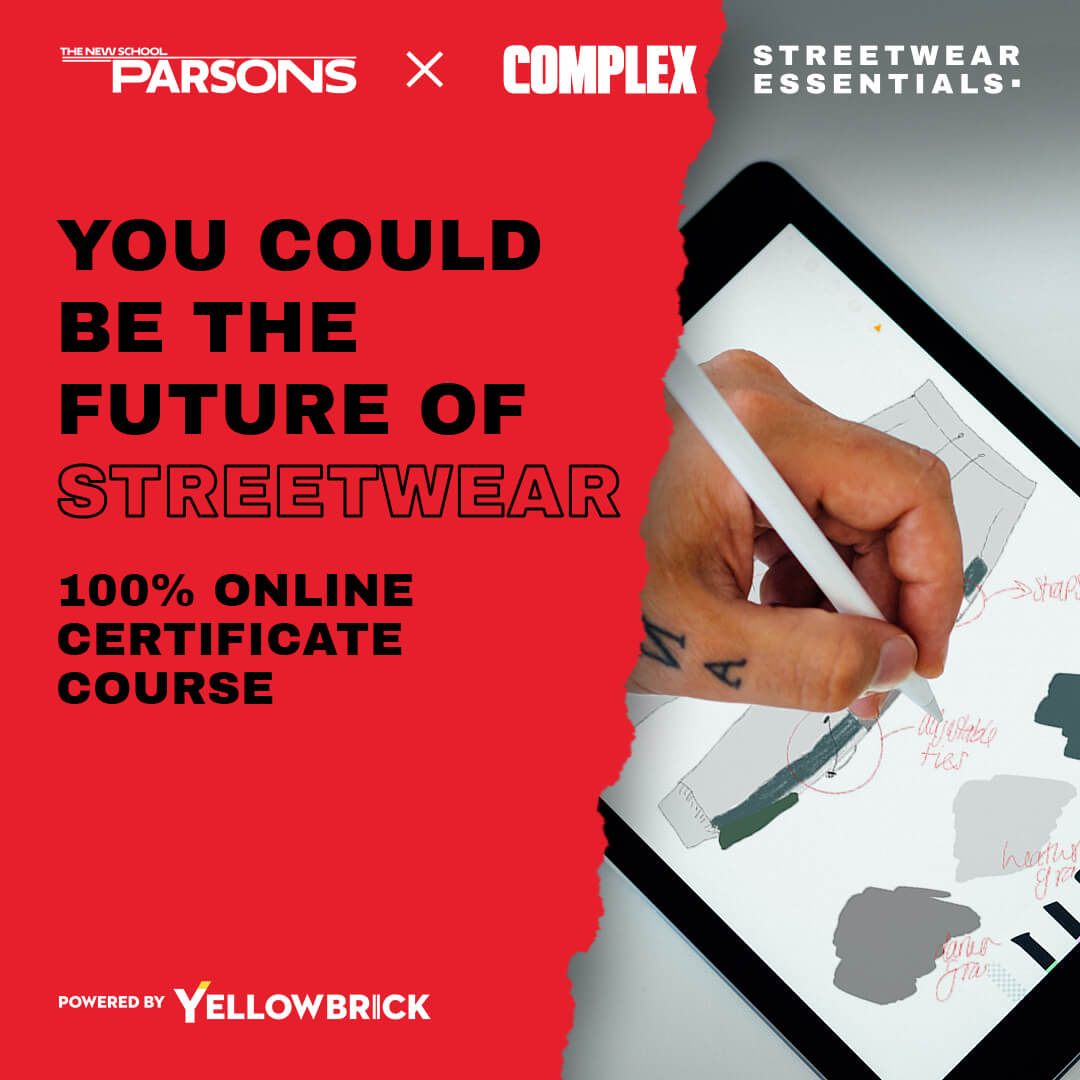
Discover advanced insights in fashion marketing with Parsons Streetwear Essentials for industry expertise.