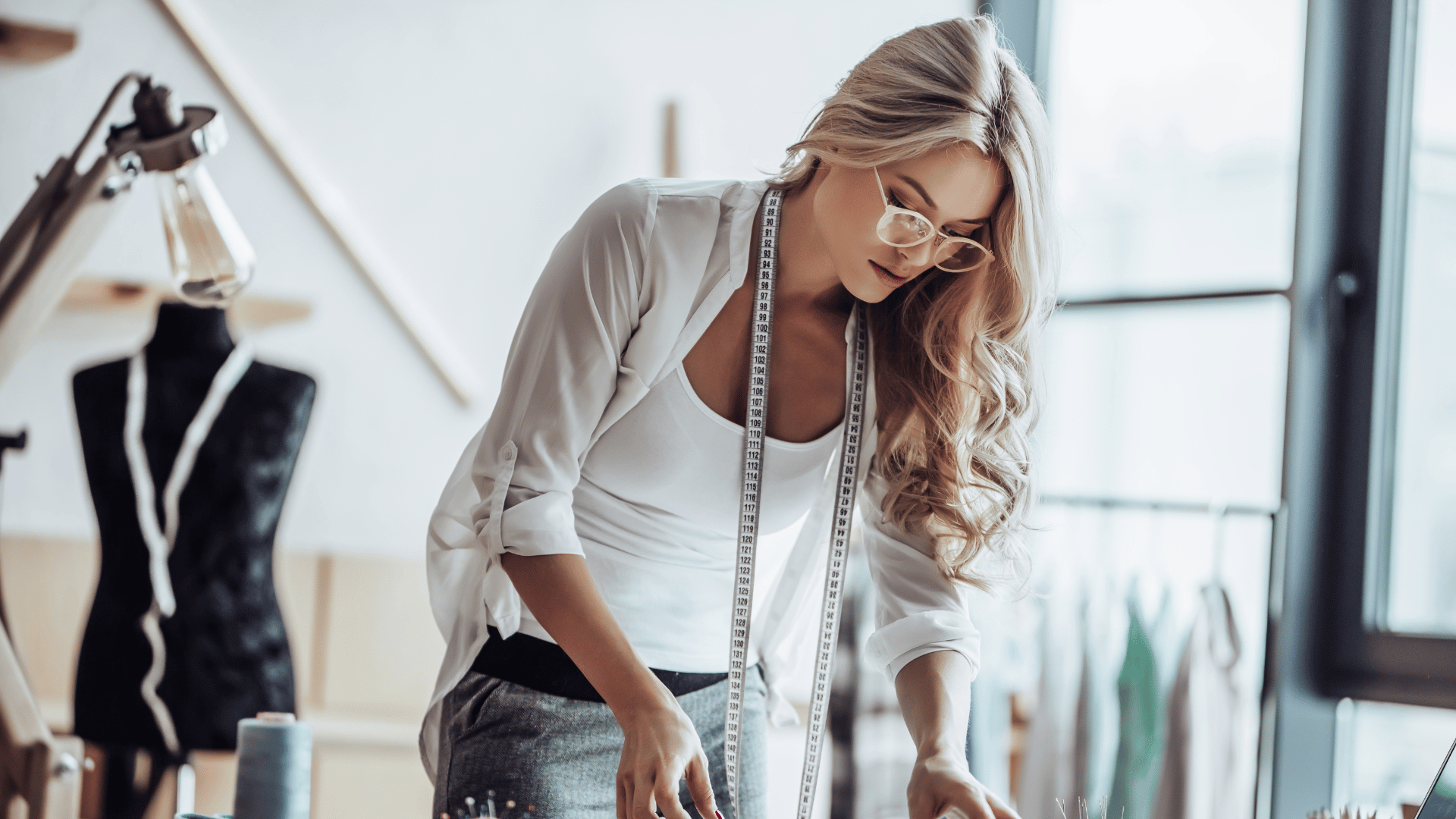
Hosting a fashion show is an exciting way to showcase creativity, introduce a clothing collection, and bring designers, models, industry professionals, and fashion enthusiasts together. Whether you are launching a new clothing brand, presenting a student collection, organizing a charity event, or producing a professional runway show, careful planning can turn your ideas into a memorable experience.
A successful fashion show involves more than models walking down a runway. It requires a clear concept, a well-curated collection, a suitable venue, reliable staff, effective promotion, and coordinated technical production. Every detail, from lighting and music to guest seating and backstage organization, contributes to the overall experience.
This guide explains how to plan, promote, and host a fashion show, from developing your initial concept to evaluating the results after the event.
1. Setting the Stage
The first step in hosting a fashion show is defining your vision. Your concept will guide decisions about the collection, venue, models, music, lighting, decorations, and promotional materials.
Start by identifying the purpose of the event. You might want to introduce a new clothing brand, launch a seasonal collection, attract potential buyers, raise funds for a cause, showcase student work, or celebrate a collaboration. Your objectives will determine the event’s format, budget, audience, and success measures.
Next, develop a theme that connects the different elements of the show. A streetwear collection might use urban-inspired graphics, energetic music, and a simple industrial setting. A formalwear collection might benefit from elegant lighting, a refined runway, and a more sophisticated atmosphere. A sustainable fashion show could highlight recycled materials, responsible production, and garment reuse.
Your theme should support the clothing rather than compete with it. Avoid adding decorations, music, or special effects that distract from the collection.
Choosing the right venue is equally important. Potential locations include event halls, hotels, galleries, studios, theaters, school auditoriums, and outdoor spaces. Consider the venue’s capacity, rental cost, accessibility, lighting, electrical facilities, restrooms, backstage areas, and available loading space.
The venue must accommodate the audience, runway, models, dressing rooms, production crew, photographers, and event staff without making the space feel overcrowded. Before signing a rental agreement, visit the location and assess how it will work for your specific event.
Pay attention to the runway’s dimensions and placement. Guests should have a clear view of the models, and photographers should have suitable positions without blocking other attendees. If the venue has pillars, fixed seating, or an unusual layout, determine whether these features will affect visibility.
Backstage space is another essential consideration. Models need enough room to change outfits, organize garments, prepare for their runway appearances, and receive hair and makeup services. Separate dressing areas can help protect privacy and reduce confusion during quick changes. Provide clothing racks, labeled garment hangers, mirrors, adequate lighting, and a designated area for accessories and shoes.
Check the venue’s technical facilities before finalizing your plans. Confirm the availability of sound equipment, microphones, lighting controls, electrical outlets, and projection equipment if needed. Coordinate with the venue manager or technical team to determine which equipment is included in the rental and which items you must provide separately.
Accessibility and safety should also be part of your venue planning. Provide accessible routes and seating where required, keep emergency exits clear, manage electrical cables safely, and ensure that the runway and backstage areas are free from unnecessary obstacles. For outdoor events, prepare a backup plan for rain, wind, extreme heat, or other weather conditions.
Finally, review the venue’s rules, rental terms, setup and teardown hours, insurance requirements, security arrangements, and any restrictions on music, decorations, or outside suppliers. Confirm the details in writing before paying a deposit.
Once you have selected a suitable venue, create a floor plan showing the runway, audience seating, entrance, registration area, backstage zones, technical equipment, and emergency exits. Share this plan with your production team so everyone understands the layout before event day.
2. Curating the Collection
The clothing collection is the main attraction of your fashion show. Each piece should contribute to the event’s overall theme while demonstrating the designer’s creativity, technical skills, and understanding of the target audience.
Begin by selecting the garments you want to present. Consider how the pieces work together in terms of color, silhouette, fabric, texture, and styling. A cohesive collection usually tells a visual story rather than presenting unrelated outfits.
For example, a collection inspired by urban culture might combine graphic T-shirts, oversized jackets, relaxed trousers, and statement accessories. A collection focused on formalwear might feature structured dresses, tailored suits, and refined details.
Plan the order in which the garments will appear. The opening look should establish the collection’s identity, while the following outfits should maintain interest through changes in color, shape, styling, or mood. Consider ending with a particularly striking design that leaves a strong final impression.
Before the show, inspect every garment carefully. Check seams, buttons, zippers, hems, fit, and cleanliness. Make sure each outfit is complete and ready to wear. Prepare backup supplies such as safety pins, sewing kits, fashion tape, lint rollers, and spare accessories to handle last-minute problems.
Model casting is another important part of collection preparation. Select models who can present the clothing confidently and professionally. Depending on the collection, you may need models with different heights, body types, ages, or personal styles. Choose participants who fit the requirements of the show and can represent the intended audience appropriately.
During casting, assess walking ability, posture, confidence, professionalism, and the ability to follow instructions. Communicate the event’s expectations, rehearsal schedule, wardrobe requirements, and call times clearly.
Prepare a model lineup that identifies which garments each person will wear and in what order. Include outfit numbers, accessories, shoes, and any special styling instructions. This information will help the backstage team organize quick changes and prevent clothing from being assigned incorrectly.
Finally, make sure each garment fits the assigned model and allows safe movement. Models should be able to walk, turn, and pose without clothing slipping, restricting movement, or creating a tripping hazard.
3. Logistics and Planning
A fashion show involves many people and moving parts, so detailed planning is essential. Create a production schedule that identifies each task, its deadline, and the person responsible for completing it.
Start by preparing a budget. Common expenses include venue rental, model fees, designer fees, lighting, sound equipment, decorations, hair and makeup, photography, videography, transportation, security, catering, marketing, and insurance. Include a contingency fund for unexpected costs.
If your budget is limited, focus on the elements that directly affect the presentation of the collection. A small venue, a simple runway, carefully chosen lighting, and coordinated volunteers can create an effective event without requiring an expensive production.
Next, assign responsibilities to the event team. Depending on the size of the show, you may need an event producer, stage manager, backstage coordinator, model coordinator, wardrobe assistants, hair and makeup artists, sound and lighting technicians, front-of-house staff, photographers, and security personnel.
The stage manager should oversee the event timeline and coordinate cues. The backstage coordinator should organize garment changes and model lineups, while the front-of-house manager should handle guest arrival, seating, and audience concerns.
Create a detailed runway layout and seating plan. Consider the distance between the runway and the audience, available walking space, camera positions, emergency exits, and accessible seating. Test the layout from different seats to ensure that guests can see the models clearly.
Backstage organization requires particular attention. Divide the space into designated areas for dressing, hair and makeup, garment storage, accessories, and model preparation. Label clothing racks and hangers with model names or outfit numbers. Arrange garments in runway order to minimize delays.
Prepare a detailed show schedule with estimated times for guest arrival, opening remarks, collection presentations, designer introductions, and closing activities. Allow enough time for transitions between segments.
Communication is essential throughout the planning process. Share the schedule, contact information, venue map, and relevant instructions with everyone involved. Establish a reliable way for the team to communicate during the event, such as headsets, radios, or a designated messaging group.
Finally, confirm arrangements with every supplier before the show. Verify delivery times, equipment requirements, setup responsibilities, payment schedules, and emergency contact details. A written checklist helps ensure that important tasks are not overlooked.
4. Promotion and Marketing
Effective promotion helps attract attendees, build anticipation, and increase awareness of the designers and clothing brands featured in the show. Your marketing strategy should begin well before event day.
Start by identifying your target audience. Depending on the purpose of the show, your audience might include fashion enthusiasts, potential customers, retail buyers, journalists, influencers, industry professionals, students, or members of the local community.
Develop promotional materials that communicate the event’s theme, date, venue, featured designers, and ticket information. Use consistent colors, fonts, images, and language to create a recognizable visual identity.
Social media can be an effective way to promote a fashion show. Share behind-the-scenes photographs, model introductions, collection previews, designer interviews, rehearsal clips, and countdown posts. Short videos can help audiences understand the event’s atmosphere and become interested in attending.
Create a content schedule so promotional posts are released consistently. Instead of announcing the event once and waiting for ticket sales, provide updates that give people new reasons to pay attention.
Collaborations can also expand your reach. Partner with clothing brands, photographers, makeup artists, fashion schools, local businesses, or relevant content creators. Each partner may help introduce the event to a different audience.
If you plan to invite journalists or influencers, prepare a media kit containing the event description, designer biographies, collection details, approved photographs, and contact information. Send invitations early enough for recipients to plan their attendance.
Press releases can help communicate important information about the show, particularly if it features emerging designers, a unique collection, a charitable purpose, or a significant collaboration. Keep the announcement clear and focused on what makes the event newsworthy.
If you intend to sell tickets, choose a suitable ticketing platform and make the purchasing process simple. Clearly explain ticket prices, seating categories, event timing, venue access, and any restrictions. You might offer early-bird tickets, group rates, or student discounts if they fit your budget and audience.
Track ticket sales and audience engagement throughout the campaign. If interest is lower than expected, adjust your promotion by reaching out to relevant communities, sharing more engaging content, or working with additional partners.
Avoid promising attendance numbers, celebrity appearances, or special features that have not been confirmed. Accurate information builds trust and helps ensure that guests have realistic expectations.
5. Event Execution
On the day of the fashion show, the planning process becomes a coordinated live production. Your goal is to make the event run smoothly while allowing the audience to focus on the collection.
Arrive early enough to inspect the venue and supervise setup. Confirm that the runway, seating, decorations, lighting, sound equipment, signage, and registration area are ready. Test all technical equipment before guests arrive.
Conduct a full rehearsal with the models and production team. Review the walking route, entrances and exits, turning points, poses, timing, and music cues. Models should know where to begin, how to move along the runway, and where to exit.
Run through the show in its planned order whenever possible. Test lighting changes, audio levels, microphones, projected visuals, and any special effects. If a technical problem occurs during rehearsal, correct it before the audience arrives.
The backstage team should organize garments in the exact order of appearance. Each outfit should be complete, labeled, and ready for the assigned model. Hair and makeup artists should follow the agreed styling direction, while wardrobe assistants prepare for quick changes.
Provide models with a clear call time and a final briefing. Explain the schedule, backstage rules, emergency procedures, and whom to contact if a problem arises. Keep unnecessary visitors out of restricted backstage areas to reduce distractions.
Front-of-house management is equally important. Staff should welcome guests, check tickets, direct attendees to their seats, answer questions, and assist invited guests or sponsors. Make sure the registration area is organized to prevent long queues.
If you have reserved seating, prepare an accurate seating chart and clearly mark reserved areas. Allow sufficient time for guests to arrive and settle before the show begins.
Once the show starts, the stage manager should coordinate the sequence of models, music, lighting, announcements, and transitions. Use a clear cueing system so everyone knows when to begin each segment.
If something goes wrong, remain calm and follow the contingency plan. A delayed model, technical issue, or missing accessory should be handled by the appropriate team member without unnecessarily disrupting the entire event.
Above all, keep safety a priority. Maintain clear walkways, prevent unauthorized access to technical areas, and ensure that models can move along the runway without slipping or colliding with equipment. A professional event is one in which the audience enjoys the presentation while the team manages the details behind the scenes.
6. Post-Show Activities
The work does not end when the final model leaves the runway. Post-show activities help you strengthen relationships, evaluate the event, and make the most of the attention generated by the collection.
Begin by thanking the people who contributed to the show. Send messages to designers, models, stylists, makeup artists, sponsors, venue staff, suppliers, volunteers, and guests. Recognizing their contributions helps maintain professional relationships and encourages future collaboration.
Follow up with media representatives and influencers who attended. Provide approved photographs, designer information, collection details, and any relevant links. If you promised to send materials after the event, deliver them promptly.
Publish selected event photographs and videos on your website and social media channels. Include appropriate credits for photographers, designers, models, and other contributors. Check that you have the necessary permissions before publishing or distributing images, particularly when identifiable individuals appear in the content.
Post-show content can extend the life of the event. You might share a highlight video, backstage photographs, designer interviews, close-up images of key garments, or a recap of the collection. These materials can help reach people who could not attend in person.
If your objective was to generate sales, provide clear information about how customers can purchase the featured garments. This could include product pages, preorder details, collection launch dates, or contact information for buyers. Make sure any availability claims are accurate.
Collect feedback from attendees, designers, models, sponsors, and staff. Ask what worked well, what caused problems, and what could be improved. A short survey can help you gather useful insights about seating, venue access, event timing, presentation quality, and the overall experience.
Review the budget and compare actual expenses with your original estimates. Assess ticket revenue, sponsorship contributions, merchandise sales, attendance, social media engagement, press coverage, and other measures relevant to your objectives.
Organize photographs, videos, contracts, schedules, supplier details, and financial records in a central location. These materials will help you plan future events more efficiently and provide evidence of your experience when approaching potential sponsors or collaborators.
Finally, hold a brief debriefing meeting with the core team. Discuss the most successful parts of the show, unexpected challenges, and practical changes for the next event. Document the lessons learned while the details are still fresh.
7. Managing the Fashion Show Budget
A realistic budget helps you make informed decisions and avoid unexpected financial pressure. The cost of a fashion show can vary widely depending on the location, audience size, venue, production requirements, and number of people involved.
Begin by listing all expected expenses. These may include venue rental, equipment, model compensation, hair and makeup, clothing transportation, garment preparation, staff, photography, marketing, insurance, catering, and ticketing fees.
Separate essential costs from optional upgrades. A safe venue, suitable lighting, reliable sound equipment, and organized backstage operations should take priority over elaborate decorations or expensive special effects.
Request written quotations from suppliers and compare what each package includes. A lower rental price may not include delivery, setup, technical support, or overtime fees. Understanding the full cost will help you avoid surprises.
Look for sponsorship opportunities that align with the event. Clothing stores, beauty businesses, fashion schools, photographers, accessory brands, and local companies may be interested in contributing funding, products, services, or promotional support.
If sponsors receive benefits in return, define those benefits clearly. These may include logo placement, acknowledgments during the show, promotional posts, or an agreed display area. Put the arrangements in writing and avoid promising exposure that you cannot reasonably deliver.
Ticket sales can help cover costs, but estimate revenue conservatively. Consider venue capacity, expected attendance, complimentary invitations, ticket platform fees, and other deductions before relying on ticket income.
Maintain a contingency fund for unexpected expenses, such as equipment replacement, additional transportation, or last-minute garment repairs. After the show, record actual costs and compare them with your plan to improve future budgeting decisions.
8. Creating an Inclusive and Memorable Experience
A fashion show can be visually impressive while also making guests feel welcome and respected. Thoughtful planning helps create an event that reflects the values of your brand and considers the needs of everyone involved.
Consider diversity when casting models and selecting designers. Depending on the collection and event objectives, a range of body types, ages, backgrounds, and personal styles can help represent a broader audience. Make casting decisions based on the requirements of the show while treating every participant professionally.
Communicate expectations clearly to models and crew. Provide information about call times, compensation, wardrobe requirements, changing arrangements, image usage, and working conditions. Respectful treatment and clear agreements contribute to a better working environment.
Accessibility should also be considered during venue selection and layout planning. Provide appropriate routes and seating for guests with mobility needs, clear event information, and reasonable access to restrooms and other facilities. Ask the venue about available accommodations and communicate any relevant limitations in advance.
Keep the audience experience in mind from arrival to departure. Clear signs, helpful staff, organized seating, reasonable event timing, and comfortable viewing arrangements can make a significant difference.
You can also make the event more engaging by incorporating brief designer introductions, collection notes, or information about the inspiration behind selected garments. These details give the audience a deeper understanding of the work without interrupting the runway presentation.
A memorable fashion show does not need the largest venue or the most expensive production. It needs a clear creative direction, thoughtful organization, professional collaboration, and a collection that connects with its audience.
Conclusion
Hosting a successful fashion show requires creativity, organization, and attention to detail. From defining your vision and selecting a venue to curating the collection, coordinating the production team, promoting the event, and following up afterward, every stage contributes to the final result.
Start with clear objectives and a realistic budget. Build a team with defined responsibilities, prepare the collection carefully, and rehearse the entire show before opening the doors. During the event, prioritize safety, communication, and the audience’s experience.
Afterward, evaluate the results, thank your collaborators, share approved media coverage, and document what you learned. With careful planning and a willingness to improve, your fashion show can become a powerful platform for showcasing creativity, building professional relationships, and growing your presence in the fashion industry.
Key Takeaways:
- Define the purpose, theme, and target audience before making major event decisions.
- Choose a venue that accommodates the runway, audience, backstage team, technical equipment, and accessibility requirements.
- Curate a cohesive collection and prepare every garment before the show.
- Select models who suit the collection and provide clear instructions, schedules, and wardrobe details.
- Create a realistic budget, assign team responsibilities, and maintain a contingency fund.
- Promote the event through social media, media outreach, collaborations, and a straightforward ticketing process.
- Conduct rehearsals and technical checks to reduce the risk of problems during the show.
- Organize backstage operations and front-of-house services to create a smooth experience for models and guests.
- Follow up with attendees, media, sponsors, and collaborators after the event.
- Review feedback, financial results, and event performance to improve future fashion shows.
Elevate your fashion event planning skills with Parsons Streetwear Essentials for expert insights.