Creating a clothing line is an exciting opportunity to turn your creativity into a business. Whether you dream of launching a streetwear label, designing elegant everyday essentials, or creating a collection of unique statement pieces, building a successful clothing line requires more than artistic talent. It takes planning, research, technical knowledge, and a clear understanding of your target customers.
From developing your brand identity to selecting fabrics, creating prototypes, working with manufacturers, and marketing your finished products, every stage plays an important role in bringing your vision to life.
You do not need to launch a large collection immediately. Starting with a focused selection of well-designed garments can help you test your ideas, manage your budget, and understand what customers want before expanding your business.
This guide explains the essential steps to designing a clothing line, from your first concept to your product launch.
Define Your Brand Identity
Before sketching your first garment, establish a clear identity for your clothing line. Your brand identity influences your designs, materials, pricing, marketing, and the customers you want to attract.
Establish Your Vision and Mission
Your brand vision describes what you want your clothing line to become, while your mission explains what your business aims to accomplish and how it plans to serve its customers.
Start by asking yourself why you want to create a clothing brand. Perhaps you want to design affordable everyday clothing, produce distinctive streetwear, create functional activewear, or offer timeless garments that customers can wear for years.
Your answers will help define your brand’s values and aesthetic direction.
For example, a brand focused on minimalist fashion might prioritize clean silhouettes, neutral colors, versatile pieces, and understated details. A streetwear brand might emphasize oversized fits, bold graphics, cultural references, and limited releases.
Your mission should also reflect practical commitments. If your brand promises quality, consider how you will evaluate fabrics, stitching, fit, and durability. If affordability is central to your identity, your material choices and production methods should support your target price range.
A clear vision and mission give your clothing line direction and help you make consistent decisions as the business develops.
Identify Your Unique Selling Proposition
Your unique selling proposition, or USP, explains what makes your clothing line different from competing brands and why customers might choose your products.
Your distinction could come from your design aesthetic, specialized product category, material choices, fit, price range, customization options, or connection to a particular community.
For example, you might focus on versatile clothing for petite customers, durable streetwear with original artwork, or comfortable basics designed for people who prefer simple wardrobes.
Avoid relying on vague claims such as offering the best quality or being completely unique. Identify specific features that customers can recognize and understand.
Research competing brands to see what they already offer. Then determine which customer needs remain underserved and how your designs could address them.
Your USP should influence the products you create, the messages you communicate, and the overall experience customers receive. A clear point of difference makes it easier to build a recognizable clothing brand.
Research and Inspiration
Research helps you understand the market, while creative exploration gives your clothing line its visual character. Combining both allows you to develop designs that are original, relevant, and commercially practical.
Conduct Market Analysis
Market analysis involves studying your target customers, competing brands, fashion trends, and the demand for particular products.
Begin by defining your intended audience. Consider their age range, lifestyle, location, spending habits, fashion preferences, and reasons for purchasing clothing.
Next, examine competing brands. Review their product categories, price points, fabrics, sizing, visual identity, marketing, and customer feedback. Look for recurring complaints or unmet needs that could represent an opportunity for your business.
Fashion trends can also help inform your collection. Observe changes in silhouettes, colors, fabrics, prints, and styling, but avoid building your entire brand around a short-lived trend unless that is part of your strategy.
For example, if research suggests that your target customers want versatile clothing at accessible prices, you might develop a collection of well-fitting T-shirts, relaxed trousers, and lightweight outerwear.
Use your findings to decide which products to design first. A smaller collection based on clear customer needs is often easier to develop, produce, and manage than a large assortment with no defined direction.
Find Creative Inspiration
Creative inspiration can come from art, architecture, music, nature, photography, personal experiences, history, and different cultural influences.
Explore references that reflect the mood and identity you want your clothing line to communicate. A collection inspired by coastal landscapes might use soft colors, relaxed silhouettes, and breathable fabrics. A collection influenced by urban architecture might feature geometric shapes, structured garments, and contrasting materials.
Create a mood board containing photographs, color references, fabric samples, textures, shapes, and other visual elements. Organize these materials around a central concept so the collection feels connected rather than random.
You can also develop a short concept statement that explains the collection’s inspiration, intended customer, mood, and main design features.
Use references as starting points for original ideas rather than copying another designer’s work. Study why certain elements appeal to you, then reinterpret those qualities through your own silhouettes, materials, colors, and details.
A strong concept gives your collection a clear visual direction and helps you make design decisions more efficiently.
Design Development Process
Once you understand your brand and creative direction, begin translating your ideas into actual garments. This stage involves developing silhouettes, choosing design details, and determining how individual pieces will work together as a collection.
Sketch and Conceptualize Your Designs
Sketching helps you explore different garment ideas before committing to materials or production.
Start with rough drawings that communicate the overall shape, proportions, and style of each piece. You do not need to be an expert illustrator to begin. Simple sketches can help you compare silhouettes, necklines, sleeve lengths, pockets, hems, and other details.
As your ideas develop, create more refined drawings that show the features you want to include. Consider how each garment will look from the front, back, and side.
You can also use digital design software if you prefer working on a computer or tablet. Digital tools make it easier to adjust colors, proportions, and design details while keeping your work organized.
Think about the relationship between individual garments. A collection should have a recognizable theme, but its pieces should also work together. For example, a neutral-colored jacket might coordinate with several tops and trousers from the same collection.
Choose a manageable number of designs for your first release. A focused collection allows you to spend more time refining fit, construction, and quality.
Create a Cohesive Collection
A clothing line should feel connected through its design language, even when individual products serve different purposes.
Establish a consistent approach to color, silhouette, fabric, detailing, and overall styling. You might repeat a signature pocket shape, use a consistent color palette, or incorporate a recognizable graphic element across several pieces.
Consider how customers could combine the garments into complete outfits. Coordinated products may make the collection more versatile and help customers understand the intended aesthetic.
You should also decide which products will be the main focus of the launch. These might include a signature hoodie, a distinctive jacket, or a well-designed basic that represents your brand particularly well.
Balance creative experimentation with practical considerations. A highly detailed garment may look impressive but cost significantly more to produce. A simpler design may be more suitable if your target market values affordability and everyday wear.
The goal is to create a collection that feels unified, meets customer needs, and can be produced within your available budget.
Select Fabrics and Materials
Fabric selection affects the appearance, comfort, fit, durability, and cost of a garment. The right material should support both your design concept and the product’s intended use.
Begin by identifying the properties your garment requires. A summer shirt may need lightweight, breathable fabric, while a structured jacket may require a heavier material that holds its shape.
Common options include cotton, linen, denim, wool, polyester, nylon, and fabric blends. Each has different characteristics in terms of texture, breathability, weight, stretch, care requirements, and durability.
Consider fabric weight, often measured in grams per square meter, when selecting materials. A heavier fabric may work well for a structured hoodie, while a lighter fabric may be more appropriate for a relaxed T-shirt. The ideal weight depends on the intended fit, climate, and design.
Request swatches from suppliers before placing a large order. Examine the texture, color, drape, stretch, and recovery of each material. If possible, wash and test the fabric to understand how it behaves after use.
You should also evaluate material availability and cost. A fabric that looks perfect but is difficult to source consistently may create production problems later.
Technical Design and Prototyping
Creative sketches communicate the general idea of a garment, but manufacturers need precise information to produce it consistently. Technical design turns your concept into instructions that can be followed during sampling and production.
Create Technical Drawings and Specifications
Technical drawings, sometimes called flats, show a garment in a clear front and back view. They focus on construction details rather than artistic presentation.
Include important features such as seams, pockets, closures, collars, cuffs, hems, stitching, panels, and graphic placements. Add side or interior views when necessary to explain complicated construction.
You should also prepare a technical specification sheet that records details such as fabric composition, color references, trims, labels, measurements, and construction requirements.
For more complex products, a tech pack can bring together technical drawings, measurement charts, materials, construction instructions, and other production information in one document.
Clear specifications reduce misunderstandings between designers and manufacturers. They also make it easier to compare samples with the intended design and identify corrections before full production begins.
Be as precise as possible. Instructions such as make the sleeves slightly longer can be interpreted differently by different people. A specific measurement and reference point provide clearer guidance.
Develop and Test Prototype Garments
A prototype, often called a sample in clothing production, allows you to evaluate your design before ordering a full production run.
Work with a sample maker or manufacturer to produce an initial version of the garment. Examine whether the fabric, silhouette, construction, and details match your expectations.
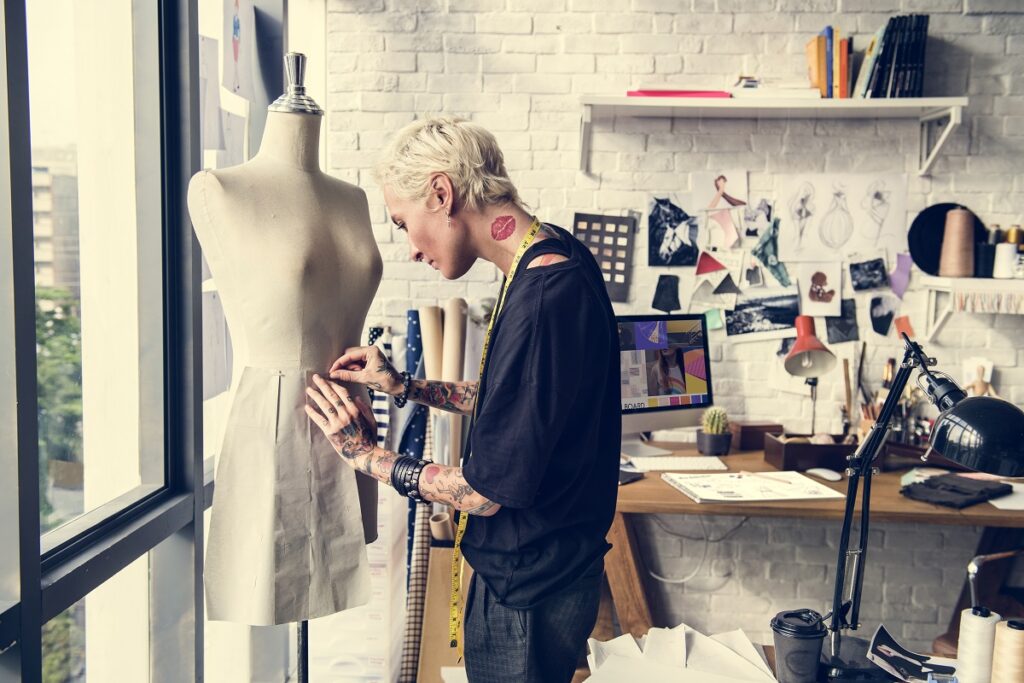
Try the sample on an appropriate fit model or use a properly prepared dress form. Check shoulder placement, sleeve length, body length, ease, movement, and overall proportions.
Test practical features as well. Check whether closures work correctly, pockets are positioned comfortably, seams are secure, and the garment remains comfortable during movement.
You may need several rounds of revisions. Adjust the measurements, fabric, stitching, or construction details and request another sample when necessary.
Testing is especially important for garments that involve unusual silhouettes, complex construction, stretch materials, or fitted shapes.
Although sampling adds time and expense, it can prevent more costly mistakes during bulk production.
Establish Sizing and Fit Standards
Sizing is a critical part of clothing design because customers expect garments to fit consistently.
Determine the size range you intend to offer and create a measurement chart for each style. Depending on the garment, measurements may include chest, waist, hip, shoulder width, sleeve length, inseam, and total garment length.
Distinguish between body measurements and garment measurements. Body measurements describe the wearer, while garment measurements describe the finished clothing item. The difference between them helps determine how loose or fitted the garment will be.
Test your designs on suitable fit models and review the results across the intended size range. Do not assume that simply increasing every measurement proportionally will produce a good fit in all sizes.
For a more consistent customer experience, document your approved fit standards and compare future samples against them.
Production and Manufacturing
Once your designs and samples are approved, you can prepare for manufacturing. Choosing the right production partner and establishing quality standards are essential for producing garments that meet your expectations.
Choose the Right Manufacturer
Manufacturers differ in their production capabilities, minimum order quantities, prices, communication practices, and areas of specialization.
Some factories focus on basic T-shirts and hoodies, while others specialize in denim, tailoring, sportswear, or complex garments. Look for a manufacturer whose experience matches the products you want to create.
Ask potential partners about their minimum order quantity, sample fees, production lead times, payment terms, material sourcing, customization options, and quality control procedures.
Request examples of previous work when available. Evaluate stitching, finishing, measurement accuracy, and overall workmanship.
Do not select a manufacturer based on price alone. A low quote may exclude important services, use materials that do not meet your requirements, or involve longer production times.
Start with a clear written agreement covering product specifications, quantities, costs, deadlines, payment terms, and how defects will be handled.
If you are launching your first clothing line, consider a small production run or an appropriate low-minimum-order supplier. This can help you test demand without committing too much money to inventory.
Establish Quality Control Procedures
Quality control ensures that finished garments meet your design specifications and remain consistent across the production run.
Before manufacturing begins, establish clear standards for measurements, stitching, fabric quality, color, printing, labels, and finishing.
Inspect samples before approving bulk production. During production, arrange appropriate checks to identify problems early. When the finished garments are ready, inspect representative items or use a documented inspection process suitable for the order size.
Look for issues such as loose threads, uneven seams, incorrect measurements, stains, inconsistent colors, damaged closures, and misplaced graphics.
You should also check whether the garment matches the approved sample. If the production version differs significantly, document the issue and discuss corrective action with the manufacturer.
Keep records of inspection results, approved samples, and any changes made during production. These records can help resolve disputes and improve future orders.
Quality control is particularly important when customers expect consistent products across different sizes and repeat purchases.
Plan Your Production Budget
Your production budget should account for more than the cost of fabric and sewing.
Depending on the product and manufacturing arrangement, expenses may include design development, pattern making, sampling, grading, materials, trims, labels, printing, packaging, shipping, duties, and quality inspections.
Calculate the estimated cost per garment and compare it with your intended retail price. Consider additional business expenses such as website fees, marketing, payment processing, storage, returns, and taxes where applicable.
For example, a garment that costs a certain amount to manufacture may require a substantially higher selling price to cover the other expenses associated with running the business.
Avoid committing your entire budget to production. Reserve funds for marketing, unexpected costs, shipping delays, and replenishing products that sell well.
Careful budgeting helps you determine whether your collection is financially realistic before you place a large order.
Branding and Marketing
A well-designed clothing line needs a recognizable identity and a clear way to reach customers. Branding and marketing help communicate what makes your collection valuable and encourage people to explore your products.
Develop Your Branding Elements
Your branding elements should reflect the character of your clothing line. These include your logo, color palette, typography, product labels, packaging, photography, and written messaging.
Start by defining the personality you want your brand to communicate. A minimalist label might use restrained typography, neutral colors, and simple packaging. A streetwear brand might use bold graphics, distinctive lettering, and expressive photography.
Apply these elements consistently across your products, website, social media accounts, packaging, and promotional materials.
Your garment labels should also provide the required or appropriate product information, such as size, fiber content, and care instructions, depending on the market and applicable regulations.
A consistent brand identity helps customers recognize your clothing and understand what your business represents.
Create a Marketing Strategy
A marketing strategy explains how you will introduce your clothing line, attract potential customers, and encourage sales.
Begin by identifying the channels your target audience uses. These might include Instagram, TikTok, Pinterest, email newsletters, online marketplaces, or fashion-related communities.
Develop content that communicates your products’ features and the ideas behind the collection. You could share design sketches, fabric selection, sample development, styling suggestions, production details, and finished product photography.
High-quality product images are particularly important for online clothing sales. Show garments from different angles and provide useful information about fit, fabric, sizing, and care.
You can also work with creators or influencers whose audiences align with your brand. Choose collaborators based on relevance and credibility rather than follower count alone.
Plan your promotional activities around your launch date. Teasers, product previews, email sign-ups, and behind-the-scenes content can help build interest before products become available.
Set a realistic marketing budget and track results such as website visits, conversion rates, sales, and customer acquisition costs. Use these results to improve future campaigns.
Build a Strong Online Presence
An online presence helps customers discover your clothing line and learn about your products.
You can create an e-commerce website using a platform suited to your budget and technical needs. Alternatively, you may begin with a suitable online marketplace or social commerce channel before developing a dedicated store.
Your product pages should include clear photographs, accurate descriptions, size information, prices, available colors, shipping details, and return policies.
Make the purchasing process straightforward. Customers should be able to understand how to place an order, pay securely, and contact you if they have questions.
Your website should also communicate your brand story and provide clear information about the business.
Before launch, test the website on mobile devices, check that product links work, and verify that checkout and order notifications function correctly.
A professional online store helps customers shop with confidence and provides a central place to showcase your collection.
Launch and Distribution
Launching your clothing line involves more than announcing that your products are available. You must ensure that customers can find, purchase, receive, and evaluate your garments.
Establish Your E-Commerce Sales Channel
An e-commerce store allows you to sell directly to customers and maintain greater control over product presentation, pricing, and customer communication.
Before launch, confirm that your inventory is ready, product descriptions are accurate, payment methods work, and shipping arrangements are in place.
Set clear policies for delivery times, exchanges, returns, and customer service. These policies should reflect your actual business operations and applicable consumer protection requirements.
You should also decide how orders will be packed, stored, and dispatched. If you manage fulfillment yourself, establish a simple process for tracking inventory, preparing orders, and updating customers.
For a first collection, consider launching a limited assortment rather than offering too many products at once. This can make inventory management easier and help you understand which designs attract the most interest.
Monitor sales after launch and use the results to guide future production. Products that perform well may deserve replenishment, while slower-selling designs may require better presentation or a revised strategy.
Explore Retail Partnerships and Pop-Up Shops
Selling through boutiques, department stores, or pop-up shops can introduce your clothing line to customers who might not discover it online.
Independent boutiques may be particularly useful for emerging brands whose aesthetic fits the store’s customer base. Pop-up shops can also allow customers to experience the garments in person, assess the fabric, and try different sizes.
Before approaching a retailer, prepare a professional product catalog, wholesale price list, product photographs, size information, and details about your production capabilities.
Understand the difference between wholesale and consignment arrangements. In wholesale, a retailer generally purchases inventory from your business for resale. Under consignment, payment terms depend on whether the products sell and on the agreement between both parties.
Consider the financial implications carefully. Wholesale prices are usually lower than direct retail prices, so your production costs must allow for a workable margin.
Start with a manageable number of retail partners and ensure that you can fulfill orders reliably before expanding distribution.
Evaluate Your First Collection and Plan for Growth
Your first launch provides valuable information about your products, customers, and business operations.
Review which styles sold well, which sizes were popular, which products received the most feedback, and where customers encountered problems. Consider both sales data and customer comments when evaluating performance.
If a design sells slowly, investigate possible reasons before abandoning it. The issue might involve pricing, product photography, marketing, fit, or limited customer awareness.
Gather feedback about comfort, durability, sizing, and overall satisfaction. These insights can help you refine future designs and improve your manufacturing specifications.
Use your findings to decide whether to restock successful products, revise existing designs, or introduce new items.
Growth should be based on evidence and available resources rather than pressure to expand quickly. Building a reliable clothing line often requires several rounds of testing, learning, and improvement.
Conclusion
Designing a clothing line requires creativity, research, technical planning, and business discipline. From defining your brand identity and studying your target market to developing prototypes, selecting manufacturers, and launching your products, each stage contributes to the success of your collection.
Start with a clear concept and a manageable number of designs. Focus on creating garments that reflect your brand’s identity, meet customer needs, and can be produced at a sustainable cost.
Test your ideas through samples, establish quality standards, and build a marketing strategy that communicates your products’ value. After launch, use sales data and customer feedback to improve your next collection.
You do not need to create a large collection or invest heavily from the beginning. A focused launch, thoughtful design decisions, and consistent attention to quality can provide a strong foundation for building a clothing brand over time.
Key Takeaways:
- Define your brand identity, target market, and unique selling proposition before designing products.
- Research competitors, consumer preferences, and fashion trends to identify market opportunities.
- Use sketches and mood boards to develop a consistent collection concept.
- Choose fabrics based on comfort, durability, appearance, availability, and cost.
- Prepare technical drawings, specifications, and measurement charts for manufacturers.
- Develop and test samples before committing to full production.
- Choose reliable manufacturing partners and establish clear quality control procedures.
- Budget for sampling, production, packaging, shipping, marketing, and other operating expenses.
- Build a consistent brand identity and promote your collection through appropriate channels.
- Launch with a manageable assortment, evaluate customer feedback, and use sales results to guide future growth.
Elevate your clothing line design knowledge with Parsons Streetwear Essentials for expert guidance in fashion design and marketing.