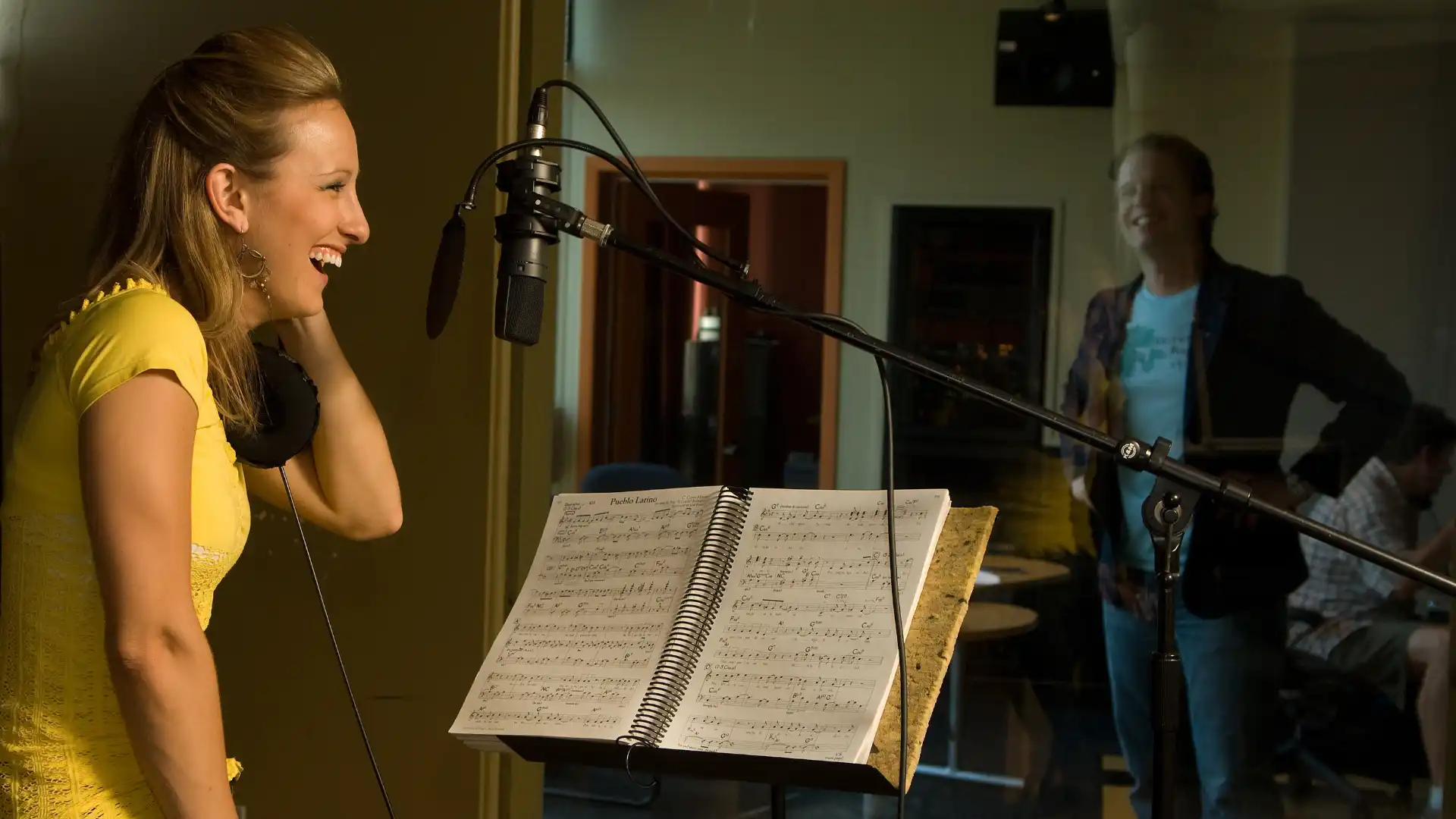
Singing classical music requires precision, proper technique, and artistic expression. Whether you are a beginner or an experienced vocalist, developing your classical singing skills can help you produce a more controlled, resonant, and expressive sound. Classical singing also requires an understanding of musical structure, breath support, diction, and interpretation. With consistent practice and the right approach, you can improve your technique and perform classical pieces with greater confidence.
Understanding Classical Music
Classical music has a long history of rich compositions, complex melodies, and expressive performances. Understanding its characteristics can help singers interpret pieces more accurately and communicate their meaning to listeners.
Embrace Tradition
Classical music includes works by renowned composers such as Mozart, Bach, and Beethoven. Their compositions reflect different musical periods, styles, and artistic traditions. Learning about the composer and the background of a piece can help you understand its intended mood, structure, and performance style.
As you study a classical song, listen to different interpretations and observe how singers approach phrasing, dynamics, and expression. Use these performances as learning references while developing your own musical understanding.
Musical Structure
Classical compositions often feature carefully arranged melodies, harmonies, rhythms, and dynamic changes. Singers must pay attention to these elements to perform the music accurately.
Study the score before singing. Identify changes in tempo, key, rhythm, and volume. Understanding how the melody develops will help you anticipate challenging passages and maintain consistency throughout the performance.
Vocal Technique
Classical singing emphasizes breath control, vocal resonance, clear diction, and smooth phrasing. These techniques help singers produce a supported sound that carries well without unnecessary tension.
Unlike styles that rely heavily on microphones or contemporary vocal effects, many classical performances require the singer to develop efficient vocal production and appropriate projection for the performance space. A qualified vocal teacher can help you develop these skills safely and effectively.
Developing Your Voice for Classical Singing
Building a strong classical singing technique takes patience and regular practice. Before attempting difficult arias or long musical passages, focus on developing healthy vocal habits and improving your control.
Vocal Warm-Ups
Begin each practice session with gentle vocal warm-ups. Simple humming, lip trills, and comfortable scales can help prepare your voice for singing.
Start in a comfortable range and gradually move through different pitches without forcing your voice. Warm-ups should feel relaxed rather than tiring. Avoid immediately attempting high notes or singing loudly before your voice is ready.
Breathing Exercises
Proper breath support is essential for sustaining long phrases and maintaining a steady tone. Classical singers need to coordinate their breathing with their vocal production to sing comfortably and expressively.
Practice breathing quietly and allowing your lower ribs and abdomen to expand naturally during inhalation. Then release the air gradually while humming or singing a sustained note. Avoid lifting your shoulders or holding unnecessary tension in your neck.
With consistent practice, you can improve your ability to manage breath during long phrases and challenging musical passages.
Posture and Alignment
Good posture helps you breathe freely and produce a more balanced sound. Stand with your feet comfortably apart, your knees relaxed, and your shoulders loose. Keep your head balanced over your body rather than pushing your chin forward or lifting it excessively.
Your body should feel stable but not stiff. Avoid locking your knees or tightening your abdominal muscles unnecessarily. Relaxed alignment allows your breathing and vocal muscles to work more efficiently.
Techniques for Classical Singing
Classical singing involves several important techniques that help create a smooth, clear, and expressive performance. Practicing these skills individually can make challenging pieces easier to manage.
Legato
Legato means singing notes smoothly and connecting them into a continuous musical line. This technique is important in classical music because it helps melodies sound flowing rather than disconnected.
To practice legato, sing a simple scale slowly and aim for an even tone between notes. Avoid unnecessary breaks in the airflow or sudden changes in vocal quality. Remember that smooth singing does not mean ignoring consonants; pronounce the words clearly while maintaining the musical line.
Vibrato
Vibrato is a natural, gentle variation in pitch that can add warmth and richness to the voice. In classical singing, it should develop through balanced vocal coordination rather than forced movement of the jaw, tongue, or throat.
Focus first on producing a comfortable, steady tone. With proper technique, vibrato may develop naturally as your voice becomes more coordinated. Do not force it or attempt to imitate another singer’s vibrato. A qualified vocal teacher can help you determine whether your vibrato is developing healthily.
Articulation
Articulation refers to how clearly you pronounce the sounds and words in a song. Classical singers often perform music in languages such as Italian, German, French, and Latin, so accurate pronunciation is an important part of the performance.
Learn the correct pronunciation of the lyrics before focusing on the entire song. Pay attention to vowel sounds, consonants, syllable stress, and the natural rhythm of the language. Clear articulation allows listeners to understand the text without sacrificing vocal quality or musical flow.
Interpreting Classical Repertoire
Technical accuracy is only one part of classical singing. A compelling performance also communicates the emotions, ideas, and meaning behind the music. Careful interpretation helps you connect the composer’s intentions with your own understanding of the piece.
Musical Expression
Before performing a classical song, study its lyrics, historical background, and emotional meaning. Consider the speaker’s feelings, the situation being described, and the message the music communicates.
For instrumental works adapted for voice, examine the musical mood and structure to guide your interpretation. Use changes in tone, phrasing, and intensity to express the character of the piece while remaining faithful to its style.
Dynamic Contrast
Dynamics refer to changes in loudness and softness. Classical music often uses these contrasts to build tension, highlight important words, and create emotional depth.
Practice singing passages at different dynamic levels while maintaining good vocal support and a consistent tone. Do not confuse singing softly with losing support or singing loudly with forcing your voice. Follow the dynamic markings in the score and make changes gradually when the music calls for them.
Musical Phrasing
Musical phrasing is the way a singer shapes a group of notes into a meaningful musical idea. Effective phrasing helps a performance sound natural and expressive rather than like a series of separate notes.
Study the score for breathing marks, musical punctuation, changes in harmony, and expressive instructions. Plan your breaths carefully so they support the musical meaning without interrupting important words or phrases. Listen for where a melody builds, relaxes, or reaches a point of emphasis.
Thoughtful phrasing helps communicate the story of the music and makes your performance more engaging.
Conclusion
Learning to sing classical music requires a balance of technique, musical understanding, and artistic expression. By practicing proper breathing, posture, legato, vibrato, articulation, and phrasing, you can gradually develop greater vocal control and confidence. Study the music carefully, practice consistently, and seek guidance from a qualified vocal teacher when possible. Most importantly, prioritize vocal health and allow your technique to develop naturally over time.
Key Takeaways:
- Study the music’s structure, style, and meaning.
- Practice warm-ups, breathing, and proper posture.
- Develop smooth phrasing, clear diction, and natural vibrato.
- Follow dynamic markings and express the music’s emotions.
- Practice consistently and protect your vocal health.
Consider enrolling in the Juilliard Voice Performance Fundamentals online course for advanced training in classical vocal performance.