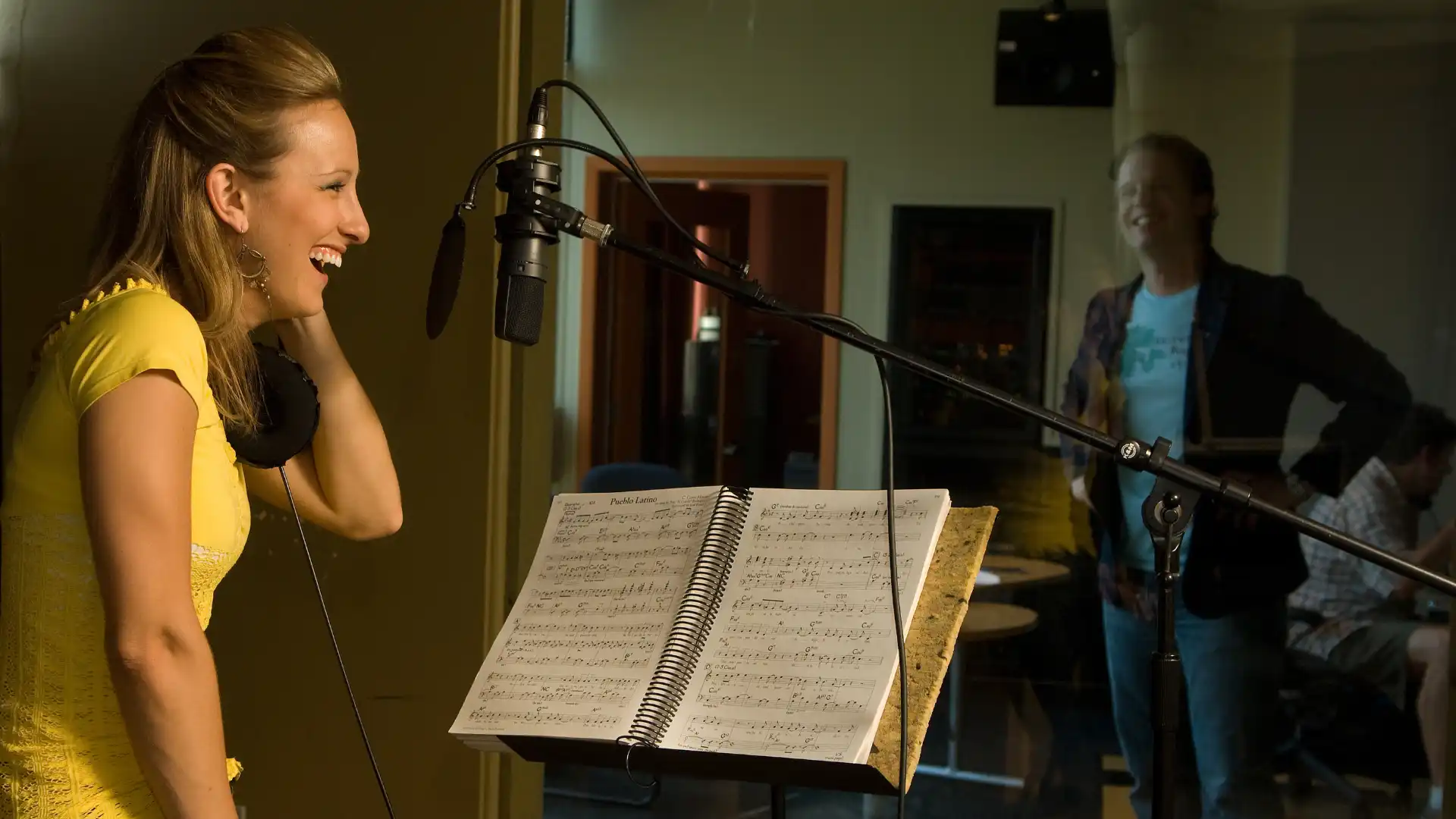
Pop singing combines vocal technique, emotional expression, and personal style to create memorable performances. Unlike styles that focus mainly on traditional vocal power, pop music often emphasizes clear lyrics, catchy melodies, distinctive vocal tones, and expressive delivery. Whether you are a beginner or an experienced singer, developing the right techniques can help you strengthen your voice, discover your unique sound, and connect with your audience.
Understanding Pop Singing
Pop singing is known for its contemporary sound, melodic focus, and expressive vocal delivery. Understanding the characteristics of this style can help you develop the skills needed to perform pop songs effectively.
Vocal Style
Pop singing includes a wide range of vocal approaches, from soft and breathy tones to powerful belts and smooth, rhythmic phrasing. The style often emphasizes recognizable melodies, natural-sounding delivery, and distinctive vocal characteristics. Listen to different pop singers to understand how they use tone, rhythm, and phrasing, then experiment with techniques that suit your voice without imitating others too closely.
Expression
Emotional expression is an important part of pop singing. Singers communicate feelings through vocal tone, phrasing, dynamics, and changes in intensity. Practice identifying the emotions behind a song and consider how your delivery can reflect them. A sincere, well-controlled performance often creates a stronger connection with listeners than simply singing every note loudly.
Essential Techniques for Pop Singing
Strong pop vocals depend on good technical foundations. Breath control, vocal range, and clear articulation help you perform melodies accurately while maintaining a comfortable and consistent sound.
Breath Control
Breath control helps you sustain notes, complete musical phrases, and manage changes in volume. Practice relaxed breathing that allows your lower ribs and abdomen to expand naturally. Release the air steadily as you sing rather than pushing it forcefully.
When practicing a pop song, identify where you need to breathe before each phrase. Begin with short sections and gradually connect them. Avoid taking unnecessarily large breaths or holding a note longer than you can comfortably manage.
Vocal Range
Developing your vocal range allows you to explore different melodies and perform a wider variety of pop songs. Begin with gentle warm-ups, comfortable scales, and pitch slides before attempting challenging high or low notes.
Expand your range gradually instead of forcing notes that cause tension. If a song sits outside your comfortable range, consider changing its key. A well-supported, comfortable performance is often more effective than reaching a difficult note at the expense of vocal quality.
Articulation
Clear articulation makes lyrics easier to understand and strengthens the impact of a performance. Practice consonants and vowels carefully while keeping your jaw and tongue relaxed. Pay attention to word endings, especially during fast passages, so that the lyrics remain clear without interrupting the rhythm.
For songs with quick lyrics, start slowly and increase the tempo as your pronunciation improves. The goal is to maintain clarity while keeping the delivery natural and musical.
Emotional Connection in Pop Singing
Pop songs often tell stories about love, relationships, personal experiences, and everyday emotions. Connecting with the meaning of a song helps you deliver a more convincing performance and build a stronger relationship with your audience.
Connecting with Lyrics
Before singing a song, read its lyrics and identify the main message. Consider the speaker’s feelings, the situation being described, and the changes in emotion throughout the song. This understanding can guide your phrasing, tone, and vocal intensity.
Practice singing the lyrics as if you were telling someone a story. Emphasize important words naturally and avoid adding excessive emotion to every line. The contrast between softer and stronger moments can make the performance more meaningful.
Stage Presence
Stage presence refers to the way you carry yourself and communicate with an audience during a performance. Facial expressions, gestures, posture, and purposeful movement can make your singing more engaging.
Practice performing in front of a mirror or recording yourself to observe your body language. Choose movements that match the mood and rhythm of the song. Avoid gestures that feel forced or distract from the lyrics.
Confidence
Confidence allows you to perform with conviction and communicate the message of a song more effectively. Build confidence by practicing regularly, learning the lyrics thoroughly, and rehearsing challenging sections before performing.
Recording yourself or singing for a small, supportive audience can help you become more comfortable. Remember that confidence does not require perfection. Focus on delivering the song sincerely and recovering calmly if you make a mistake.
Improving Vocal Tone and Quality
A distinctive vocal tone can help a pop singer develop a recognizable style. Learning to control resonance, maintain vocal health, and vary vocal dynamics can improve the quality and expressiveness of your performances.
Tone Production
Vocal tone refers to the quality or character of your voice. Pop singers may use bright, warm, soft, breathy, or powerful tones depending on the song and their personal style. Experiment with different sounds at a comfortable volume while maintaining relaxed vocal production.
Listen to how resonance and phrasing affect your sound. Rather than forcing an artificial tone, develop a style that suits your natural voice and the musical choices you want to make.
Vocal Health
Maintaining vocal health is essential for consistent singing. Drink water regularly, warm up before demanding practice, and take breaks when your voice becomes tired. Avoid shouting, excessive vocal effort, and singing through pain or persistent hoarseness.
Adequate rest is especially important after long rehearsals or performances. If you experience recurring voice problems, consult an ear, nose, and throat specialist or another qualified voice professional.
Vocal Dynamics
Vocal dynamics involve changing volume and intensity to create contrast and emotion. Instead of singing every line at the same volume, consider which parts should sound gentle, restrained, powerful, or intense.
Practice singing a phrase softly, gradually increasing the volume, and then returning to a softer sound. Keep your throat relaxed and avoid treating loudness as a substitute for expression. Thoughtful dynamic changes can make a pop performance more engaging.
Developing Style and Versatility
Pop music includes many subgenres and performance approaches. Exploring different sounds and developing vocal flexibility can help you identify your strengths and adapt to different musical styles.
Genre Exploration
Experiment with different pop subgenres, including R&B-influenced pop, electronic pop, indie pop, and acoustic pop. Each style may emphasize different qualities, such as rhythmic precision, smooth phrasing, layered harmonies, or a more intimate vocal delivery.
Listen carefully to the vocal techniques used in each genre. Try singing songs with different rhythms and moods to discover what feels natural to your voice. Use these experiences to develop your own musical identity rather than copying another singer’s sound.
Vocal Flexibility
Vocal flexibility allows you to move smoothly between notes, rhythms, and styles. Practice scales, gentle pitch slides, short melodic patterns, and comfortable changes in vocal intensity. These exercises can improve coordination and help you approach different musical passages with greater control.
For pop songs with runs or melodic embellishments, learn each note slowly before increasing the speed. Keep the movements relaxed and accurate instead of forcing rapid changes. Simple, well-executed runs often sound better than complicated ones performed without control.
Recording Techniques
Understanding basic recording techniques can help you produce clearer and more polished pop vocals. Begin by choosing a quiet recording space, positioning the microphone consistently, and maintaining a comfortable distance from it. Avoid singing directly into the microphone at an angle that creates excessive breath noise or harsh plosive sounds.
Learn how to record multiple takes and select the strongest performances. Overdubbing, or recording additional vocal layers, can add harmonies and depth when used thoughtfully. However, recording techniques should support a solid vocal performance rather than replace proper pitch, timing, and vocal control.
Stage Performance and Audience Engagement
Live pop performances combine singing with communication, movement, and audience interaction. Developing these skills helps you deliver a performance that feels confident, coordinated, and memorable.
Connecting with the Audience
Audience connection begins with communicating the meaning of the song. Make natural eye contact, use facial expressions that fit the lyrics, and acknowledge the audience at appropriate moments. Avoid focusing on only one person or looking down throughout the entire performance.
Practice performing the song from beginning to end while imagining an audience in front of you. This can help you become more comfortable with eye contact and expressive delivery.
Movement and Choreography
Movement and choreography can complement the rhythm and energy of a pop song. Simple steps, gestures, and coordinated movements can make a performance more visually engaging, particularly for upbeat songs.
Start by mastering the vocals before adding complicated choreography. Practice the movements separately, then combine them with the song gradually. Make sure you can maintain comfortable breathing and vocal control while moving. Choose choreography that suits your ability and the demands of the performance.
Live Performance Skills
Live performance requires singers to manage their voice, microphone, movement, and interaction with the audience at the same time. Practice holding the microphone securely and keeping it at a consistent distance from your mouth. Move it slightly farther away during louder passages when appropriate, and avoid covering the microphone head.
Rehearse with backing tracks or live musicians so you can become comfortable with timing and musical cues. Learn how to recover from missed lyrics or technical problems without stopping the performance unnecessarily. Preparation and flexibility can help you remain composed onstage.
Conclusion
Mastering pop singing requires a combination of vocal technique, emotional expression, personal style, and performance skills. By developing breath control, improving articulation, exploring your vocal range, and practicing stage presence, you can build a stronger and more versatile voice. Consistent practice, proper vocal care, and a willingness to learn will help you grow as a singer while discovering the sound that makes your performances unique.
Key Takeaways:
- Develop breath control to support notes and musical phrases.
- Expand your vocal range gradually without forcing high or low notes.
- Practice clear articulation to make lyrics understandable.
- Understand the song’s meaning to communicate emotions naturally.
- Develop stage presence through purposeful movement and facial expressions.
- Experiment with vocal tones and dynamics to create a distinctive sound.
- Explore different pop subgenres to improve versatility.
- Learn basic microphone and recording techniques.
- Rehearse live performances while maintaining comfortable vocal technique.
- Protect your voice through warm-ups, hydration, breaks, and adequate rest.
Explore the Juilliard Voice Performance Fundamentals course for advanced training in pop singing techniques.