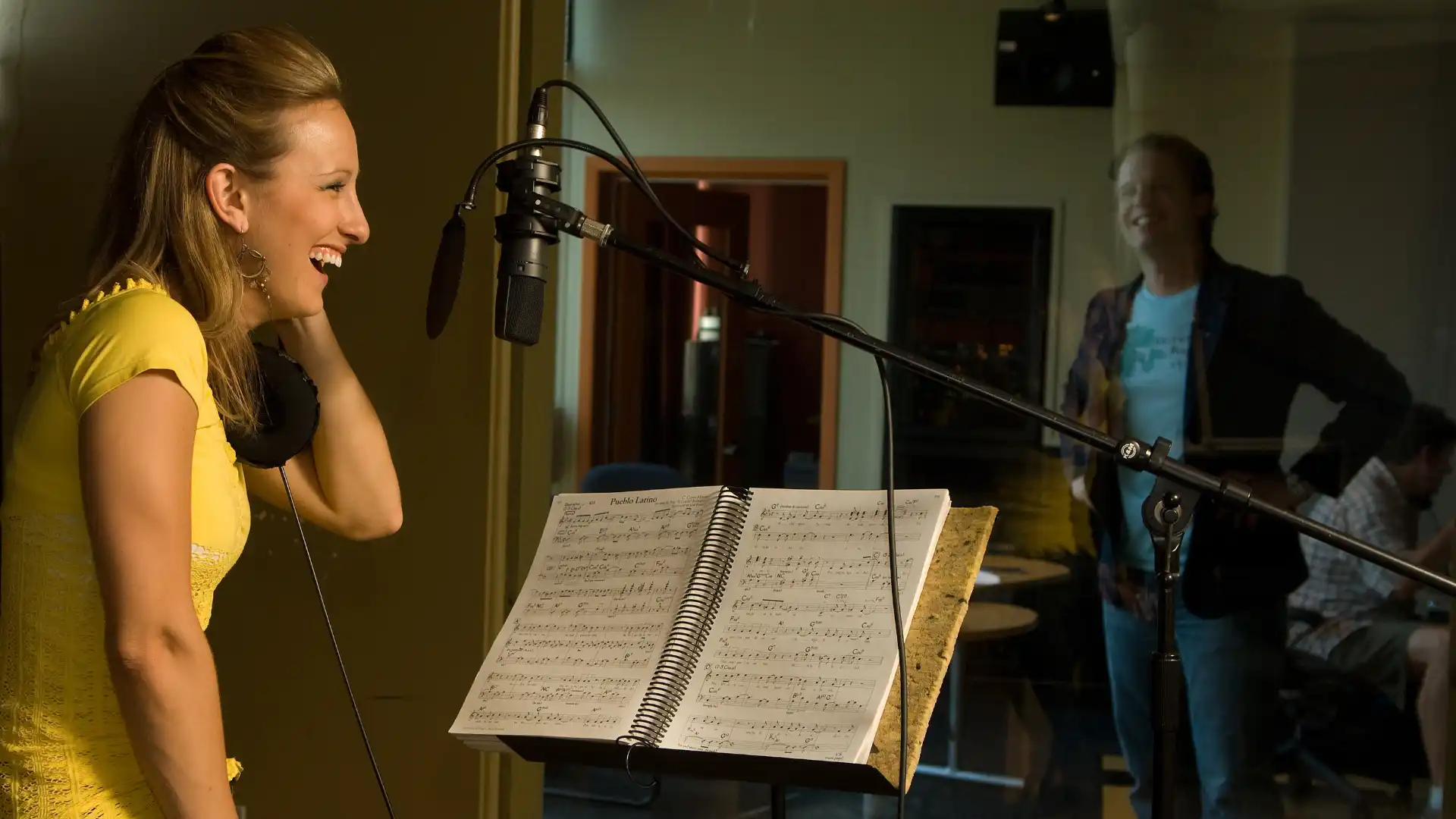
The Great American Songbook is a collection of memorable American popular songs, particularly those written from the 1920s through the 1950s. Many originated in Broadway musicals, Hollywood films, and Tin Pan Alley, becoming standards in jazz and traditional pop. Through their distinctive voices, musical interpretations, and unforgettable performances, legendary singers helped these songs reach generations of listeners. Let’s explore ten iconic artists whose contributions continue to influence singers and music lovers today.
1. Frank Sinatra: The Voice of Sophistication
Frank Sinatra, famously known as “Ol’ Blue Eyes,” became one of the most influential singers in American popular music. His smooth phrasing, precise timing, and ability to communicate the meaning of a lyric helped define the art of the traditional pop vocalist.
Signature Songs
- “Fly Me to the Moon” — A stylish performance that blends jazz influences with a polished pop sound.
- “My Way” — A powerful song about individuality, reflection, and personal choices.
Vocal Style and Legacy
Sinatra was known for his expressive phrasing and his ability to make lyrics sound like natural conversation. Rather than simply singing the melody, he shaped each line to communicate the song’s story. His interpretations of standards helped establish a model for singers who want to combine technical control with emotional expression.
2. Ella Fitzgerald: The First Lady of Song
Ella Fitzgerald earned the title “First Lady of Song” through her exceptional musicality, clear tone, and remarkable vocal flexibility. She became one of the most celebrated jazz singers of the twentieth century and helped popularize many songs associated with the Great American Songbook.
Signature Songs
- “Summertime” — A memorable interpretation of the aria from George Gershwin’s opera Porgy and Bess.
- “Cheek to Cheek” — A lively performance that showcases her rhythmic precision and playful delivery.
Vocal Style and Legacy
Fitzgerald was admired for her pitch accuracy, smooth phrasing, and improvisational skill. Her scat singing, which uses improvised syllables in place of conventional lyrics, demonstrated her ability to treat the voice like a musical instrument. Her celebrated songbook recordings also helped preserve and reinterpret the works of major American composers.
3. Nat King Cole: The Master of Smooth Vocals
Nat King Cole was known for his warm, mellow voice and relaxed delivery. Originally recognized as an accomplished jazz pianist and bandleader, he became a major recording artist whose interpretations of popular standards appealed to a wide audience.
Signature Songs
- “Unforgettable” — A romantic classic known for its gentle melody and intimate delivery.
- “Mona Lisa” — A popular song that highlights Cole’s smooth tone and controlled phrasing.
Vocal Style and Legacy
Cole’s singing was characterized by clarity, warmth, and restraint. He rarely needed excessive vocal power to communicate emotion, relying instead on careful phrasing and a natural conversational quality. His recordings remain useful examples of how simplicity and precise musical expression can create a lasting performance.
4. Billie Holiday: Lady Day
Billie Holiday, affectionately known as “Lady Day,” was a groundbreaking jazz vocalist celebrated for her deeply personal interpretations of songs. Her distinctive phrasing and emotional intensity made her performances instantly recognizable.
Signature Songs
- “Strange Fruit” — A haunting protest song that confronts the violence of racism in America.
- “God Bless the Child” — A song about independence and self-reliance that reflects Holiday’s expressive style.
Vocal Style and Legacy
Holiday did not rely primarily on a large vocal range or powerful volume. Instead, she used subtle timing, changes in phrasing, and emotional nuance to transform familiar melodies. Her ability to make lyrics feel personal influenced generations of jazz, blues, and popular singers.
5. Bing Crosby: The Voice of Warmth and Comfort
Bing Crosby was one of the most successful entertainers of the twentieth century. His relaxed singing style and warm baritone helped shape the sound of traditional pop and made him especially popular through radio, film, and recorded music.
Signature Songs
- “White Christmas” — One of the best-known holiday recordings in popular music history.
- “Swinging on a Star” — A lighthearted song that combines an appealing melody with conversational storytelling.
Vocal Style and Legacy
Crosby was admired for his effortless delivery, clear diction, and smooth phrasing. His relaxed approach helped make singing sound natural and intimate, while his work in radio and recording contributed to the development of modern popular vocal performance. His interpretation of “White Christmas” remains closely associated with holiday music.
6. Sarah Vaughan: The Divine One
Sarah Vaughan, often called “The Divine One,” was celebrated for her rich tone, broad vocal range, and sophisticated musicality. She became one of the leading jazz vocalists of her era, admired by audiences and fellow musicians alike.
Signature Songs
- “Misty” — A romantic standard that highlights Vaughan’s expressive tone and control.
- “Lullaby of Birdland” — A jazz favorite that demonstrates her agility and rhythmic sophistication.
Vocal Style and Legacy
Vaughan possessed a flexible voice that allowed her to move between deep, resonant notes and bright upper-register passages. Her precise intonation and inventive phrasing made complex melodies sound natural. She demonstrated how technical skill and musical imagination can work together to create a distinctive vocal identity.
7. Tony Bennett: The Art of Interpretation
Tony Bennett was renowned for his warm voice, polished phrasing, and enduring commitment to traditional American popular music. Across a career spanning several decades, he introduced classic songs to new audiences while maintaining the elegance associated with the Great American Songbook.
Signature Songs
- “I Left My Heart in San Francisco” — His signature recording, celebrated for its nostalgic and heartfelt delivery.
- “The Way You Look Tonight” — A romantic standard that showcases his smooth phrasing and interpretive skill.
Vocal Style and Legacy
Bennett emphasized storytelling, clear diction, and thoughtful musical choices. He demonstrated that a singer does not need elaborate vocal effects to make a song memorable. His performances often focused on the emotional meaning of the lyrics, helping listeners connect with the story behind each melody.
8. Judy Garland: The Voice Behind “Over the Rainbow”
Judy Garland became one of the most beloved entertainers of American film and music. Her performances combined emotional sincerity, theatrical expression, and a powerful ability to communicate vulnerability.
Signature Songs
- “Over the Rainbow” — Her iconic performance from the 1939 film The Wizard of Oz.
- “The Trolley Song” — An energetic musical number from the film Meet Me in St. Louis.
Vocal Style and Legacy
Garland was known for her expressive phrasing, clear diction, and dramatic interpretation. She could communicate hope, longing, joy, and sadness through changes in vocal intensity and delivery. Her performance of “Over the Rainbow” became one of the most enduring songs in American popular culture.
9. Dean Martin: The King of Laid-Back Crooning
Dean Martin combined a relaxed singing style with a charming stage presence. As a singer, actor, and entertainer, he became an important figure in traditional pop music and was associated with the Rat Pack, a group of entertainers that included Frank Sinatra and Sammy Davis Jr.
Signature Songs
- “Everybody Loves Somebody” — A romantic hit that became one of Martin’s best-known recordings.
- “Volare” — His popular interpretation of the Italian song “Nel blu, dipinto di blu.”
Vocal Style and Legacy
Martin’s warm baritone, smooth phrasing, and understated delivery gave his performances an easygoing character. He often made difficult vocal passages sound effortless, relying on relaxed timing and clear melodies. His style remains an example of how personality and natural delivery can contribute to a memorable performance.
10. Dinah Washington: The Queen of the Blues
Dinah Washington, widely known as the “Queen of the Blues,” was celebrated for her powerful voice, expressive phrasing, and ability to move between jazz, blues, and traditional pop. Her versatility helped her reach audiences across several musical styles.
Signature Songs
- “What a Diff’rence a Day Makes” — A polished performance that showcases her emotional range and vocal control.
- “Teach Me Tonight” — A jazz and pop standard that highlights her clear diction and expressive delivery.
Vocal Style and Legacy
Washington combined strong vocal projection with precise articulation and emotional depth. Her interpretations often balanced the expressive qualities of blues with the melodic elegance of traditional pop. Her ability to adapt to different styles demonstrated the importance of versatility without losing a recognizable vocal identity.
Why the Great American Songbook Still Matters
The Great American Songbook continues to influence singers because its songs offer opportunities to develop interpretation, phrasing, rhythm, and emotional expression. Although many of these standards originated decades ago, their melodies and lyrics remain adaptable to jazz, pop, swing, and contemporary arrangements.
Studying the recordings of these legendary performers can help modern singers understand how different vocal approaches shape a song. Comparing their interpretations of similar standards can also reveal how timing, tone, dynamics, and phrasing influence the listener’s experience.
Lessons Singers Can Learn from These Legends
The careers of these artists offer valuable lessons for singers who want to improve their technique and develop their own musical identity.
- Study phrasing: Notice how singers shape individual lines instead of simply following the melody.
- Prioritize storytelling: Understand the lyrics and communicate their meaning through your delivery.
- Develop your own style: Learn from influential performers without copying every detail of their sound.
- Practice musical accuracy: Work on pitch, rhythm, diction, and consistent tone.
- Explore different genres: Listen to jazz, swing, blues, and traditional pop to broaden your musical understanding.
- Use dynamics thoughtfully: Change volume and intensity to support the emotion of the song.
- Value interpretation: Remember that a memorable performance depends on more than vocal range or power.
Conclusion
The Great American Songbook represents an important chapter in the history of American popular music. Frank Sinatra, Ella Fitzgerald, Nat King Cole, Billie Holiday, Bing Crosby, Sarah Vaughan, Tony Bennett, Judy Garland, Dean Martin, and Dinah Washington each brought distinctive qualities to the songs they performed. Their recordings continue to inspire singers through their musicality, storytelling, and expressive delivery. By studying these artists, modern performers can learn how to interpret classic songs while developing a style of their own.
Key Takeaways:
- The Great American Songbook preserves classic American popular songs.
- Legendary singers made these songs timeless through unique interpretations.
- Phrasing, tone, and dynamics shape memorable performances.
- Emotional expression strengthens a singer’s connection with listeners.
- Studying vocal legends helps singers develop their own style.
Consider the Juilliard Voice Performance Fundamentals course for advanced training in vocal techniques.