Dance composition is the art of crafting and structuring movement sequences to create meaningful and expressive choreography. In this comprehensive guide, we will delve into the intricacies of dance composition, exploring its elements, techniques, and significance in the world of dance.
The Essence of Dance Composition
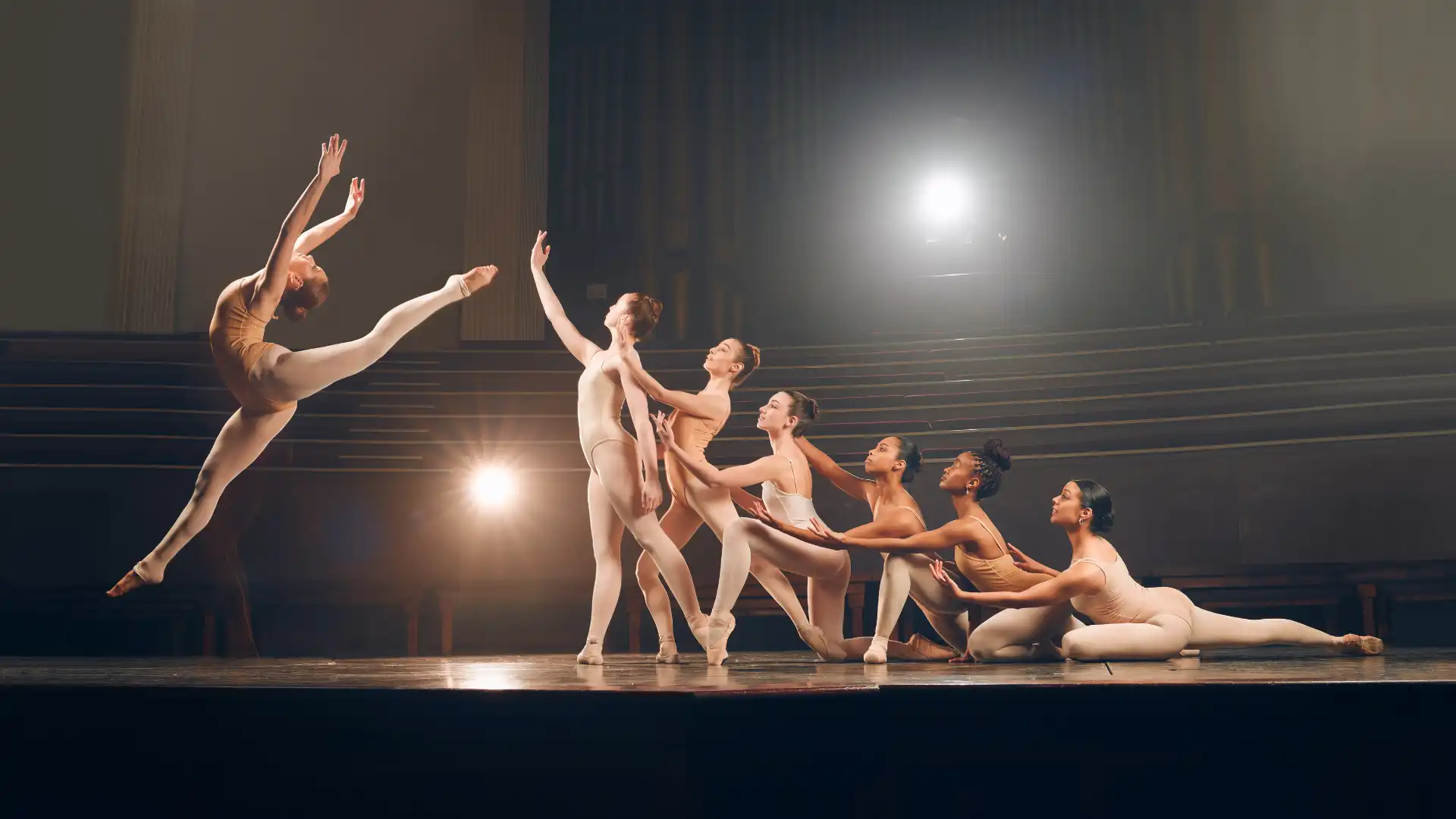
At its core, dance composition involves the thoughtful arrangement of movement phrases, formations, dynamics, and spatial relationships to convey artistic intention and evoke emotional responses from viewers. Choreographers use a combination of technical skill, creativity, and artistic vision to shape the narrative and aesthetic of a dance piece through composition.
Elements of Dance Composition
Several key elements contribute to the composition of a dance piece, including:
- Space: Utilizing the performance space creatively to define pathways, levels, and groupings of dancers for visual impact.
- Time: Manipulating tempo, rhythm, and phrasing to create dynamic and engaging sequences that flow cohesively.
- Energy: Infusing movements with varying degrees of energy, tension, and dynamics to convey emotion and intensity.
- Form: Structuring the choreography with a clear beginning, middle, and end to establish a cohesive narrative arc and visual structure.
Techniques in Dance Composition
Choreographers employ a range of techniques to develop and refine their choreographic ideas, such as:
- Improvisation: Exploring movement spontaneously to generate new ideas and discover unique sequences.
- Laban Movement Analysis: Using Laban’s framework to analyze and categorize movement qualities for intentional choreographic choices.
- Theme and Variation: Developing motifs and themes that are then manipulated and repeated with variations throughout the choreography.
- Collaboration: Working closely with dancers, composers, designers, and other collaborators to integrate multiple artistic elements into the choreographic process.
Significance of Dance Composition
Dance composition plays a vital role in the creation of compelling and impactful dance works. It allows choreographers to communicate their artistic vision, explore themes and concepts, and engage audiences on a visceral and emotional level through the power of movement and storytelling.
Conclusion
Dance composition combines movement, space, time, energy, and form to transform creative ideas into meaningful choreography. By experimenting with different techniques and collaborating with others, choreographers can develop expressive works that communicate emotions, tell stories, and connect with audiences. Mastering dance composition ultimately provides a strong foundation for creating dynamic and memorable performances.
Key Takeaways:
- Dance composition involves arranging movements to convey artistic intention and evoke emotions.
- Space, time, energy, and form are essential components in crafting impactful choreography.
- Techniques like improvisation, Laban Movement Analysis, theme and variation, and collaboration enhance the choreographic process.
Explore the Juilliard Dance Choreography Essentials online course and certificate program by Yellowbrick for expert guidance in creating meaningful and expressive choreography.