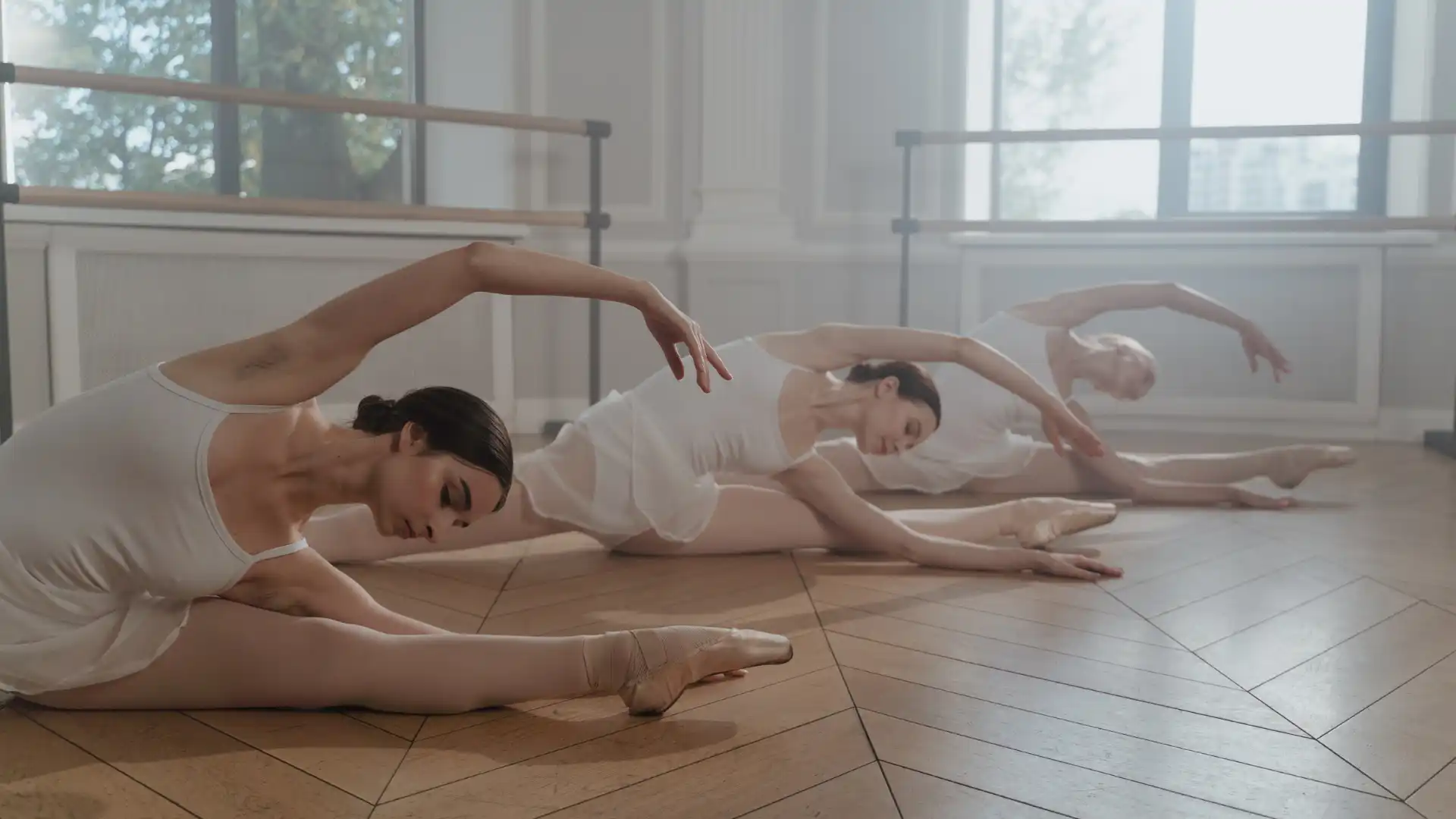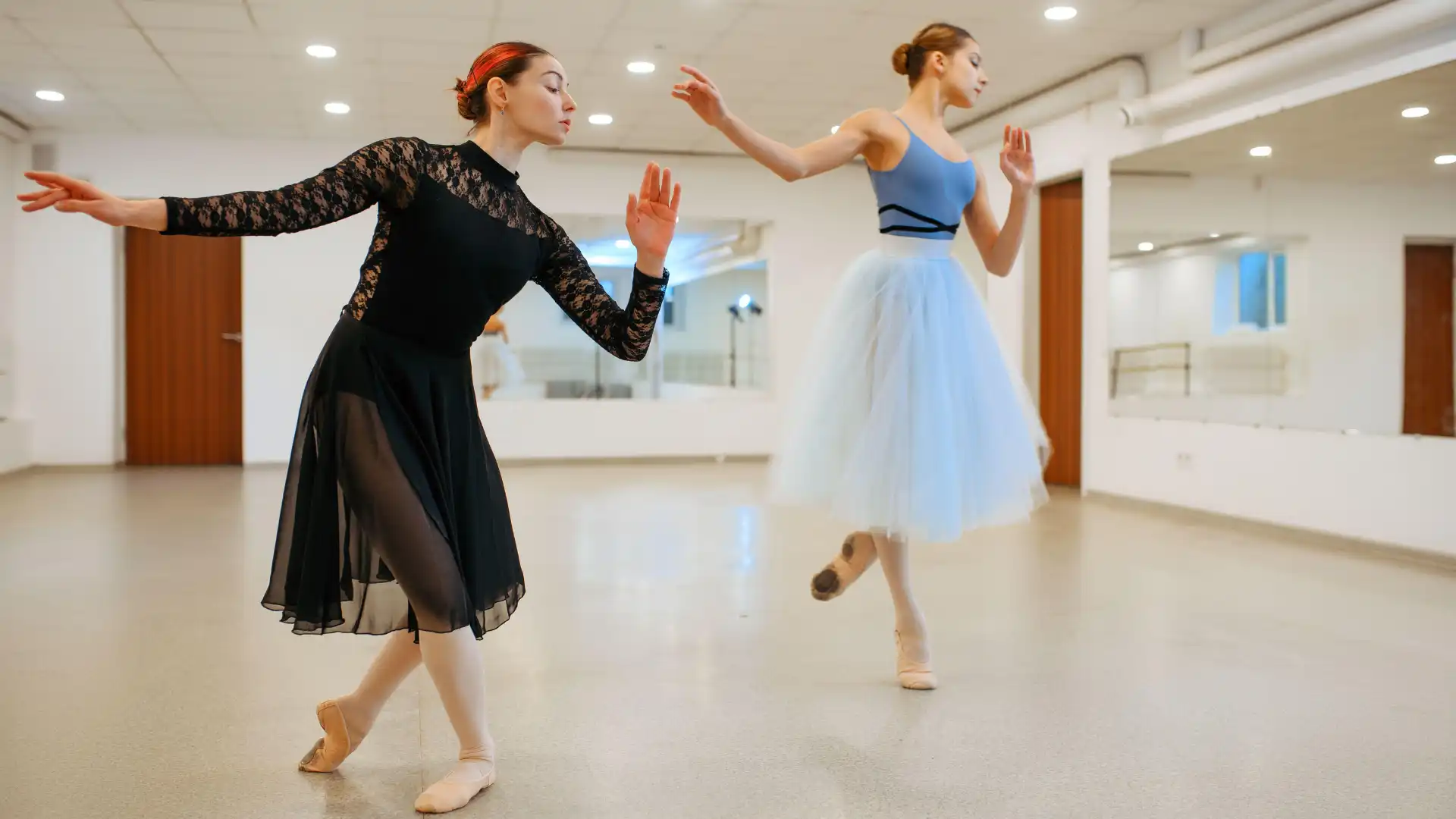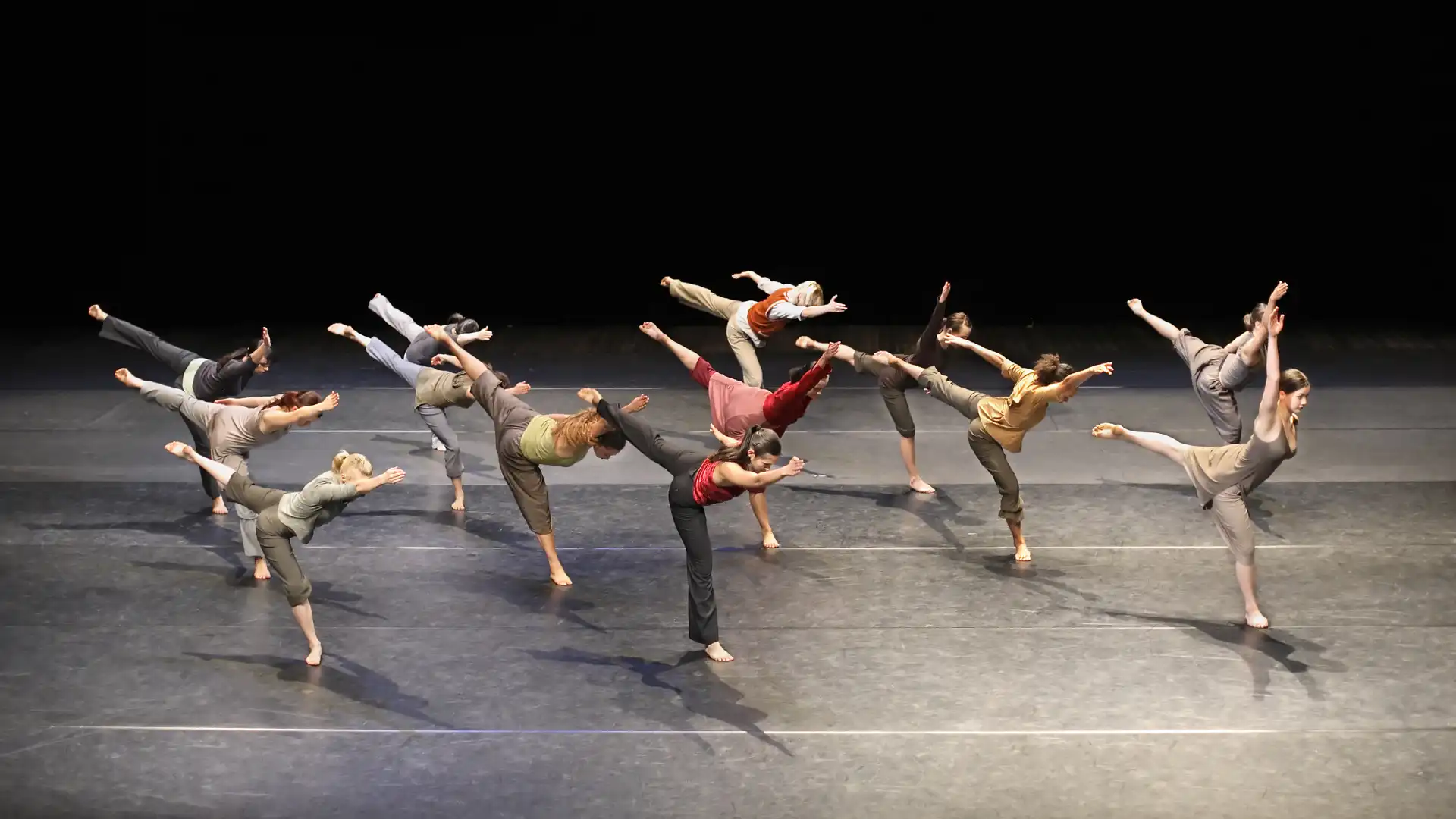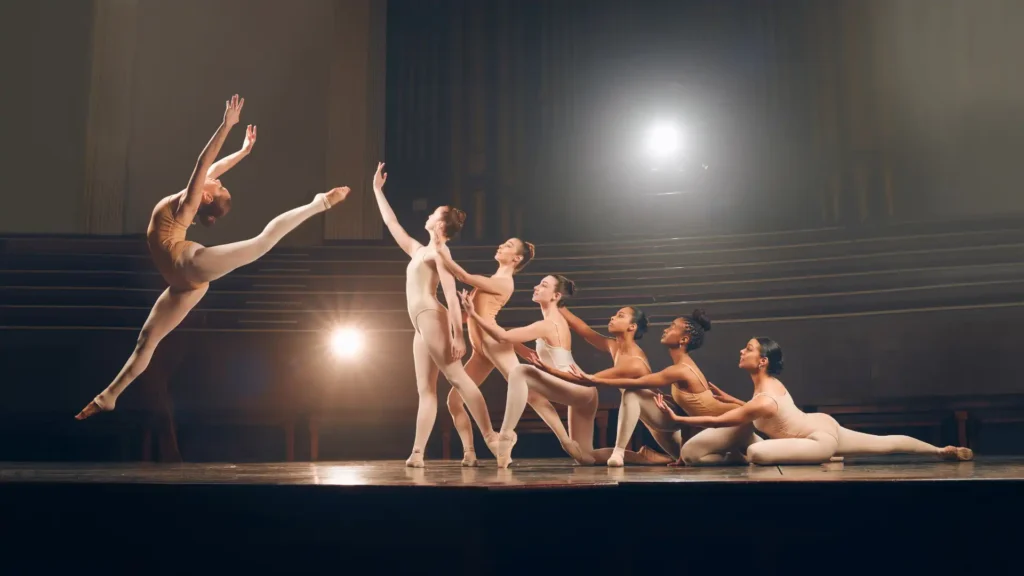
Lyrical dance choreography blends the fluidity and grace of ballet with the expressiveness of contemporary dance, creating a mesmerizing fusion of movement and emotion. In this in-depth guide, we will delve into the art of lyrical dance choreography, exploring the techniques, styles, and creative processes that define this captivating form of dance.
The Essence of Lyrical Dance
Lyrical dance is known for its emotive storytelling through movement, characterized by flowing transitions, dynamic lifts, and poignant gestures that convey a range of emotions. Dancers often perform to music with lyrical melodies and heartfelt lyrics, allowing them to connect deeply with the music and express their innermost feelings through movement.
Techniques in Lyrical Dance Choreography
Creating compelling lyrical dance choreography requires a blend of technical skill, musicality, and artistic interpretation. Key techniques used in lyrical choreography include:
- Fluidity: Emphasizing smooth and seamless transitions between movements to create a continuous flow of expression.
- Emotional Connection: Infusing movements with genuine emotion and storytelling to resonate with audiences on a deeper level.
- Dynamic Contrasts: Incorporating moments of lightness and intensity, softness and strength to create a dynamic and engaging performance.
- Expressive Port de Bras: Utilizing graceful arm movements and gestures to convey the emotional narrative of the dance.
Styles of Lyrical Dance
Lyrical dance encompasses a variety of styles and influences, allowing choreographers to explore different creative avenues within this expressive genre. Some common styles of lyrical dance include:
- Contemporary Lyrical: Blending contemporary dance techniques with lyrical expression to create a modern and innovative choreographic style.
- Balletic Lyrical: Incorporating classical ballet elements such as turnout, épaulement, and arabesques into lyrical choreography for a blend of grace and precision.
- Emotive Lyrical: Focusing on raw emotion and storytelling through movement, allowing dancers to convey deep feelings and connect with audiences on a personal level.
Choreographing Lyrical Dance
When choreographing a lyrical dance piece, choreographers often draw inspiration from the music, lyrics, and emotional themes of the song. They work closely with dancers to bring out their individual expressions and interpretations, creating a collaborative process that fosters creativity and authenticity in the choreographic work.
Conclusion
Lyrical dance choreography brings together technical precision, fluid movement, and emotional storytelling to create powerful performances. By blending ballet and contemporary influences with musicality and authentic expression, choreographers can develop pieces that communicate meaningful stories and connect deeply with audiences. With creativity, collaboration, and thoughtful interpretation, lyrical dance continues to offer a compelling way to express emotion through movement.
Key Takeaways:
- Lyrical dance combines ballet technique with contemporary expression.
- Fluid movement and emotional storytelling are central to lyrical choreography.
- Choreographers use musicality, dynamic contrasts, and expressive gestures to enhance performances.
- Different lyrical styles allow for varied creative and artistic approaches.
- Collaboration with dancers helps create authentic and emotionally engaging choreography.
Ready to elevate your lyrical choreography skills? Explore the Juilliard Dance Choreography Essentials online course and certificate program by Yellowbrick for expert guidance in creating captivating and emotive dance pieces.