Embarking on a career as a choreographer requires a blend of artistic talent, technical skill, and specialized training. Understanding the education requirements to become a successful choreographer is crucial for aspiring dance professionals. Let’s delve into the essential educational pathways and qualifications needed to pursue a fulfilling career in choreography.
Dance Training and Background
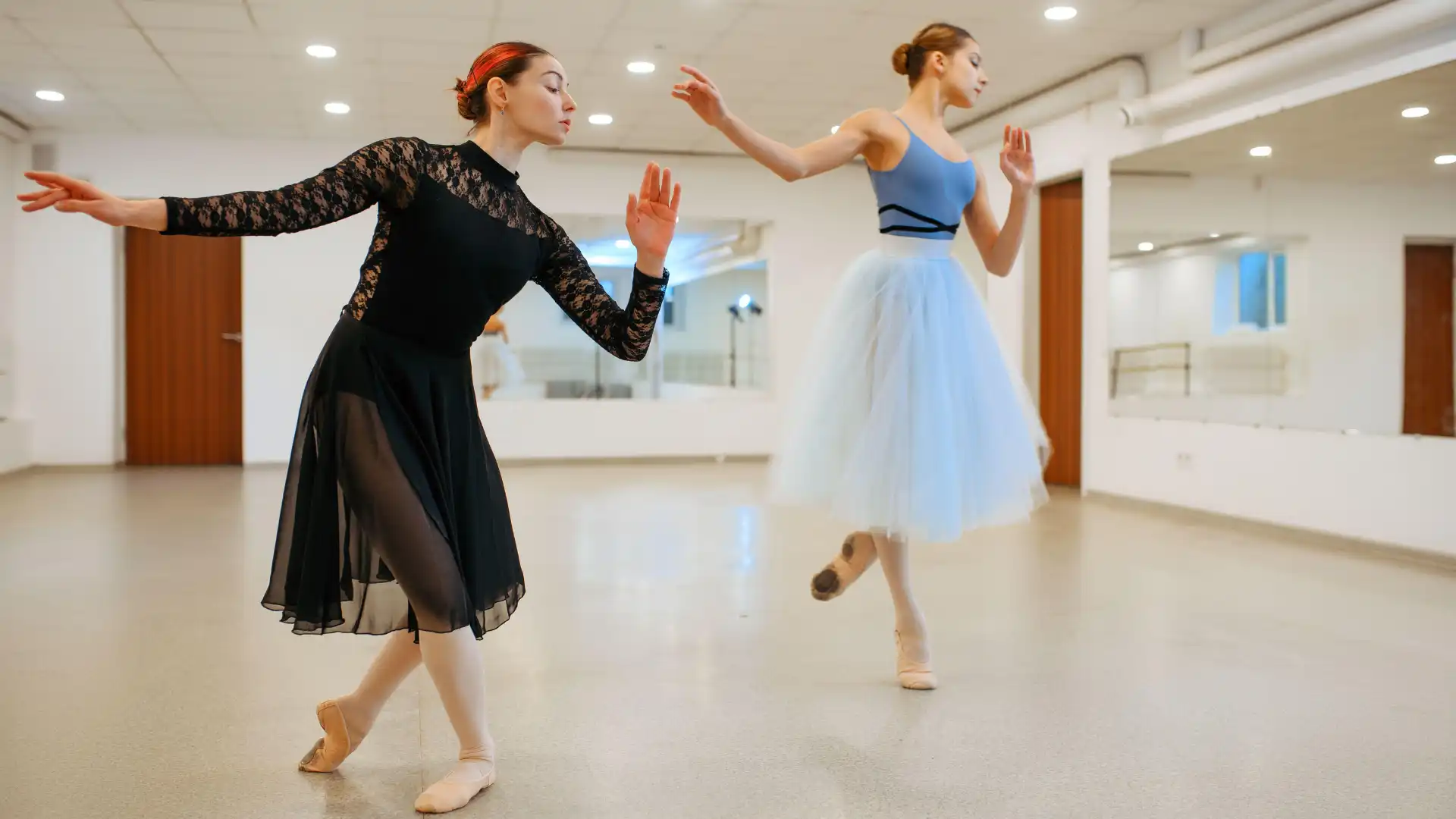
A strong foundation in dance is fundamental for aspiring choreographers. Many successful choreographers start their journey as dancers, honing their skills in various dance styles such as ballet, contemporary, jazz, or hip-hop. Developing proficiency in dance techniques, musicality, and performance artistry lays the groundwork for transitioning into a choreographic role.
Formal Education in Dance or Performing Arts
While not always mandatory, pursuing formal education in dance or performing arts can provide aspiring choreographers with valuable knowledge and skills. Bachelor’s or Master’s degrees in dance, choreography, or performing arts from reputable institutions can offer in-depth training in choreographic principles, composition, dance history, and performance analysis.
Choreography Workshops and Masterclasses
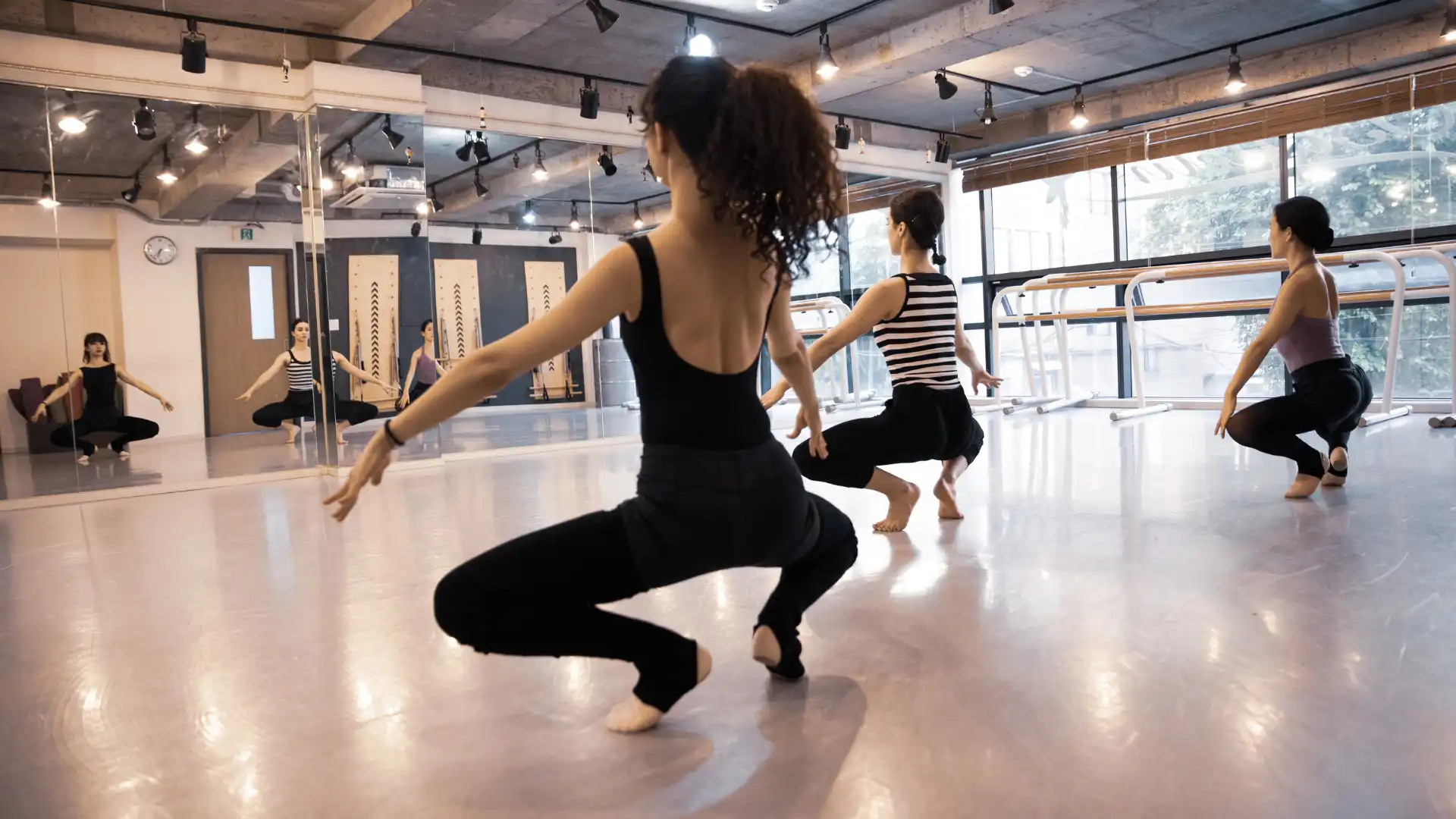
Participating in choreography workshops, masterclasses, and intensives led by experienced choreographers can offer hands-on training and mentorship opportunities. These immersive experiences allow aspiring choreographers to refine their craft, experiment with different choreographic styles, and receive constructive feedback on their work.
Collaborative Projects and Performance Opportunities
Engaging in collaborative projects, dance productions, and performance opportunities can provide aspiring choreographers with practical experience in creating and staging choreography. Working with dancers, musicians, designers, and directors in real-world settings helps aspiring choreographers develop their artistic vision, communication skills, and project management abilities.
Continuing Education and Professional Development
Continuing education and professional development are essential for choreographers to stay current with industry trends, expand their artistic repertoire, and enhance their choreographic skills. Attending dance conferences, seminars, and networking events can offer valuable insights, inspiration, and opportunities for career advancement.
Mentorship and Guidance
Seeking mentorship from established choreographers or industry professionals can provide aspiring choreographers with invaluable guidance, support, and career advice. Mentorship relationships offer aspiring choreographers the opportunity to learn from seasoned experts, receive personalized feedback, and navigate the nuances of the choreographic landscape.
Conclusion
Becoming a successful choreographer involves a combination of strong dance training, formal education, practical experience, mentorship, and continuous professional development. By building technical expertise, exploring creative opportunities, and learning from experienced professionals, aspiring choreographers can develop their unique artistic voice and pursue rewarding careers in the dance and entertainment industry.
Key Takeaways:
- A strong background in dance is essential for aspiring choreographers.
- Consider pursuing degrees in dance or performing arts for in-depth training.
- Participate in workshops and collaborative projects to refine your choreographic skills.
- Stay updated with industry trends through professional development opportunities.
- Seek guidance from experienced choreographers to navigate your career path.
Explore the Juilliard Dance Choreography Essentials online course and certificate program by Yellowbrick. Equip yourself with the tools and knowledge to excel in the world of dance and performance arts.