Practicing acting at home is a powerful way to sharpen your skills, build confidence, and stay creatively engaged between classes, rehearsals, or auditions. With the right structure and mindset, your home can become a productive rehearsal space where you explore characters, strengthen technique, and refine your performance abilities. By creating a focused environment and incorporating intentional exercises into your routine, you can continue growing as an actor—right from the comfort of your own space.
Create a Dedicated Space
Designate a specific area in your home for acting practice. Whether it’s a corner of your living room, a spare room, or even a makeshift studio in your garage, having a dedicated space can help you focus and immerse yourself in your practice sessions. Ensure that the space is free from distractions and has good lighting and ventilation to create a conducive environment for acting.
Warm-Up Exercises
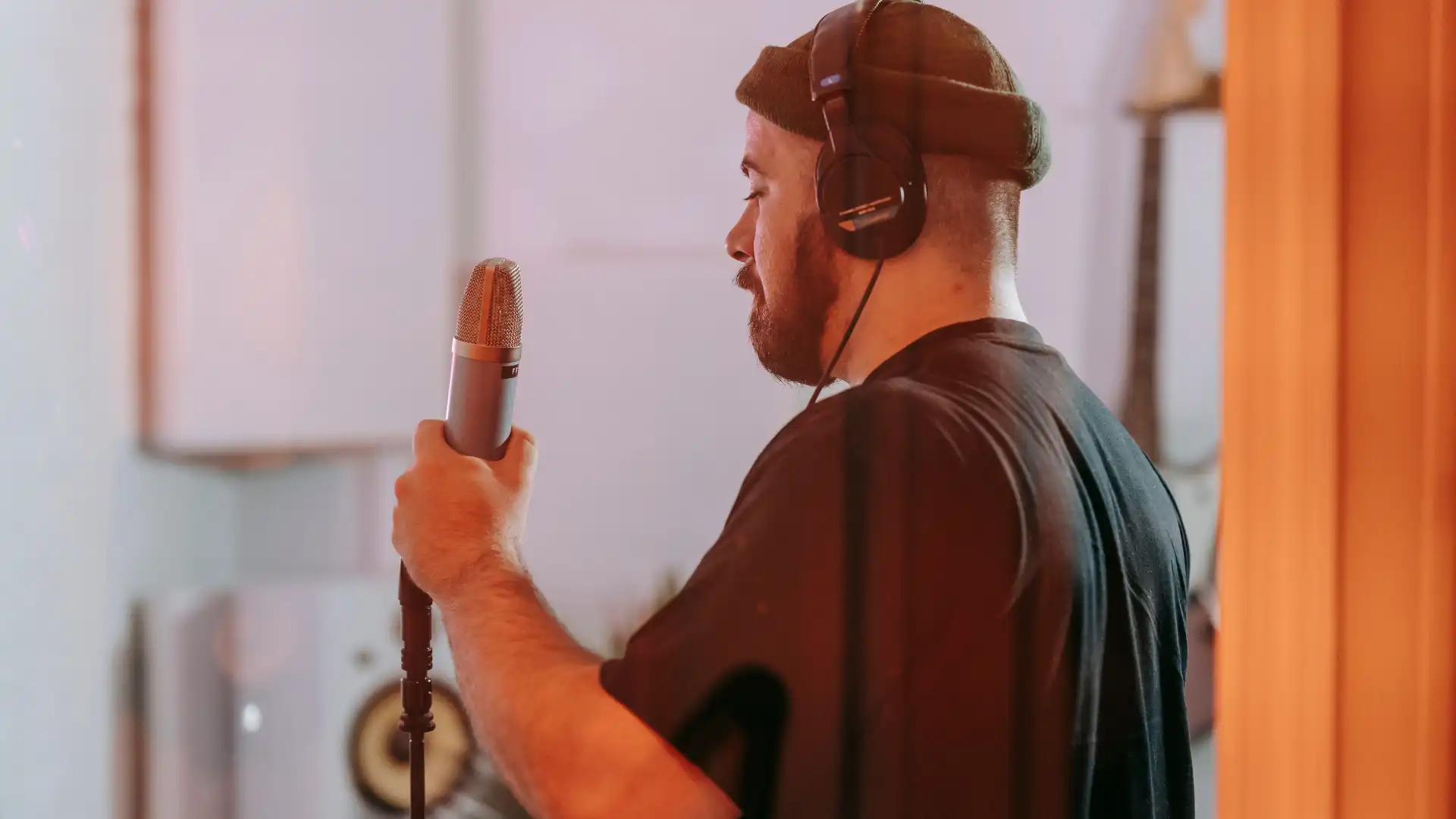
Just like athletes warm up before a game, actors need to warm up their bodies and voices before diving into acting practice. Incorporate physical exercises, vocal warm-ups, and breathing techniques into your routine to prepare your body and voice for the demands of acting. This will help you loosen up, improve your focus, and enhance your overall performance.
Script Analysis
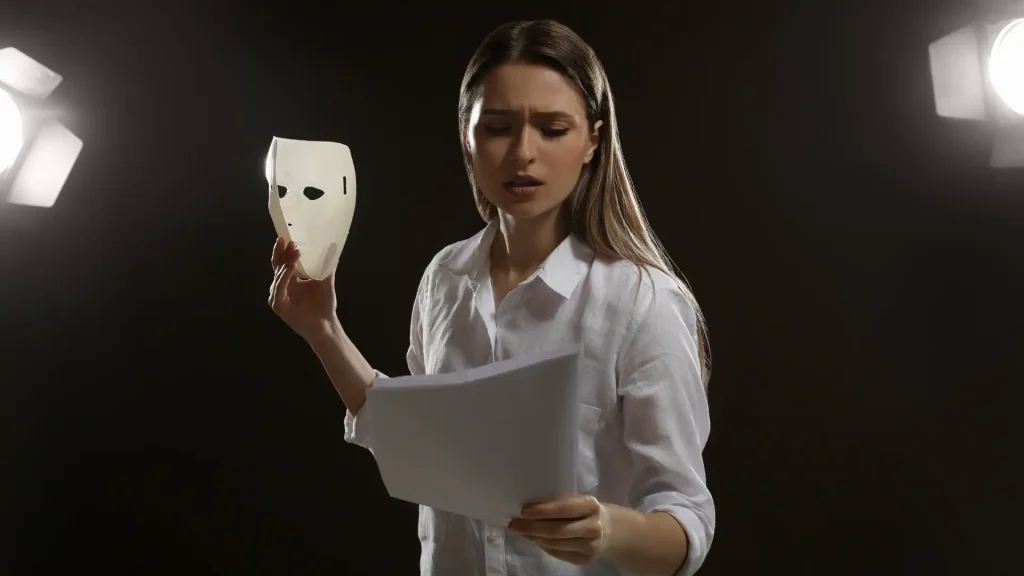
Choose a scene or monologue from a play, movie, or TV show and spend time analyzing the script. Break down the character’s motivations, emotions, relationships, and objectives to understand the context of the scene. Identify key moments, conflicts, and character arcs to deepen your connection to the material and bring authenticity to your performance.
Character Development
Once you have analyzed the script, focus on developing the character you will be portraying. Create a backstory, motivations, and physical traits for the character to bring them to life. Experiment with different character choices, mannerisms, and vocal inflections to explore the depth and complexity of the character. By fully embodying the character, you can deliver a more convincing and compelling performance.
Emotional Preparation
Acting often requires tapping into deep emotions and vulnerabilities to convey authenticity and truth on stage or screen. Practice emotional exercises such as sense memory, emotional recall, or improvisation to access a range of emotions and express them convincingly. Learning to connect with your emotions and convey them effectively can elevate the impact of your performance.
Scene Work
Once you have prepared the character and emotions, it’s time to delve into scene work. Rehearse the scene multiple times, experimenting with different choices, blocking, and interactions with imaginary scene partners. Focus on listening and reacting authentically in the moment, allowing the scene to unfold organically. Record your rehearsals to review your performance and make adjustments as needed.
Self-Taping
In the digital age, self-taping auditions has become a common practice in the entertainment industry. Use your home setup to practice self-taping techniques, including framing, lighting, sound quality, and performance delivery. Familiarize yourself with self-tape guidelines and practice recording and reviewing your auditions to improve your on-camera presence and audition skills.
Feedback and Reflection
Seek feedback from trusted friends, family members, or fellow actors to gain different perspectives on your performances. Ask for constructive criticism, insights, and suggestions for improvement to help you grow as an actor. Reflect on your practice sessions, identify areas for growth, and set goals for your future practice sessions to continue evolving and refining your craft.
Conclusion
By incorporating these tips and techniques into your acting practice at home, you can enhance your skills, deepen your understanding of characters and scenes, and elevate your overall performance as an actor. Remember that consistent practice, dedication, and a willingness to push yourself out of your comfort zone are key to mastering the art of acting.
Key Takeaways:
- Create a dedicated space for acting practice at home to focus and immerse yourself.
- Warm up your body and voice with exercises to enhance performance readiness.
- Analyze scripts to understand character motivations and bring authenticity to your performance.
- Develop characters with backstories, traits, and emotions for convincing portrayals.
- Practice emotional exercises to access a range of emotions and convey them effectively.
- Engage in scene work, self-taping, seek feedback, and reflect to refine your acting skills.
Consider taking the Juilliard Extension Acting Essentials: Preparing for a Role online course and certificate program to further enhance your acting practice at home.