Confidence is one of the most powerful tools an actor can possess. While talent, training, and experience all play vital roles in a performer’s growth, confidence is what allows those qualities to shine under the spotlight. Whether you’re preparing for a school production, a community play, or a professional stage performance, building acting confidence is essential for delivering compelling and memorable work.
Understanding Acting Confidence
Acting confidence is not about arrogance or pretending to be fearless. It’s about trusting your preparation, embracing vulnerability, and committing fully to your character. Confident actors take risks, make bold choices, and recover gracefully from mistakes. They are present, connected, and responsive to their scene partners and audience.
Confidence grows over time, but it can also be intentionally developed through focused strategies and consistent practice.
Master Your Craft Through Training
One of the most effective ways to build confidence is through solid training. Acting classes provide structure, technique, and constructive feedback. When you understand foundational skills such as voice projection, body awareness, emotional truth, and character development, you feel more secure on stage.
Exploring different techniques—such as those developed by Konstantin Stanislavski or Sanford Meisner—can deepen your understanding of performance and give you reliable tools to draw from during rehearsals and performances. The more tools you have, the more confident you’ll feel when facing challenges.
Prepare Thoroughly
Preparation is the backbone of confidence. When you know your lines inside and out, understand your character’s objectives, and are familiar with blocking and cues, you eliminate much of the anxiety that comes from uncertainty.
Break your script into manageable sections. Analyze your character’s motivations, relationships, and emotional journey. Rehearse consistently, both alone and with your castmates. The more prepared you are, the more freedom you’ll experience on stage.
Practice Visualization
Visualization is a powerful mental technique used by performers and athletes alike. Before stepping on stage, take a few moments to imagine yourself delivering your lines clearly, moving confidently, and receiving positive reactions from the audience.
Picture the lights, the set, and your fellow actors. Envision yourself staying calm and focused. This mental rehearsal helps reduce performance anxiety and reinforces a positive mindset.
Develop Strong Physical and Vocal Presence
Confidence is communicated through your body and voice. Stand tall, breathe deeply, and move with intention. Practice vocal warm-ups to strengthen projection, clarity, and articulation. When your voice is steady and your movements are purposeful, you naturally feel more in control.
Regular physical exercises such as stretching, yoga, or movement training can also improve body awareness and stage presence. A grounded and relaxed body supports a confident performance.
Embrace Mistakes as Part of the Process
Even the most experienced actors make mistakes. Lines may be forgotten, cues may be missed, and unexpected technical issues can occur. Confidence comes from knowing that you can adapt and continue without losing focus.
Instead of fearing mistakes, view them as opportunities to grow. Stay in character, listen carefully to your scene partners, and respond truthfully. Audiences often won’t notice minor errors unless the actor draws attention to them.
Build Trust with Your Cast
Acting is rarely a solo endeavor. Trusting your fellow performers creates a supportive environment where everyone can take creative risks. When you know your cast has your back, you feel safer and more secure on stage.
Engage fully during rehearsals. Offer support, communicate openly, and develop strong connections with your scene partners. A cohesive ensemble boosts collective confidence and elevates the overall performance.
Manage Stage Fright Effectively
Stage fright is common, even among seasoned professionals. The key is learning how to manage it rather than eliminate it entirely. Simple breathing exercises can calm nerves before a performance. Inhale slowly through your nose, hold briefly, and exhale steadily through your mouth.
Focus your energy outward—on your character, your objectives, and your fellow actors—rather than inward on your fears. Transform nervous energy into excitement and passion for the story you’re telling.
Set Achievable Goals
Confidence grows when you achieve small victories. Set realistic performance goals, such as maintaining strong eye contact, improving projection, or fully committing to a challenging emotional moment. Celebrate progress, no matter how small.
Over time, these incremental improvements build lasting self-assurance.
Seek Constructive Feedback
Constructive feedback is essential for growth. Invite directors, teachers, or trusted peers to share insights about your performance. Instead of viewing feedback as criticism, treat it as guidance for improvement.
Actors who actively seek feedback demonstrate a growth mindset, which strengthens both skill and confidence.
Stay Committed to Continuous Growth
Confidence is not a final destination; it’s an ongoing journey. Continue training, auditioning, performing, and challenging yourself with diverse roles. Each experience adds to your resilience and stage presence.
The more you step outside your comfort zone, the more your confidence expands.
Conclusion
Boosting your acting confidence requires preparation, practice, and a willingness to embrace vulnerability. By mastering your craft, preparing thoroughly, managing stage fright, and building strong ensemble relationships, you can transform nervous energy into a powerful stage presence.
Confidence allows you to take creative risks, connect authentically with your audience, and bring characters to life with conviction. With dedication and consistent effort, you can step onto any stage knowing you are ready to succeed.
Key Takeaways:
- Self-awareness is crucial in building acting confidence; recognize strengths and areas for growth.
- Adequate preparation boosts confidence; study character motivations and rehearse diligently.
- Pay attention to physicality; body language and posture convey confidence on stage.
- Cultivate a positive mindset and embrace challenges with optimism for enhanced confidence.
- Taking risks, seeking feedback, and prioritizing well-being are vital for building acting confidence.
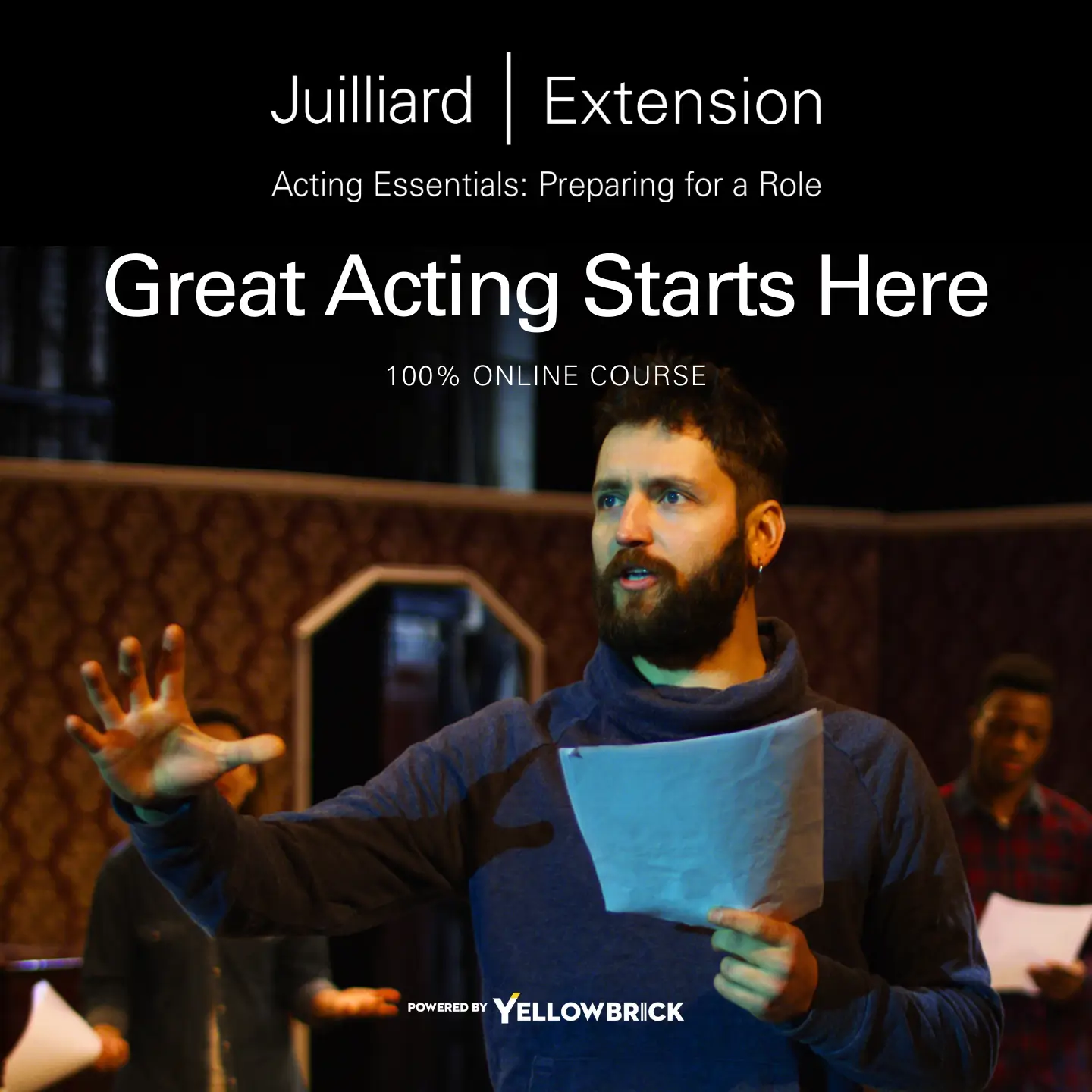
Consider taking the Juilliard Extension Acting Essentials: Preparing for a Role online course and certificate program offered by Yellowbrick to further enhance your skills and confidence as an actor.