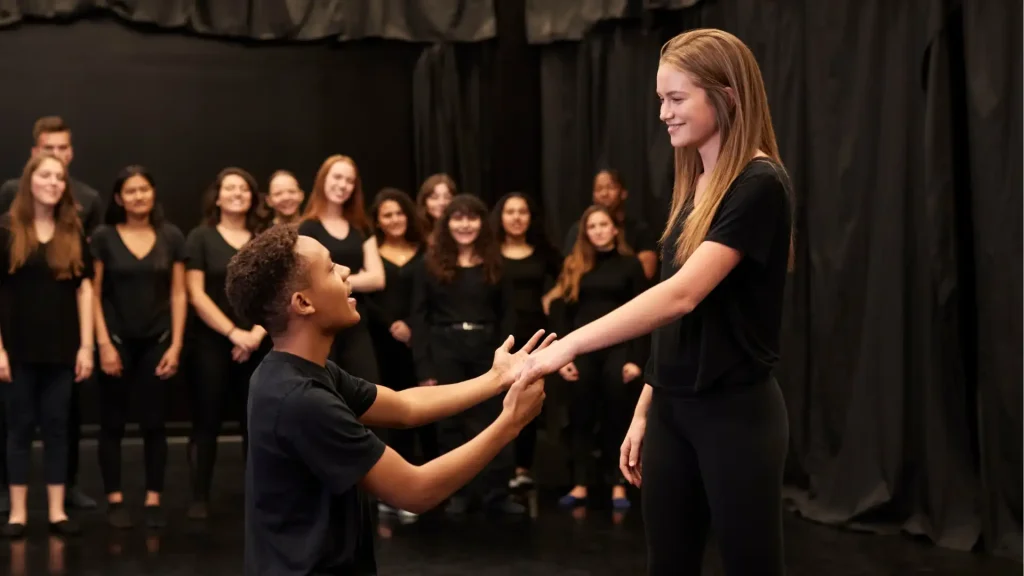
Drama classes are more than a place to learn lines and blocking—they are training grounds for confidence, creativity, and expressive power. Whether you are a beginner exploring performance for the first time or an experienced actor refining your craft, drama classes offer structured opportunities to elevate your performance skills. Through guided practice, feedback, and collaboration, performers learn how to communicate with clarity, emotion, and purpose.
At their core, drama classes develop the tools performers need to connect with an audience. They blend imagination with discipline, helping individuals turn raw potential into confident, compelling performance.
Building a Strong Performance Foundation
One of the first benefits of drama classes is the development of core performance fundamentals. Students learn posture, breath control, voice projection, and physical awareness. These basics support strong stage presence and allow performers to express ideas without strain or hesitation.
Drama training also sharpens focus and listening. Performers learn to stay present in the moment, respond truthfully to partners, and maintain consistency throughout a scene. This foundation creates believable and engaging performances.
Enhancing Voice and Speech
Voice is a performer’s main instrument. Drama classes strengthen vocal clarity, volume, and emotional tone. Through warm-ups and exercises, students learn how to use breath, resonance, and articulation to communicate effectively.
Speech work also improves pacing and inflection. Instead of sounding flat or rushed, performers learn how to shape language with intention, making dialogue engaging and meaningful for the audience.
Developing Emotional Range and Authenticity
Performance requires emotional truth. Drama classes guide students in exploring feelings, motivations, and relationships. Through character work and improvisation, performers expand their emotional range and learn how to access genuine reactions rather than forced expression.
Authenticity builds audience connection. When emotions feel real, performances become memorable and impactful. Drama training helps performers trust their instincts while staying grounded in technique.
Strengthening Physical Expression
The body communicates as much as the voice. Drama classes develop movement, balance, gesture, and spatial awareness. Performers learn how posture, stillness, and motion contribute to storytelling and character creation.
By becoming physically expressive and controlled, students gain a stronger presence and clarity in every scene. Physical confidence supports emotional and vocal work, creating a complete performance style.
Collaboration and Scene Work
Drama is a collaborative art. In classes, students work in pairs and groups, building scenes and exploring relationships. This teaches listening, adaptability, and ensemble awareness.
Scene work helps performers understand objectives, conflict, and subtext. By rehearsing and receiving feedback, students refine their choices and learn how to support partners while staying truthful to the story.
Building Confidence and Stage Presence
One of the most powerful outcomes of drama classes is confidence. Performing in front of others reduces fear and strengthens self-belief. Students become more comfortable expressing ideas, emotions, and opinions publicly.
Stage presence grows through awareness of space and audience. Instead of hiding, performers learn to claim the stage with clarity and purpose, skills that carry into presentations, interviews, and leadership roles.
Applying Drama Skills Beyond the Stage
The performance skills learned in drama classes extend into everyday life. Communication, creativity, empathy, and confidence improve professional and personal interactions. Students learn how to speak clearly, listen actively, and respond authentically in real situations.
Drama training encourages flexibility and curiosity, helping individuals adapt to challenges with creativity rather than fear.
The Impact of Drama Classes on Performance
Elevating performance skills through drama classes is about developing the whole performer—voice, body, mind, and emotion. With consistent training and practice, students become more expressive, confident, and connected communicators.
By engaging fully in drama classes, performers transform potential into presence and preparation into powerful performance, both on stage and in everyday life.
Key Takeaways:
- Drama classes build strong foundations in voice, posture, focus, and presence.
- Training improves vocal clarity, projection, pacing, and emotional tone.
- Students expand their emotional range and perform with greater authenticity.
- Physical expression and movement strengthen storytelling and stage confidence.
- Scene work and collaboration develop listening, adaptability, and ensemble skills.
- Performing regularly increases confidence and stage presence.
- Skills from drama classes transfer to real-life communication and leadership.
Consider taking the NYU Performing Arts Industry Essentials online course and certificate program by Yellowbrick to further enhance your skills and knowledge in the performing arts industry.