Acting is a craft that requires dedication, practice, and continuous learning. Whether you’re a seasoned performer or just starting your acting journey, honing your skills through regular practice is essential for success in the industry. Acting practice goes beyond memorizing lines and hitting your marks; it involves embodying characters, understanding emotions, and connecting with audiences on a profound level.
Character Development
One of the fundamental aspects of acting practice is character development. As an actor, you must delve deep into the psyche of your character, understand their motivations, fears, and desires, and bring them to life on stage or screen. Through intensive practice, you can explore different techniques to fully embody the character and create a believable and compelling performance.
Emotional Range
Acting requires a wide emotional range, from joy and excitement to sorrow and despair. Practice allows you to explore and expand your emotional repertoire, enabling you to authentically portray a diverse array of characters and situations. By practicing emotional exercises and scenes, you can sharpen your ability to convey complex emotions convincingly.
Improvisation Skills
Improvisation is a valuable skill for actors, allowing them to think on their feet, react in the moment, and adapt to unexpected situations. Regular practice in improvisation exercises and scenes helps actors develop spontaneity, creativity, and quick thinking, essential for auditions, rehearsals, and performances.
Physicality and Movement
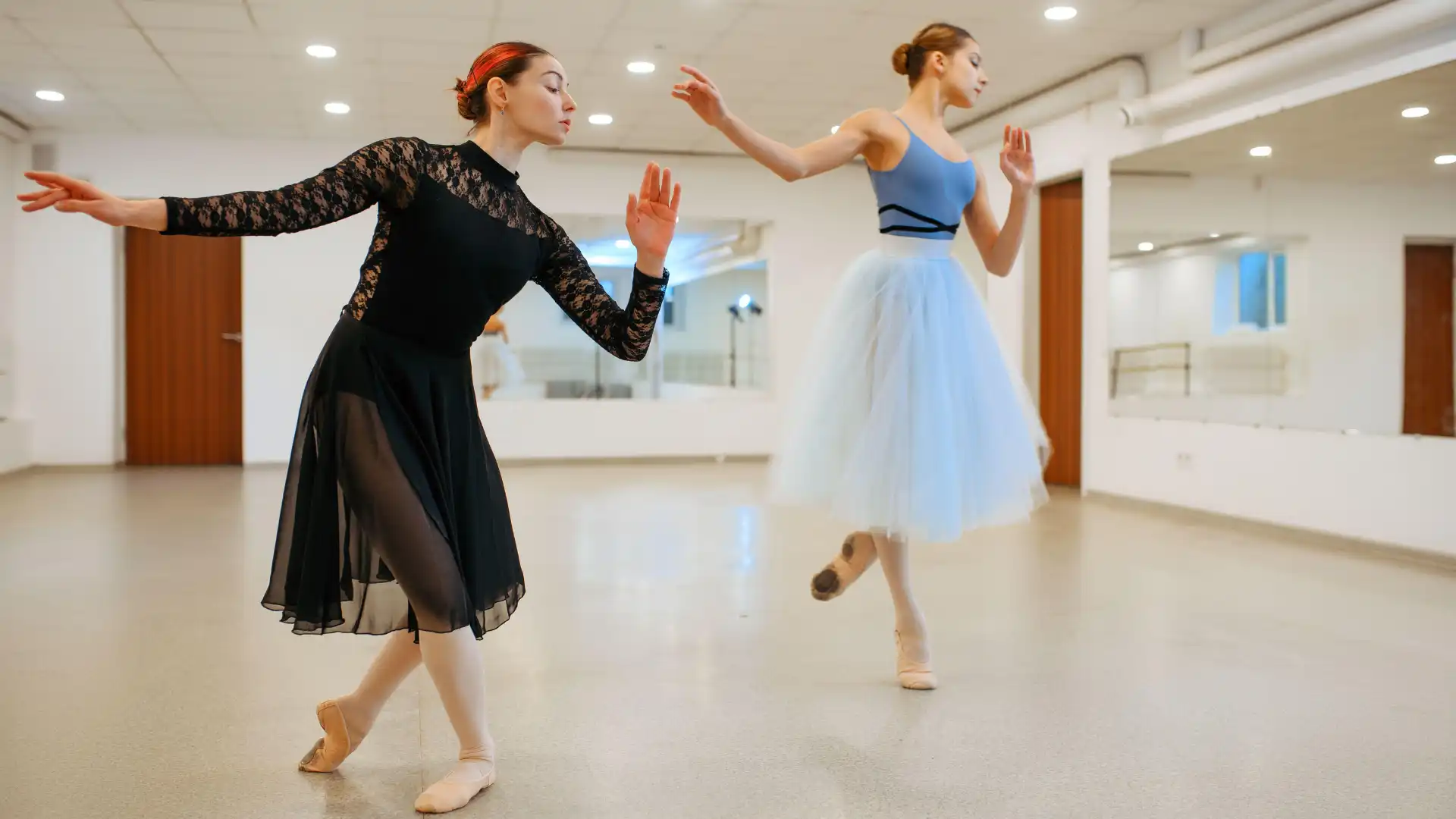
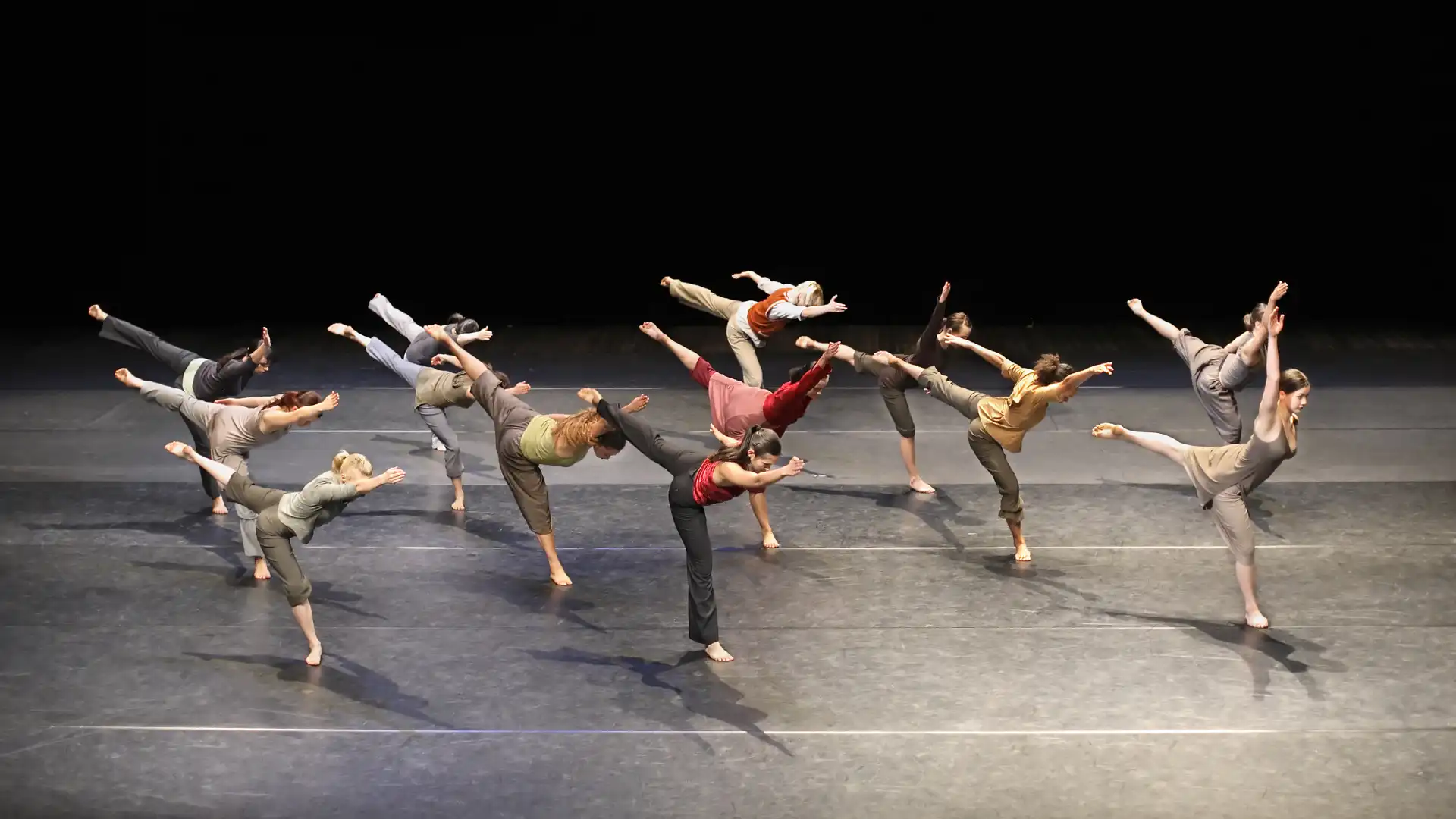
Acting is not just about delivering lines; it also involves physicality and movement. Practicing physical exercises, dance routines, and fight choreography can enhance your stage presence, body awareness, and versatility as a performer. Through consistent practice, you can refine your movements, gestures, and expressions to effectively communicate with your audience.
Voice Training
A powerful and expressive voice is a crucial tool for actors. Regular vocal exercises, breathing techniques, and diction practice can help you develop a strong and flexible voice that can convey a range of emotions and nuances. By practicing vocal warm-ups and exercises, you can improve your projection, articulation, and vocal control for impactful performances.
Scene Study
Engaging in scene study practice allows actors to delve deeply into specific scenes, dissecting the dialogue, subtext, relationships, and objectives of the characters. By practicing scene work with scene partners or in acting classes, you can refine your acting choices, explore different interpretations, and develop a deeper understanding of dramatic structure and storytelling.
Audition Preparation
Auditions are a crucial part of an actor’s career, and effective audition preparation is key to landing roles. Practicing audition monologues, cold readings, and interview skills can boost your confidence, showcase your talent, and make a lasting impression on casting directors and producers. Regular practice helps you polish your audition techniques and adapt to different audition scenarios.
Collaboration and Ensemble Work
Acting is often a collaborative art form that requires ensemble work and teamwork. Practicing with other actors in group scenes, ensemble performances, and improvisational exercises fosters collaboration, communication, and trust among performers. By honing your ensemble skills through practice, you can work seamlessly with others to create cohesive and compelling performances.
Industry Knowledge
In addition to honing your acting skills, staying informed about industry trends, casting opportunities, and emerging technologies is essential for success as an actor. Regularly practicing self-promotion, networking, and auditioning can help you navigate the competitive landscape of the industry and seize new opportunities for growth and advancement.
Continued Learning
Acting practice is a lifelong journey of learning, growth, and self-discovery. Embrace opportunities for continued education, workshops, and masterclasses to expand your skills, knowledge, and professional network. By committing to ongoing practice and learning, you can stay relevant, adaptable, and passionate about your craft in an ever-evolving industry.
Conclusion
Acting practice is not just about perfecting your performance; it’s about cultivating a deep understanding of yourself, your craft, and the world around you. By dedicating yourself to regular practice, exploring new techniques, and pushing your creative boundaries, you can elevate your acting skills, unlock your artistic potential, and embark on a fulfilling and successful career in the industry.
Key Takeaways:
- Stage combat strengthens acting by developing physical storytelling and presence.
- Training builds body awareness, control, timing, and coordination.
- Combat practice improves focus, discipline, and partner responsiveness.
- Fight choreography reveals character, emotion, and intention through movement.
- Actors gain confidence in physical and action-based roles.
- Stage combat expands versatility and marketability in theatre, film, and TV.
- Collaboration and trust in combat scenes enhance overall ensemble performance.
Enhance your acting skills and industry knowledge by considering the Yellowbrick Performing Arts Industry Essentials online course and certificate program.