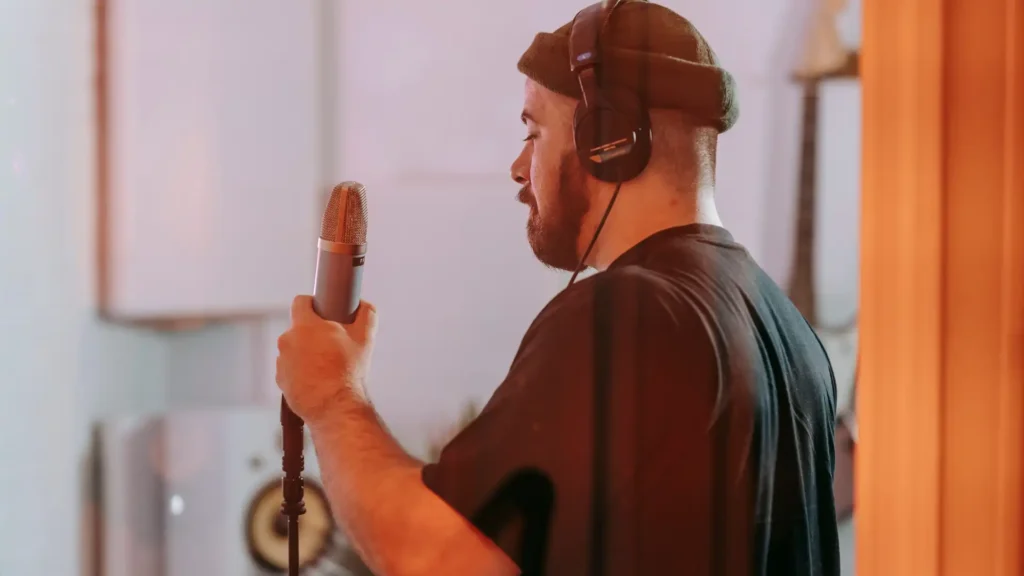
Embarking on a journey to become a recording artist is an exciting and challenging endeavor that requires dedication, talent, and strategic planning. Whether you dream of topping the charts or creating music that resonates with audiences, the path to becoming a successful recording artist is multifaceted. In this comprehensive guide, we will explore the essential steps and strategies to help you navigate the music industry and achieve your goals as a recording artist.
Define Your Artistry
Developing a clear artistic identity can help you establish your sound and communicate what makes your music distinctive. Focus on refining your creative skills while building a strong foundation for your career.
- Discover Your Unique Sound: Experiment with different genres, styles, and influences to develop a distinct musical identity that sets you apart from other artists.
- Hone Your Songwriting Skills: Craft compelling lyrics and melodies that resonate with listeners and showcase your storytelling abilities and musical prowess.
- Collaborate with Producers and Musicians: Surround yourself with talented collaborators who can help bring your musical vision to life and elevate your recordings to new heights.
Build Your Online Presence
A professional online presence allows you to share your music, connect with listeners, and establish your identity as an artist. Consistent content and accessible music can help you build an engaged audience over time.
- Create a Professional Website: Establish a digital hub where fans can discover your music, learn about upcoming releases, and connect with you on social media.
- Utilize Social Media: Engage with your audience on platforms like Instagram, Twitter, and TikTok to share behind-the-scenes glimpses, music updates, and personal insights.
- Release Music on Streaming Platforms: Distribute your music on platforms like Spotify, Apple Music, and YouTube to reach a wider audience and grow your fan base.
Network and Collaborate
Building professional relationships can introduce you to new creative opportunities and help you learn more about the music industry. Meaningful connections with artists and industry professionals can support your long-term development.
- Attend Music Industry Events: Participate in conferences, showcases, and networking events to connect with industry professionals, fellow artists, and potential collaborators.
- Seek Mentorship: Learn from experienced musicians, producers, and industry insiders who can offer guidance, advice, and valuable insights into the music business.
- Collaborate with Other Artists: Collaborating with other musicians can lead to creative synergies, new opportunities, and exposure to different fan bases.
Showcase Your Talent
Creating opportunities to present your music can help you gain experience and demonstrate your abilities to audiences and industry professionals. Focus on building a strong body of work and presenting it professionally.
- Perform Live: Book gigs at local venues, festivals, and events to showcase your music, connect with fans, and refine your stage presence and performance skills.
- Create High-Quality Demos: Record polished demos that highlight your musical abilities, vocal range, and production quality to impress industry professionals and potential collaborators.
- Submit Your Music Strategically: Research record labels, music supervisors, and industry contacts to submit your music to the right channels and increase your chances of getting noticed.
Conclusion
Becoming a recording artist requires a combination of artistic development, consistent practice, networking, and strategic promotion. By defining your unique sound, building an online presence, collaborating with others, and consistently showcasing your music, you can create a strong foundation for developing your career in the music industry.
Key Takeaways:
- Develop a unique sound, hone songwriting skills, and collaborate with industry professionals.
- Create a professional website, engage on social media, and release music on streaming platforms.
- Attend industry events, seek mentorship, and collaborate with fellow artists for growth.
- Perform live, create high-quality demos, and strategically submit your music for opportunities.
Consider the Juilliard Voice Performance Fundamentals online course for advanced vocal training.