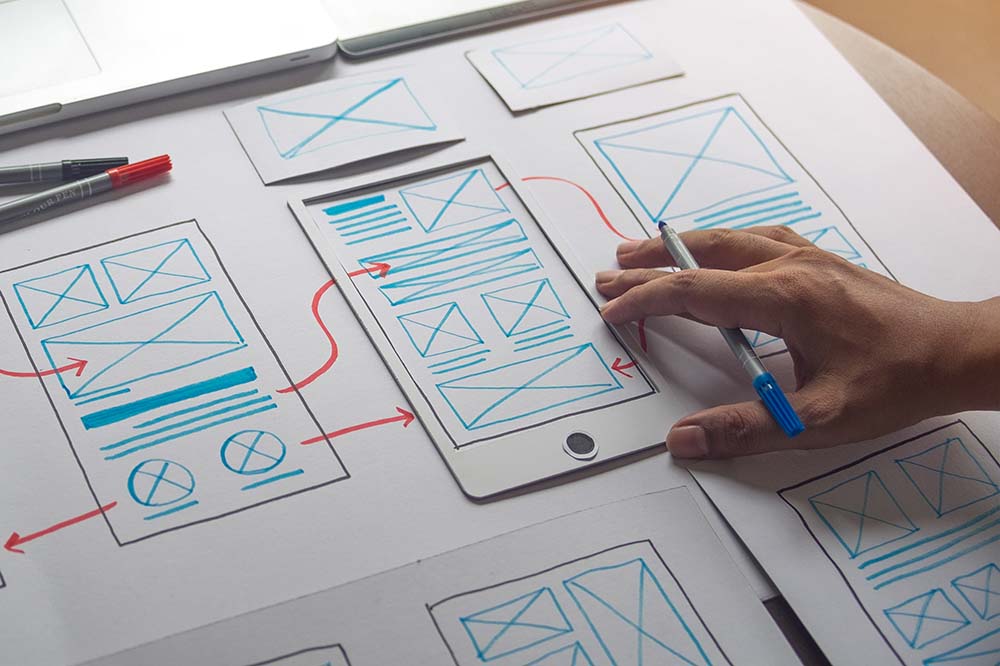
In the realm of design, two terms that often get intertwined are Service Design and User Experience (UX) Design. While both disciplines focus on enhancing user interactions and experiences, they have distinct characteristics and objectives that set them apart. Understanding the differences between Service Design and UX Design is crucial for professionals in the design industry and those looking to pursue a career in this field.
Service Design: A Holistic Approach
Service Design is a multidisciplinary approach that aims to improve the quality and interaction of services offered to customers. It involves designing the entire service experience, from the initial touchpoint to the final interaction. Service Design focuses on understanding the end-to-end customer journey and ensuring that all aspects of the service align with user needs and expectations.
Key Elements of Service Design
Service design focuses on creating seamless, end-to-end experiences that deliver value to both users and businesses. It goes beyond individual touchpoints to consider the entire service journey, ensuring consistency, efficiency, and satisfaction at every stage. The following key elements highlight the foundational principles that guide effective service design.
- Customer-Centric: Service Design emphasizes understanding customer needs and designing services that meet them effectively.
- Cross-Functional Collaboration: Service Design often involves collaboration across different departments and disciplines to create seamless and integrated service experiences.
- Blueprinting: Service Designers use tools like service blueprints to visualize the service journey, identify pain points, and optimize the overall service delivery.
- Ecosystem Thinking: Service Design considers the broader ecosystem in which a service operates, including stakeholders, touchpoints, and interactions beyond the immediate user experience.
UX Design: Enhancing Digital Experiences
User Experience (UX) Design focuses on creating meaningful and seamless digital experiences for users. It involves designing interfaces, interactions, and workflows that prioritize user needs and preferences. UX Designers aim to make digital products intuitive, engaging, and user-friendly through research, prototyping, and testing.
Key Elements of UX Design
UX design centers on creating meaningful and intuitive experiences that align with user needs and expectations. By combining research, structure, and visual appeal, designers ensure that digital products are not only functional but also enjoyable to use. The following key elements outline the core principles that drive effective UX design.
- User-Centered Design: UX Design prioritizes the needs and preferences of users throughout the design process, ensuring that products are intuitive and easy to use.
- Prototyping and Testing: UX Designers create prototypes to test user interactions and gather feedback for iterative improvements, enhancing the overall user experience.
- Information Architecture: UX Design involves structuring content and information in a way that facilitates user navigation and comprehension.
- Visual Design: Visual aesthetics play a crucial role in UX Design, as designers aim to create visually appealing interfaces that align with brand identity and user expectations.
Service Design vs UX Design: Key Differences
While service design and UX design share a common goal of improving user experiences, they differ in scope, focus, and approach. Understanding these distinctions helps clarify how each discipline contributes to creating effective and cohesive solutions. The following points outline the key differences between service design and UX design.
- Scope: Service Design encompasses the entire service experience, including physical and digital touchpoints, while UX Design focuses specifically on digital interactions.
- Focus: Service Design prioritizes the end-to-end service journey and overall service delivery, whereas UX Design centers on creating optimal user experiences within digital interfaces.
- Collaboration: Service Design often involves cross-functional collaboration with various stakeholders, while UX Design may focus more on collaboration within design and development teams.
- Tools and Methods: Service Designers use tools like service blueprints and customer journey maps to visualize and optimize service experiences, while UX Designers rely on prototyping tools and user testing methods to enhance digital interfaces.
Top 10 Jobs in UX Design
From research and strategy to visual design and leadership, each role plays a vital part in shaping seamless and impactful user experiences. This list highlights ten of the top UX design jobs, showcasing the diverse opportunities available in this dynamic and evolving industry.
- Service Designer: Creating holistic service experiences that meet user needs and business objectives.
- UX Designer: Designing intuitive and user-friendly digital interfaces and interactions.
- Interaction Designer: Crafting engaging interactive elements for digital products and services.
- Information Architect: Structuring content and information to optimize user navigation and comprehension.
- UX Researcher: Conducting user research to inform design decisions and improve user experiences.
- Visual Designer: Creating visually appealing designs that enhance brand identity and user engagement.
- Product Designer: Collaborating with cross-functional teams to develop and launch new products and services.
- UX Writer: Crafting clear and concise content for digital interfaces to guide user interactions.
- UI Developer: Implementing design elements using coding languages to create functional and visually appealing interfaces.
- Design Manager: Overseeing design teams and projects to ensure the successful delivery of design solutions.
The Future of Design
As technology continues to advance and user expectations evolve, the fields of Service Design and UX Design will continue to evolve and intersect. Professionals in the design industry will need to adapt to changing trends and technologies, embracing a holistic approach to design that prioritizes both service excellence and user satisfaction.
Key Takeaways:
- Service Design focuses on creating holistic service experiences, while UX Design centers on optimizing digital interactions.
- Service Designers collaborate across disciplines to enhance service delivery, while UX Designers prioritize user needs in digital product design.
- Understanding the differences between Service Design and UX Design is essential for design professionals and aspiring designers.
Consider exploring the Yellowbrick UX Design Foundations online course and certificate program to further enhance your skills and advance your career in design.