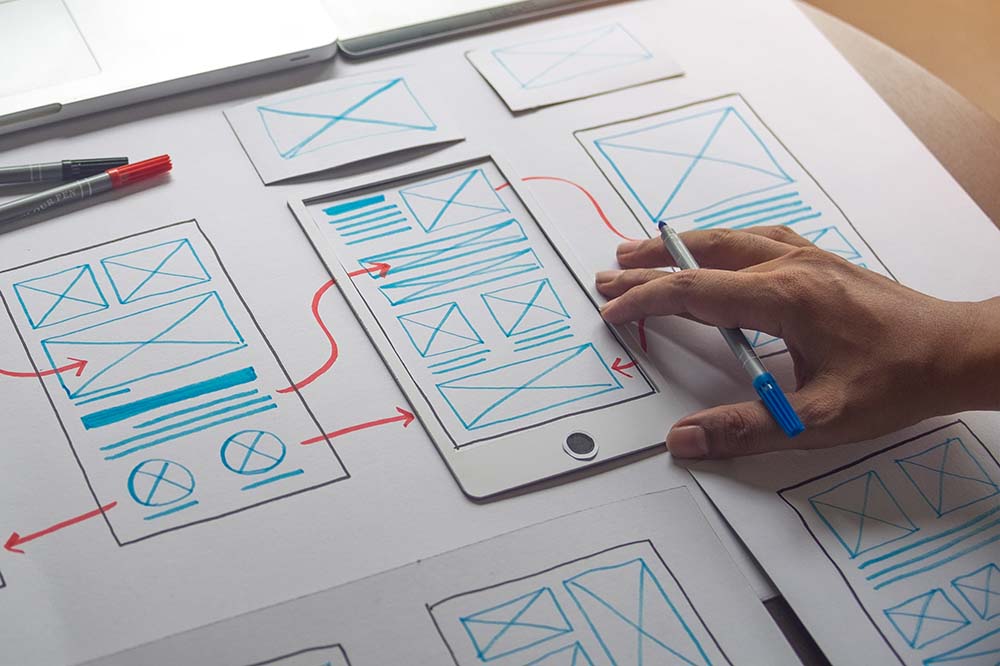
Product designers play a crucial role in shaping the digital landscape by creating user-centered and innovative products that meet the needs and expectations of consumers. If you are considering a career in product design, understanding the various job roles and opportunities in this field is essential. In this comprehensive guide, we will explore the top 10 product designer jobs and provide insights into the skills and qualifications required to excel in this dynamic industry.
Product Designer
Product designers are responsible for the end-to-end design process of digital products, from conceptualization to implementation. They collaborate with cross-functional teams to create user interfaces, prototypes, and user experiences that align with business goals and user needs. Strong design skills, creativity, and an understanding of user-centric design principles are essential for success in this role.
UX Designer
User Experience (UX) designers focus on enhancing the overall experience of users when interacting with a product. They conduct user research, create wireframes, and design prototypes to optimize usability and user satisfaction. Collaboration with stakeholders and a deep understanding of user behavior are key aspects of a UX designer’s role in creating intuitive and engaging digital products.
UI Designer
User Interface (UI) designers are responsible for designing visually appealing interfaces that users interact with. They focus on the aesthetics and layout of digital products, ensuring a seamless and visually engaging user experience. Proficiency in design tools, a keen eye for detail, and a strong understanding of visual design principles are crucial for UI designers to create compelling interfaces.
Interaction Designer
Interaction designers specialize in designing interactive elements and animations that enhance user engagement and functionality. They create dynamic and intuitive user interfaces by understanding user behaviors and designing interactions that facilitate seamless user experiences. Collaboration with UX and UI teams is essential for interaction designers to create engaging and user-centric product designs.
Product Manager
Product managers oversee the strategic direction and development of digital products. They work closely with design, engineering, and marketing teams to define product requirements, prioritize features, and ensure successful product launches. Strong project management skills, market research, and a deep understanding of user needs are essential for product managers to drive product innovation and success.
Design Strategist
Design strategists focus on aligning design efforts with business objectives and user needs. They conduct research, analyze market trends, and define design strategies that drive product innovation and differentiation. By bridging the gap between design and business goals, design strategists play a pivotal role in shaping the overall success of digital products.
Usability Analyst
Usability analysts evaluate the usability of digital products through testing, feedback analysis, and usability studies. By identifying usability issues and proposing improvements, usability analysts ensure that products are user-friendly and meet the needs of target audiences. Strong analytical skills, attention to detail, and a user-centric mindset are essential for usability analysts to optimize product usability.
Design Researcher
Design researchers conduct qualitative and quantitative research to understand user behaviors, preferences, and motivations. By gathering insights through interviews, surveys, and observational studies, design researchers inform design decisions and drive product improvements. Strong research skills, empathy, and the ability to translate data into actionable design insights are crucial for design researchers to contribute to successful product design.
Visual Designer
Visual designers focus on creating visually appealing graphics, layouts, and branding elements that enhance the overall aesthetic of digital products. They combine typography, color theory, and visual hierarchy to create engaging and cohesive designs that resonate with users. Proficiency in design software, creativity, and a strong visual aesthetic are essential for visual designers to craft compelling visual experiences.
Innovation Lead
Innovation leads drive creativity and experimentation within design teams to foster a culture of innovation and continuous improvement. They explore emerging technologies, trends, and design methodologies to push the boundaries of product design and deliver innovative solutions. Strong leadership skills, strategic thinking, and a passion for innovation are key attributes of successful innovation leads in the product design industry.
Conclusion
Product design offers a dynamic and multifaceted career path that blends creativity, technology, and strategy. From hands-on design roles to leadership and innovation positions, each job contributes to building impactful, user-centered products. As digital experiences continue to evolve, skilled product designers will remain essential in driving innovation, enhancing usability, and delivering meaningful solutions that meet both user needs and business goals.
Key Takeaways:
- Product design is a critical field focused on creating user-centered digital solutions
- Career paths range from UX/UI design to strategy, research, and leadership roles
- Collaboration across design, engineering, and business teams is essential
- User research and usability testing drive effective product decisions
- Visual design and interaction design enhance engagement and usability
- Strategic roles align design with business goals and market needs
- Innovation and continuous learning are key to staying competitive in the field
Enhancing your skills through specialized training programs like those offered by Yellowbrick can be a game-changer. Consider taking the Parsons UX Design Foundations online course and certificate program to further elevate your expertise and excel in the dynamic field of product design.