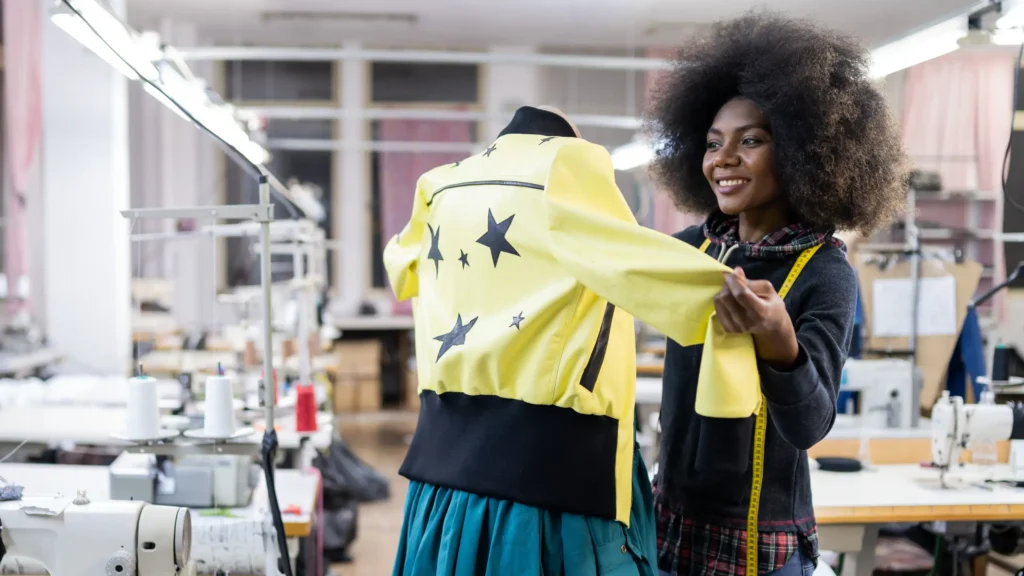
Direct-to-consumer (DTC) fashion brands have changed how clothing businesses sell their products and connect with customers. Instead of depending entirely on traditional retailers, these brands sell directly to consumers through their own websites, social media platforms, and other digital channels. This approach gives businesses greater control over their branding, pricing, product presentation, and customer relationships.
However, operating a DTC fashion brand involves more than setting up an online store. Businesses must create a convenient shopping experience, develop effective marketing strategies, understand customer preferences, and provide reliable service. They must also compete with established retailers and other online brands while managing production, shipping, and customer expectations.
To succeed in this environment, DTC fashion businesses need strategies that combine technology, personalization, transparency, and customer engagement. The following approaches can help strengthen a brand’s online presence, attract new buyers, and encourage long-term customer loyalty.
1. Building a Strong Online Presence
An e-commerce website is one of the most important tools for a direct-to-consumer fashion brand. It serves as the brand’s primary online store, allowing customers to browse products, compare options, read descriptions, and complete purchases without visiting a physical retail location.
A well-designed website should provide a simple and convenient shopping experience. Customers should be able to find products quickly, understand available options, and complete transactions without unnecessary difficulties.
Several features can improve an online store:
- Easy navigation: Organize products into clear categories, such as shirts, pants, dresses, jackets, and accessories.
- High-quality product images: Display clothing from different angles and include close-up photographs of fabrics, prints, and other details.
- Accurate product descriptions: Provide information about materials, measurements, available sizes, colors, and care instructions.
- Secure payment options: Offer reliable payment methods and protect customers’ personal and financial information.
- Clear shipping information: Explain delivery fees, estimated arrival times, and order-tracking procedures.
- Simple checkout: Minimize unnecessary steps so customers can complete purchases easily.
The website should also reflect the brand’s identity. Its design, colors, photographs, and written content should communicate the same personality customers encounter on the brand’s other platforms.
An effective e-commerce website does more than display products. It helps establish credibility and provides a reliable place where customers can interact with the business and make purchases.
Mobile Optimization
Many consumers use smartphones to discover fashion products, compare prices, and complete online purchases. For this reason, a DTC fashion website must work properly on mobile devices.
Mobile optimization means designing a website so that its content and features adjust to different screen sizes. Text should remain readable, photographs should display correctly, and navigation should be easy to use on smaller screens.
The purchasing process should also be mobile-friendly. Buttons should be easy to tap, forms should be simple to complete, and payment options should work smoothly on smartphones.
Website speed is another important consideration. Large photographs, unnecessary animations, and poorly optimized features can slow down loading times. Customers may leave a website if pages take too long to open.
Entrepreneurs should regularly test their websites using different devices and browsers. They should check product pages, shopping carts, payment procedures, and other important features to identify problems.
A mobile-friendly shopping experience helps reduce purchasing difficulties and allows a clothing brand to serve customers who prefer shopping through their phones.
2. Embracing Social Media Marketing
Social media allows DTC fashion brands to communicate directly with their audiences and promote products without depending entirely on traditional advertising or retail stores.
Platforms such as Instagram, TikTok, Facebook, and Pinterest provide opportunities to showcase clothing through photographs, videos, styling ideas, and interactive content.
However, effective social media marketing requires more than repeatedly posting product advertisements. Brands should create content that communicates their personality, values, and purpose.
Useful content may include:
- Product demonstrations: Show how clothing looks when worn and highlight important design details.
- Styling videos: Present different ways to combine products into complete outfits.
- Behind-the-scenes content: Show the design process, product preparation, packaging, and daily business activities.
- Brand storytelling: Explain the inspiration behind collections and the values that guide the business.
- Customer-generated content: Share customer photographs, reviews, and styling experiences with their permission.
- Interactive posts: Use polls, questions, and discussions to encourage audience participation.
A consistent content strategy helps customers become familiar with the brand. It also provides opportunities to answer questions, receive feedback, and understand which products attract the most attention.
Social media content should be designed for the audience and platform being used. Short videos may be suitable for product demonstrations, while detailed photographs and styling collections may work better for visual browsing platforms.
Influencer Partnerships
Influencer partnerships allow DTC fashion brands to introduce their products to audiences that may not be familiar with the business.
Influencers and content creators often develop relationships with followers who trust their opinions about fashion, lifestyle, and products. Working with suitable creators can help a brand increase visibility and generate interest in its collections.
Choosing the right partner is more important than selecting someone with the largest number of followers. Entrepreneurs should consider whether the creator’s style, values, content, and audience match the brand’s target market.
For example, a minimalist clothing brand may collaborate with a creator who regularly shares simple outfit combinations and everyday fashion advice. A streetwear business may work with someone whose content focuses on urban fashion and sneaker culture.
Partnership arrangements may include sponsored posts, product reviews, styling videos, affiliate links, or special discount codes.
Before beginning a collaboration, both parties should agree on the content requirements, payment arrangements, posting schedule, and expected results. Sponsored content should also be disclosed appropriately.
Brands should evaluate partnerships based on meaningful results, such as website visits, customer inquiries, conversions, and sales, rather than relying only on views and likes.
3. Offering Personalized Shopping Experiences
Personalization allows customers to make products more reflective of their individual preferences. Instead of purchasing clothing exactly as presented, buyers may be given opportunities to choose certain features or request modifications.
DTC fashion brands can offer customization through options such as:
- Adding initials or names through embroidery or monogramming.
- Selecting from available fabric colors or print designs.
- Choosing different garment lengths or fits when production allows.
- Adding personalized graphics or design details.
- Selecting gift packaging or customized messages.
Customization can make a product feel more personal and distinctive. It may also help a brand stand out in a market where many businesses offer similar clothing designs.
However, customization requires careful planning. Entrepreneurs must determine which options can be offered without creating unnecessary production delays or excessive costs.
The business should clearly explain available choices, additional charges, production timelines, and limitations before customers place their orders.
Offering customization can improve the shopping experience, but it should remain manageable for the business and its production capacity.
Tailored Recommendations
Personalized product recommendations help customers discover clothing that matches their interests and shopping preferences.
DTC fashion brands can use information from website activity, previous purchases, product searches, and customer-selected preferences to suggest relevant items.
For example, a customer who frequently views oversized shirts may receive recommendations for similar styles, matching pants, or newly released products within the same category.
Recommendations can appear in several places, including product pages, shopping carts, email messages, and the online store’s homepage.
Data analytics and recommendation systems can help identify patterns in customer behavior. These tools allow businesses to provide more relevant suggestions instead of presenting the same products to every visitor.
However, customer data should be collected and used responsibly. Businesses must respect privacy requirements and provide appropriate information about how customer information is handled.
Personalized recommendations can make product discovery easier, improve the shopping experience, and encourage customers to explore additional products.
4. Implementing Transparent Pricing and Policies
Transparency in pricing helps build trust between a DTC fashion brand and its customers. Buyers should understand how much a product costs and whether additional charges will apply before completing a purchase.
The displayed price should be clear and consistent across the website and promotional materials. If shipping fees, taxes, customization charges, or other costs apply, customers should be informed before checkout.
Hidden charges can create frustration and cause buyers to abandon their shopping carts. Clear pricing allows customers to make informed purchasing decisions and reduces misunderstandings.
Entrepreneurs should also understand the costs involved in selling directly to consumers. These may include product manufacturing, packaging, payment processing, website maintenance, marketing, shipping, and customer service.
Pricing should cover relevant business expenses while remaining appropriate for the target market. Setting prices too low may attract customers initially, but it can also make it difficult to maintain profitability and product quality.
Return, exchange, refund, and cancellation policies should also be easy to find and understand. Customers should know the conditions for returning products, the required procedures, and any applicable limitations.
Transparent policies make the business appear more professional and help customers feel more confident about purchasing online.
Sustainable Practices
Consumers are increasingly interested in how clothing is designed, manufactured, packaged, and delivered. For DTC fashion brands, communicating sustainability practices can help establish credibility among customers who value responsible consumption.
Sustainability may involve using recycled or responsibly sourced materials, reducing production waste, improving packaging, and working with manufacturers that follow ethical labor practices.
Direct-to-consumer businesses may also have opportunities to reduce unnecessary inventory through preorder systems, limited production runs, and demand-based manufacturing.
Transparency is important when communicating these practices. Brands should provide accurate information about materials, manufacturing locations, packaging, and other environmental or social initiatives.
For example, a business that uses recycled fabric should explain which materials are recycled and where they are used. It should avoid making broad claims such as completely sustainable or environmentally friendly without sufficient evidence.
Customers are more likely to trust businesses that demonstrate their commitments through consistent actions rather than relying on promotional statements alone.
Responsible practices can strengthen a brand’s reputation while encouraging customers to consider the broader impact of their clothing purchases.
5. Enhancing Customer Engagement and Loyalty
Customer service is a major part of the DTC business model because the brand manages its own relationships with buyers. Unlike businesses that depend on retailers to handle customer interactions, DTC brands are directly responsible for addressing questions, complaints, and purchasing concerns.
Providing excellent customer service begins with clear and timely communication. Customers may need assistance with product measurements, available sizes, payment procedures, order tracking, or return requests.
Businesses should provide accessible communication channels, such as email, website contact forms, and social media messaging. They should also establish reasonable response times and ensure that customer concerns are handled professionally.
When problems occur, entrepreneurs should focus on finding practical solutions. If an order is delayed, customers should receive an accurate update. If a product arrives damaged or incorrect, the business should explain the available options for resolving the issue.
Customer service should continue after the purchase. Following up on orders and collecting feedback can help identify problems and improve future transactions.
A positive customer experience can encourage repeat purchases and recommendations. In a competitive online market, reliable customer support can become an important reason customers choose one brand over another.
Loyalty Programs
Loyalty programs reward customers for continuing to support a clothing brand. They encourage repeat purchases by offering benefits that make customers feel recognized and valued.
A DTC fashion brand can introduce different types of loyalty rewards, depending on its budget and business model.
Examples include:
- Points systems: Customers earn points for purchases that can later be exchanged for discounts or rewards.
- Exclusive discounts: Returning customers receive special prices or promotional offers.
- Early access: Loyal buyers can purchase new collections before their public release.
- Birthday rewards: Customers receive a special offer during their birthday month.
- Referral rewards: Existing customers receive benefits when they successfully introduce new buyers.
- Exclusive products: Members gain access to limited-edition items or special collections.
A loyalty program should be simple to understand and easy to use. Complicated rules or rewards that are difficult to obtain may discourage participation.
Entrepreneurs should also calculate the financial impact of their rewards. Discounts and other benefits should encourage additional purchases without significantly reducing profit margins.
When properly designed, loyalty programs can strengthen customer relationships, increase repeat purchases, and create a stronger connection between buyers and the brand.
6. Utilizing Data Analytics for Decision Making
Understanding customer behavior is essential for developing an effective DTC strategy. Data analytics helps businesses examine how people discover products, interact with websites, and make purchasing decisions.
Customer information can reveal which clothing categories are most popular, what sizes sell quickly, which products receive the most attention, and what factors influence buying decisions.
For example, if website data shows that many visitors view a particular jacket but few complete their purchases, the business may need to examine its price, product description, photographs, or shipping costs.
Customer feedback can provide additional information. Reviews, surveys, inquiries, and complaints may reveal common concerns about fabric quality, sizing, delivery, or product expectations.
These insights can guide product development and marketing decisions. Instead of introducing new collections based only on personal assumptions, entrepreneurs can consider actual customer preferences.
Data should be collected and analyzed responsibly. Businesses must protect customer information, limit unnecessary data collection, and follow applicable privacy requirements.
Understanding customers allows DTC fashion brands to develop more relevant products and create shopping experiences that respond to real needs.
Performance Metrics
Performance metrics help business owners measure whether their direct-to-consumer strategies are effective. They provide a clearer picture of sales performance, marketing efficiency, and customer behavior.
Important metrics include:
- Conversion rate: Measures the percentage of website visitors who complete a purchase.
- Customer acquisition cost (CAC): Estimates how much the business spends to gain a new customer.
- Return on investment (ROI): Measures the financial return generated by an investment, such as a marketing campaign.
- Average order value (AOV): Shows the average amount customers spend per transaction.
- Customer lifetime value (CLV): Estimates the total revenue a business may receive from a customer throughout the relationship.
- Customer retention rate: Measures how effectively the brand keeps existing customers.
- Cart abandonment rate: Shows how often shoppers add products to their carts but leave without completing their purchases.
These indicators should be reviewed regularly. For example, a high customer acquisition cost may suggest that advertising expenses need to be adjusted. A high cart abandonment rate may indicate problems with shipping fees, checkout procedures, or payment options.
Entrepreneurs should avoid focusing on a single metric. A campaign may generate many new customers but still be unprofitable if advertising expenses are too high.
By examining several performance indicators together, business owners can make more informed decisions about pricing, promotions, product development, and customer retention.
Conclusion
Direct-to-consumer fashion brands have greater opportunities to control their branding, communicate with customers, and manage their online sales. However, succeeding in this business model requires more than creating an attractive website or promoting products through social media.
A strong online presence, effective digital marketing, personalized shopping experiences, transparent business practices, and reliable customer service all contribute to a successful DTC strategy. Data analytics also helps entrepreneurs understand customer behavior and evaluate business performance.
The most important advantage of the direct-to-consumer model is the opportunity to build meaningful relationships with customers. By listening to their needs, delivering quality products, and providing a convenient shopping experience, fashion brands can develop trust and encourage long-term loyalty.
Ultimately, successful DTC fashion businesses combine technology with customer-centered strategies. They use digital tools to improve operations while maintaining the personal connection that makes customers want to support their brand.
Key Takeaways:
- An effective e-commerce website provides customers with a convenient and reliable shopping experience.
- Mobile optimization helps fashion brands serve customers who prefer shopping through smartphones.
- Engaging social media content communicates brand identity and attracts potential buyers.
- Influencer partnerships can expand brand visibility when the creators match the target audience.
- Customization and personalized recommendations make shopping experiences more relevant to individual customers.
- Transparent pricing, shipping information, and return policies help establish customer trust.
- Genuine sustainability practices can strengthen a brand’s reputation among environmentally conscious consumers.
- Responsive customer service helps resolve problems and build long-term relationships.
- Loyalty programs encourage repeat purchases and reward continued customer support.
- Data analytics and performance metrics help businesses make informed decisions about marketing, sales, and product development.
Ready to elevate your DTC fashion brand? Explore the Parsons Streetwear Essentials online course.