Starting a clothing brand without prior experience may seem overwhelming, especially when you are unfamiliar with fashion design, manufacturing, and business management. However, you do not need to be an expert to begin. With proper research, practical skills, and a clear vision, you can gradually turn your creative ideas into a clothing business.
The key is to start with manageable steps, learn as you go, and understand what your target customers want. Whether you dream of creating streetwear, casual clothing, activewear, or a specialty fashion line, this guide will help you navigate the process of building your first clothing brand.
1. Define Your Brand Identity
Before designing clothes or looking for manufacturers, establish what your brand represents. Your brand identity will influence your products, visual style, marketing approach, and the customers you want to attract.
Identify your vision and values. Think about why you want to start a clothing brand and what makes your idea meaningful. You might want to create affordable everyday clothing, promote sustainable fashion, celebrate a particular culture, or offer unique designs for a specific community. Your vision will help guide your decisions as your business develops.
Choose a brand name that is easy to remember, relevant to your concept, and suitable for your target market. Consider how the name will look on clothing labels, packaging, and social media. Before committing to it, check whether the name is available for business use and whether a suitable website domain and social media handles can be secured.
Research your target audience. You cannot design effectively without understanding the people who might buy your products. Identify their age range, interests, lifestyle, preferred clothing styles, shopping habits, and spending capacity.
For example, a brand targeting college students might focus on affordable streetwear, oversized shirts, and comfortable everyday pieces. A brand for working professionals might offer minimalist designs, versatile basics, and polished casual clothing.
Study competing brands as well. Observe their product collections, pricing, designs, and marketing strategies. Look for opportunities to offer something different rather than simply copying what other businesses are doing.
2. Learn the Basics of Fashion Design
You do not need a fashion degree to start a clothing brand, but learning basic design concepts will help you develop products that are attractive, comfortable, and practical.
Study basic design principles. Begin by understanding color combinations, fabric characteristics, garment shapes, proportions, and construction. Learn how different materials behave when worn, washed, and sewn.
For instance, cotton is commonly used for comfortable everyday shirts, denim is suitable for durable casual clothing, and polyester blends are often used for sportswear. Understanding these differences will help you choose materials that match your product’s purpose.
You should also explore current fashion trends without relying entirely on them. Trends can provide inspiration, but your brand should have a recognizable style that customers can identify over time.
Practice sketching and prototyping. Start putting your ideas on paper. You can create simple clothing sketches even if you are not an experienced illustrator. Focus on the garment’s shape, color, details, and overall appearance.
Mood boards can also help organize your ideas. Collect fabric samples, color palettes, photographs, patterns, and design references that represent your desired aesthetic.
Once you have a design, experiment with a basic prototype or sample. You can learn simple sewing techniques, use beginner-friendly design software, or work with a local tailor or sample maker. Testing a physical sample helps you identify problems with fit, fabric, comfort, and construction before producing multiple pieces.
3. Explore Manufacturing and Production
Understanding how clothing is made is essential because production affects your product quality, pricing, and ability to meet customer expectations.
Research production processes. Learn about the different stages of garment production, including fabric sourcing, pattern making, cutting, sewing, finishing, labeling, and packaging.
Explore possible suppliers and manufacturers. Compare their prices, minimum order quantities, production timelines, and quality standards. Ask for samples before placing a large order so you can inspect the materials and workmanship.
It is also important to understand basic quality control. Check stitching, sizing, fabric consistency, color accuracy, and finishing details. A product that looks attractive but is poorly constructed can damage your brand’s reputation.
Start with small production runs. Avoid producing large quantities when you are still learning about your market. Begin with a limited collection, a small batch of shirts, or one signature product.
Another option is to use print-on-demand services, where products are printed and fulfilled after customers place orders. This can reduce the need to keep inventory, although production costs per item may be higher and customization options may be limited.
You can also work with local tailors or small-scale manufacturers to produce limited quantities. Starting small allows you to test customer demand, gather feedback, and make improvements without taking on unnecessary financial risks.
4. Build Your Brand Online
An online presence allows a new clothing brand to reach potential customers without immediately investing in a physical store. It also provides a convenient way to display products, communicate with buyers, and process orders.
Create a professional brand website. Build a website that clearly presents your brand identity and product collection. Include high-quality product photographs, accurate descriptions, size information, prices, and shipping details.
Your website should be easy to navigate, mobile-friendly, and simple to use. Include essential pages such as About Us, Contact, Shipping and Returns, and Frequently Asked Questions.
You can use e-commerce platforms to manage product listings, payments, inventory, and orders. Choose a platform that fits your budget and business needs rather than paying for advanced features you may not need immediately.
Leverage social media platforms. Use Instagram, Facebook, TikTok, and Pinterest to introduce your brand and connect with potential customers.
Share product photographs, styling ideas, behind-the-scenes videos, design processes, and customer feedback. Short videos showing how an outfit looks when worn can help customers understand the product better.
Consistency matters more than posting constantly. Develop a content schedule that you can realistically maintain. Respond to comments and messages, answer product questions, and encourage customers to share photos of their purchases.
Social media should not be used only to advertise products. It should also communicate your brand’s personality and build a community around your designs.
5. Understand Marketing and Brand Promotion
Having attractive products is only one part of running a clothing brand. You also need a marketing strategy that helps people discover your business and gives them reasons to purchase from you.
Develop a marketing strategy. Start by identifying what makes your brand different. This could be your original designs, affordable prices, comfortable fabrics, inclusive sizing, or commitment to responsible production.
Choose marketing channels based on where your target customers spend their time. For example, visual platforms may work well for fashion brands because they allow you to showcase outfits, styling combinations, and product details.
Create promotional content that highlights the value of your products. Instead of repeatedly posting sales messages, share outfit inspiration, product demonstrations, styling tips, and information about how your clothing is made.
You can also introduce limited collections, launch discounts, referral offers, or seasonal promotions. Make sure your pricing accounts for production, packaging, marketing, shipping responsibilities, and other business expenses.
Collaborate and network. Building relationships can help a new clothing brand gain exposure and access valuable industry knowledge.
Consider working with small content creators, local photographers, stylists, models, and other emerging fashion businesses. These collaborations can help you produce promotional materials and reach audiences who may be interested in your products.
Participate in local markets, pop-up shops, fashion events, and entrepreneurship activities when possible. These opportunities allow you to introduce your brand, observe customer reactions, and connect with potential business partners.
You can also learn from established clothing business owners through online communities, workshops, and industry discussions. Networking is not only about promoting your products; it is also about learning from people who have experience in the field.
6. Embrace Continuous Learning and Adaptation
The fashion industry changes constantly. Customer preferences, production methods, marketing platforms, and technology continue to evolve. As a beginner, you should treat every stage of building your brand as an opportunity to learn.
Seek feedback. Ask customers what they think about your designs, fabric quality, sizing, comfort, and prices. You can gather feedback through short surveys, product reviews, social media comments, and direct conversations.
Listen carefully to repeated concerns. If several customers mention that a shirt runs too small or that a fabric feels uncomfortable, consider improving the product before your next production run.
Feedback from tailors, manufacturers, designers, and experienced business owners can also help you identify technical and operational problems.
Stay updated. Follow fashion publications, designers, manufacturers, and relevant industry communities to learn about new styles, materials, production techniques, and consumer preferences.
Explore useful digital tools for designing products, organizing inventory, managing orders, and creating marketing content. Learning how to use these tools can make your work more efficient, especially when you are managing several responsibilities.
However, do not change your brand identity every time a new trend appears. Use trends as inspiration while maintaining the qualities that make your business recognizable.
7. Manage Your Business and Finances Carefully
A clothing brand needs more than creativity. You must also understand basic business operations to keep the company financially sustainable.
Start by listing your expenses, including materials, production, labels, packaging, website fees, marketing, and shipping. Calculate the total cost of producing each item before deciding on its selling price.
Keep records of sales, expenses, inventory, and customer orders. Even a simple spreadsheet can help you monitor your business performance during the early stages.
Separate business money from personal spending whenever possible. Set aside funds for future production, unexpected expenses, and taxes. Research the business registration, tax, and consumer protection requirements that apply in your location before selling regularly.
Most importantly, avoid expanding too quickly. Reinvest a portion of your earnings into better materials, improved designs, and additional inventory. Grow according to actual customer demand and your ability to maintain consistent quality.
8. Avoid Common Mistakes When Starting a Clothing Brand
Beginners often make avoidable mistakes because they focus on launching quickly instead of building a strong foundation.
One common mistake is producing too many designs at once. A large collection can require significant money and create inventory that may not sell. Begin with a focused product range and expand after identifying what customers prefer.
Another mistake is copying established brands. Studying competitors is useful, but your clothing line should have its own identity. Develop original ideas and make sure your designs, logos, and marketing materials do not violate another brand’s intellectual property rights.
Ignoring product quality is another serious problem. Poor stitching, uncomfortable fabrics, inconsistent sizing, and inaccurate product descriptions can lead to complaints and returns. Always inspect samples and finished products before selling them.
Finally, do not expect immediate sales. Building customer trust takes time. Focus on delivering reliable products, providing good customer service, and improving your business with every collection.
Conclusion
Starting a clothing brand with no experience is possible when you approach the process with patience, preparation, and a willingness to learn. You do not need to master every aspect of the fashion industry before beginning. What matters is building a clear brand identity, understanding your customers, developing basic design skills, and learning how clothing is produced and marketed.
Start with a manageable collection, test your ideas, and listen to customer feedback. As your knowledge and confidence grow, you can improve your products, strengthen your online presence, and expand your business.
A successful clothing brand is not built overnight. It develops through consistent effort, thoughtful decisions, and a clear understanding of the people you want to serve.
Key Takeaways:
- Brand Identity: Define your brand vision and understand your target audience to guide your design and marketing decisions.
- Fashion Design Basics: Learn design principles and practice sketching to develop a strong foundation for your clothing brand.
- Manufacturing and Production: Research production processes and start small to test market demand and ensure quality control.
- Online Branding: Establish a professional website and utilize social media to showcase your designs and engage with your audience.
- Marketing Strategies: Develop a marketing plan, collaborate with influencers, and network to grow your brand presence effectively.
- Continuous Learning: Seek feedback, stay updated on industry trends, and adapt to keep your brand relevant and successful.
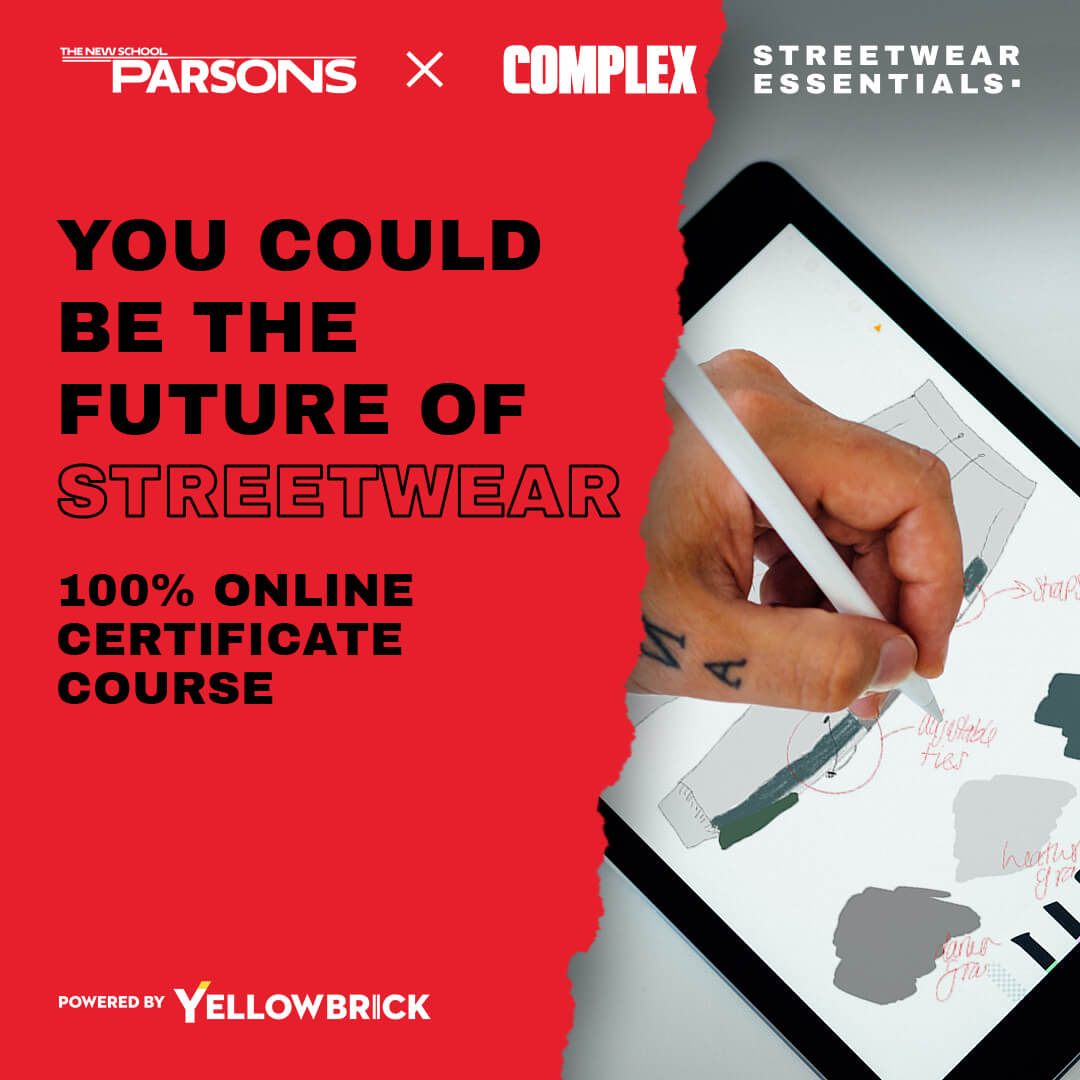
Enhance your fashion business skills with the Parsons Streetwear Essentials online course.