Getting a fashion internship is an important step toward building a career in the fashion industry. Whether you want to become a fashion designer, stylist, merchandiser, marketer, or buyer, an internship can give you valuable experience and introduce you to the people and processes behind the business.
Fashion internships allow students, recent graduates, and aspiring professionals to apply what they have learned in real workplace settings. They also provide opportunities to develop practical skills, understand industry expectations, and build professional connections.
However, securing an internship requires more than simply sending applications. You need to identify the right opportunities, prepare a strong resume and portfolio, communicate your interests effectively, and demonstrate your willingness to learn.
Here are seven essential steps to help you find and secure a fashion internship.
1. Research the Fashion Industry and Identify Your Interests
Before applying for internships, determine which areas of the fashion industry match your interests, abilities, and career goals. Fashion offers many career paths, and understanding your preferred direction will help you focus your search.
Explore different career opportunities. Consider the various departments where interns may work. Fashion design internships involve assisting with sketches, garment development, fabric selection, and sample preparation. Fashion marketing internships focus on social media, advertising, campaigns, and brand promotion. Merchandising internships may involve product planning, inventory, sales analysis, and trend research. Other opportunities include styling, public relations, fashion journalism, and retail management.
Identify your strengths and interests. Think about the activities you enjoy and the skills you already possess. If you enjoy drawing and creating clothing concepts, design may be a suitable direction. If you prefer communicating with people and developing promotional content, fashion marketing or public relations may be a better fit.
Research potential employers. Explore clothing brands, fashion houses, design studios, retail companies, public relations agencies, and fashion publications. Review their products, company values, creative direction, and business activities. Focus on organizations that offer opportunities related to your career interests.
Understand internship requirements. Some companies accept students with limited experience, while others prefer applicants with specific software skills, academic backgrounds, or previous projects. Review these requirements before applying so you can prepare accordingly.
A focused search helps you identify internships that offer relevant experience instead of applying randomly to positions that may not support your long-term goals.
2. Prepare a Professional Resume and Portfolio
Your resume and portfolio are important tools for introducing yourself to potential employers. They should demonstrate your abilities, interests, and potential contribution to the company.
Create a tailored resume. Include your educational background, relevant skills, academic projects, volunteer work, part-time employment, and previous experience. Highlight abilities that match the internship, such as graphic design, photography, writing, research, communication, organization, or familiarity with fashion software.
If you have limited professional experience, include school projects, personal creative work, and extracurricular activities that demonstrate responsibility and relevant skills.
Build a strong portfolio. A portfolio is particularly important for applicants interested in fashion design, styling, photography, and creative roles. Include your best work, such as clothing sketches, illustrations, mood boards, styling concepts, graphic designs, photographs, and completed projects.
Show your creative process. Do not focus only on finished outputs. Include selected examples of how you developed an idea, conducted research, chose materials, or solved a design problem. This helps employers understand your thinking and approach to creative work.
Keep your application materials organized. Use a clean resume layout and arrange your portfolio so that your strongest work appears first. Proofread all documents and make sure your contact information is accurate.
Your application materials should communicate not only what you have accomplished but also what you can contribute and learn during the internship.
3. Build Your Network and Make Industry Connections
Networking can help you discover internship opportunities that may not appear on public job boards. Building relationships with fashion professionals can also provide useful advice and a better understanding of the industry.
Attend fashion events and exhibitions. Participate in fashion shows, trade fairs, design exhibitions, workshops, and industry conferences. These events allow you to meet designers, brand representatives, photographers, stylists, and other professionals. Prepare a brief introduction about yourself and your career interests so you can communicate confidently.
Use professional networking platforms. LinkedIn is useful for connecting with fashion professionals, recruiters, and company representatives. Follow fashion brands, join relevant professional groups, and engage with posts related to your interests. You can also use Instagram to discover designers, creative studios, and emerging fashion businesses.
Connect with school alumni. Reach out to graduates from your school who are working in fashion-related careers. Ask about their experiences, how they found their first opportunities, and what skills employers value. Alumni may also provide referrals or direct you to companies accepting interns.
Build genuine professional relationships. Networking should not be limited to asking people for job opportunities. Show interest in their work, participate in relevant discussions, and maintain respectful communication. Meaningful connections develop over time through genuine engagement.
A strong professional network can make your internship search more productive and introduce you to opportunities you might otherwise miss.
4. Apply Strategically and Prepare for Interviews
Once you have identified suitable opportunities and prepared your application materials, focus on submitting strong, personalized applications. A thoughtful application can help you stand out from other candidates.
Write a personalized cover letter. Introduce yourself, explain your interest in the internship, and describe why you want to work with the company. Mention relevant skills, projects, or experiences that connect with the position. Avoid sending the same generic letter to every employer.
Follow application instructions carefully. Review the job description and provide all requested documents. Some employers may ask for a resume, portfolio, cover letter, academic records, or application form. Follow the specified submission method and deadline.
Prepare for common interview questions. Practice answering questions about your interest in fashion, career goals, strengths, weaknesses, and previous experiences. Be ready to explain why you chose the company and what you hope to learn from the internship.
Research the company before the interview. Study its history, products, target audience, recent collections, campaigns, and brand identity. This preparation will help you give more specific answers and demonstrate genuine interest.
Show professionalism and curiosity. Dress appropriately for the company culture, arrive on time, communicate clearly, and listen carefully. You do not need to know everything about the fashion industry as an intern. Employers often value applicants who are responsible, adaptable, and willing to learn.
A well-prepared interview gives you an opportunity to demonstrate your personality, knowledge, and potential beyond what appears in your resume.
5. Use Effective Strategies to Find Internship Opportunities
Finding a fashion internship requires consistent searching and active communication. Instead of relying on one source, explore different channels to increase your chances of discovering suitable positions.
Search online job boards. Explore platforms such as LinkedIn Jobs, Indeed, Glassdoor, and fashion-focused career websites. Use specific search terms such as fashion design intern, fashion marketing intern, merchandising intern, or fashion styling assistant.
Check company career pages. Visit the official websites of fashion brands, retailers, design studios, and other organizations. Some companies publish internship opportunities directly on their careers pages before promoting them elsewhere.
Explore internship platforms. Look for student internship programs, creative industry placements, and opportunities offered through universities or professional organizations. Review eligibility requirements, application deadlines, and internship arrangements carefully.
Contact companies directly. If a company interests you but has no advertised internship opening, consider sending a professional inquiry. Introduce yourself, briefly explain your interests, and ask whether the company accepts interns or offers work experience opportunities. Attach your resume or portfolio when appropriate.
Ask alumni and professional contacts for guidance. People already working in fashion may know about upcoming openings or organizations that regularly accept interns. A referral does not guarantee an opportunity, but it can help you identify relevant employers and understand their application processes.
Track your applications. Keep a record of the companies you contacted, submission dates, application requirements, interview schedules, and responses. Following up professionally after an appropriate period can show continued interest without overwhelming recruiters.
Being organized and consistent makes it easier to manage multiple applications and respond promptly when opportunities arise.
6. Make the Most of Your Internship Experience
Securing an internship is only the beginning. The experience becomes valuable when you actively participate, develop new skills, and build professional relationships.
Take initiative and ask questions. Show interest in the tasks assigned to you and ask for clarification when necessary. Observe how experienced employees complete their work and learn from their methods. Being curious and proactive demonstrates your willingness to improve.
Gain practical experience. Participate in projects related to your department whenever possible. You may assist with design research, product preparation, photoshoots, social media campaigns, inventory organization, or fashion events. Take every appropriate opportunity to understand how the company operates.
Practice workplace professionalism. Follow instructions, respect deadlines, communicate clearly, and remain organized. Be dependable when handling assigned responsibilities, even when the tasks seem simple.
Build relationships with colleagues. Get to know the people you work with and show respect for their knowledge and experience. Observe how different departments collaborate and how their responsibilities contribute to the company’s overall operations.
Ask for feedback. Request constructive comments about your performance and use them to identify areas for improvement. Keep track of the skills you develop and the projects you complete, especially those you may be able to include in your portfolio with the company’s permission.
A successful internship is not measured only by the company name on your resume. It is also measured by the knowledge, skills, and professional habits you develop.
7. Continue Learning and Improving Your Skills
The fashion industry changes constantly, so professional development should continue even after your internship ends. Building new skills and staying informed can help you become more competitive when applying for future positions.
Pursue relevant courses and workshops. Consider taking additional classes in fashion design, merchandising, marketing, styling, photography, or garment construction. Short courses and workshops can help you develop specialized skills that complement your education and work experience.
Improve your technical abilities. Depending on your chosen career path, learn software and tools used in the industry. Fashion designers may benefit from learning Adobe Illustrator and Photoshop, while marketing interns can develop skills in content creation, digital advertising, and analytics.
Stay informed about fashion developments. Follow fashion publications, industry news, emerging designers, and new technologies. Understanding current developments can help you contribute more effectively to projects and recognize new career opportunities.
Continue building your portfolio. Add completed projects, selected internship work, and personal creative assignments as your experience grows. Always obtain permission before sharing confidential company materials or work that belongs to an employer.
Reflect on your career goals. Evaluate what you enjoyed during your internship and which responsibilities matched your strengths. Use these insights to decide whether to pursue another internship, apply for an entry-level position, continue your education, or explore a different area of fashion.
Continuous improvement helps you turn an internship into a foundation for long-term professional growth.
Conclusion
Getting a fashion internship requires preparation, persistence, and a genuine interest in the industry. By identifying your preferred career path, preparing a professional resume and portfolio, building industry connections, and applying strategically, you can improve your chances of securing a valuable opportunity.
Once you become an intern, make the most of the experience by participating actively, learning from professionals, and developing practical skills. Remember that an internship is not simply a temporary position. It is an opportunity to understand the fashion business, discover your strengths, and establish relationships that may support your future career.
With consistent effort and a willingness to learn, a fashion internship can become an important first step toward a successful career in the fashion industry.
Key Takeaways:
- Identify your preferred area of the fashion industry before searching for internships.
- Prepare a tailored resume and a portfolio that highlights your relevant skills and creative work.
- Attend fashion events and use professional platforms to connect with industry professionals.
- Submit personalized applications and prepare thoroughly for interviews.
- Search company websites, job boards, internship platforms, and professional networks for opportunities.
- Make the most of your internship by taking initiative, asking questions, and building professional relationships.
- Continue developing your technical skills, industry knowledge, and portfolio after completing your internship.
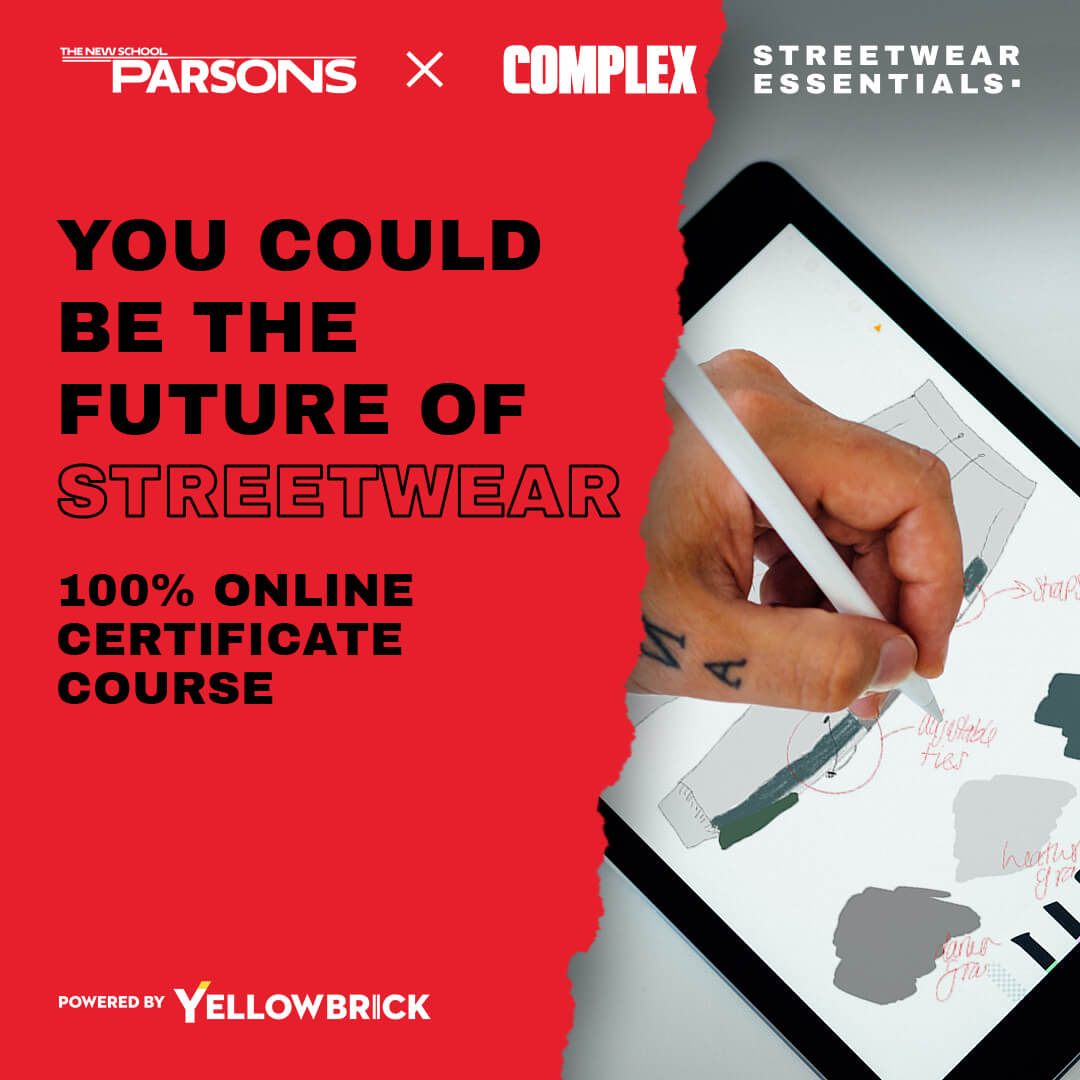
Ready to enhance your fashion career? Explore the Parsons Streetwear Essentials online course.