Sports broadcasting has become one of the most dynamic and influential fields within the sports industry. With the rise of digital platforms, live streaming, and global audiences, the demand for skilled sports broadcasters has never been higher. Aspiring professionals can gain a competitive edge by enrolling in specialized sports broadcasting courses that cover key skills, industry trends, and practical insights.
1. Importance of Sports Broadcasting Courses
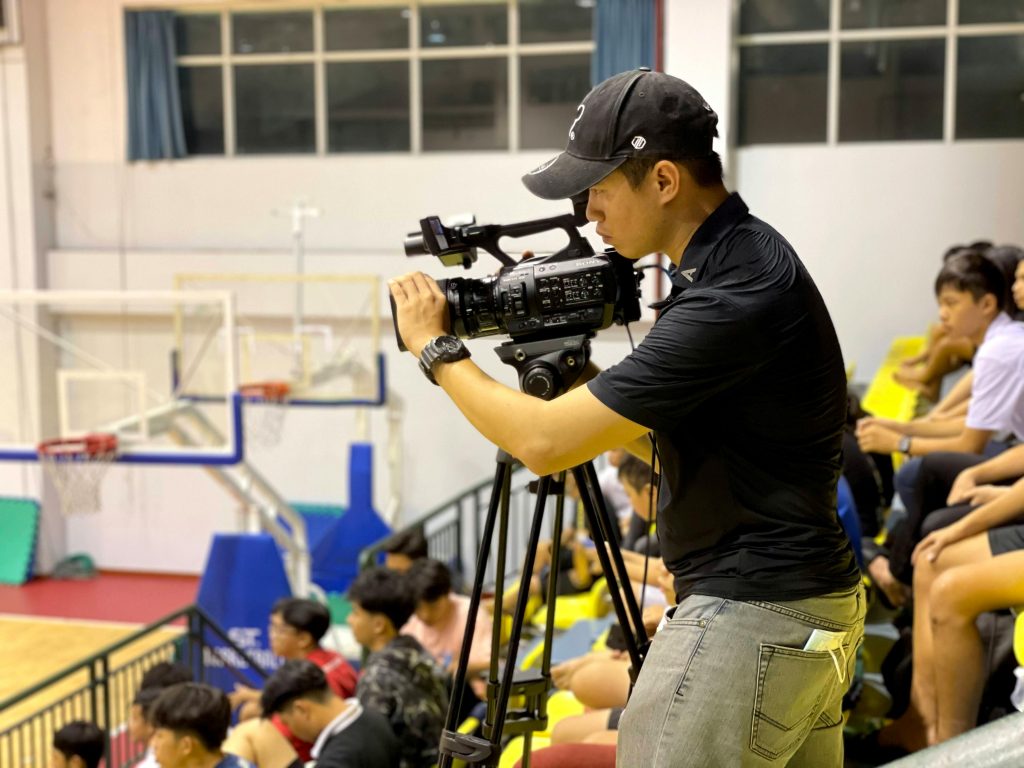
Sports broadcasting courses equip aspiring commentators, anchors, and media professionals with the technical and creative skills needed to thrive. These programs often combine theoretical knowledge with hands-on training, covering aspects such as live commentary, media production, sports journalism, and storytelling. They also provide exposure to real-world broadcasting environments through internships and workshops.
2. Key Skills Taught in Sports Broadcasting Courses
Students in sports broadcasting programs gain a wide range of skills, including:
- Play-by-play commentary and color analysis
- On-camera presence and voice training
- Scriptwriting and sports reporting
- Audio and video editing for broadcasts
- Digital media strategies for sports coverage
- Interviewing athletes and coaches
These skills prepare graduates to work across multiple platforms, from television to digital streaming.
3. Current Trends in Sports Broadcasting
The sports broadcasting landscape is rapidly evolving, influenced by technology and audience behavior. Some of the top trends include:
- Digital & Streaming Platforms: More fans are consuming sports via platforms like YouTube, Twitch, and specialized sports apps.
- Interactive Broadcasting: Features like live polls, fan chats, and augmented reality are enhancing viewer engagement.
- Esports Broadcasting: The rise of esports has created new broadcasting opportunities, with specialized commentary and production styles.
- Data-Driven Storytelling: Broadcasters now integrate real-time stats, graphics, and analytics into broadcasts to enhance storytelling.
- Global Reach: Broadcasters must adapt to international audiences, requiring cultural awareness and multilingual commentary.
4. Career Opportunities After Sports Broadcasting Courses
Graduates of sports broadcasting programs can pursue diverse roles, such as:
- Sports commentator or play-by-play announcer
- Studio host or sideline reporter
- Sports journalist for TV, radio, or digital platforms
- Producer or director for sports broadcasts
- E-sports caster and host
- Multimedia content creator for sports brands
These roles allow professionals to engage audiences across traditional and digital platforms.
5. Choosing the Right Sports Broadcasting Course
When selecting a program, aspiring broadcasters should consider:
- Curriculum: Does it cover both traditional broadcasting and digital media?
- Hands-On Training: Are there opportunities for internships, workshops, or live broadcast practice?
- Faculty Expertise: Are the instructors industry professionals with relevant experience?
- Industry Connections: Does the program have strong partnerships with sports networks, teams, or media companies?
- Technology Access: Are students trained on modern broadcasting tools and software?
Conclusion
Sports broadcasting is no longer limited to television—it has expanded into digital, interactive, and global spaces. Enrolling in a top sports broadcasting course provides the essential skills, industry exposure, and practical experience needed to succeed in this fast-paced field. By embracing new trends and staying adaptable, aspiring broadcasters can build impactful careers in one of the most exciting areas of the sports industry.
Key Takeaways:
- Sports broadcasting courses build core skills in commentary, reporting, production, and digital media.
- Industry trends like streaming, interactivity, esports, and global audiences are reshaping the field.
- Career paths span commentators, reporters, producers, and esports hosts across TV and digital.
- The best courses offer hands-on training, expert faculty, and strong industry connections.
Embark on a rewarding journey in sports broadcasting by mastering essential skills through a comprehensive course. Consider enrolling in the NYU Fundamentals of Global Sports Management online course and certificate program offered by Yellowbrick to elevate your career in sports media.