In today’s dynamic sports industry, leadership is more than managing teams or making game-day decisions. True sports leadership requires vision, adaptability, communication, and the ability to inspire both athletes and organizations. A professional course in sports leadership offers the opportunity to sharpen these skills, build confidence, and prepare for success in an increasingly competitive field.
1. Why Sports Leadership Matters
Effective leadership is the cornerstone of success in sports organizations. It influences performance, culture, and long-term growth. Strong leaders can:
- Motivate and inspire teams toward shared goals.
- Make data-driven and ethical decisions under pressure.
- Foster collaboration and resilience in high-stakes environments.
- Shape the culture of sports organizations for lasting impact.
2. What a Professional Course Offers
A sports leadership course equips participants with knowledge and strategies tailored to the unique challenges of the sports industry. Key areas typically include:
- Strategic Management – Understanding organizational dynamics and growth.
- Communication Skills – Building trust, resolving conflicts, and inspiring others.
- Sports Marketing & Branding – Enhancing visibility and value within the sports ecosystem.
- Data & Analytics in Sports – Using insights to drive performance and engagement.
- Ethics & Governance – Leading with integrity and accountability.
3. Who Should Enroll
A professional sports leadership course benefits a wide range of individuals, including:
- Coaches and Trainers – To strengthen leadership both on and off the field.
- Team Managers and Executives – To improve organizational effectiveness and innovation.
- Athletes Transitioning to Leadership Roles – To prepare for post-playing careers.
- Sports Entrepreneurs and Agents – To grow ventures and manage client relationships effectively.
4. Career Advantages of Sports Leadership Training
Pursuing professional training in sports leadership opens doors to numerous opportunities:
- Career Advancement – Stand out in a competitive job market.
- Networking Opportunities – Connect with peers, mentors, and industry leaders.
- Practical Experience – Apply leadership frameworks to real-world sports scenarios.
- Global Perspective – Learn strategies adaptable to international sports contexts.
5. Preparing for the Future of Sports Leadership
The future of sports will demand leaders who can navigate technological innovation, diversity, globalization, and shifting fan expectations. By investing in professional training, individuals can position themselves not just as managers, but as visionaries who will shape the future of the sports industry.
Conclusion
Sports leadership goes beyond tactics and titles—it’s about influence, inspiration, and impact. A professional course offers the structure, guidance, and tools to cultivate these qualities. For coaches, athletes, managers, and entrepreneurs alike, elevating leadership skills through professional education is the key to thriving in the fast-paced, ever-evolving sports landscape.
Key Takeaways:
- Strong sports leadership drives team performance, culture, and long-term success.
- A professional course provides training in strategy, communication, marketing, analytics, and ethics tailored to the sports industry.
- Ideal participants include coaches, executives, athletes transitioning to new roles, and sports entrepreneurs.
- Professional training offers career advancement, networking, practical experience, and global perspectives.
- Future sports leaders must adapt to technology, diversity, globalization, and evolving fan expectations.
- Investing in leadership education helps individuals become influential, impactful, and visionary leaders in the sports landscape.
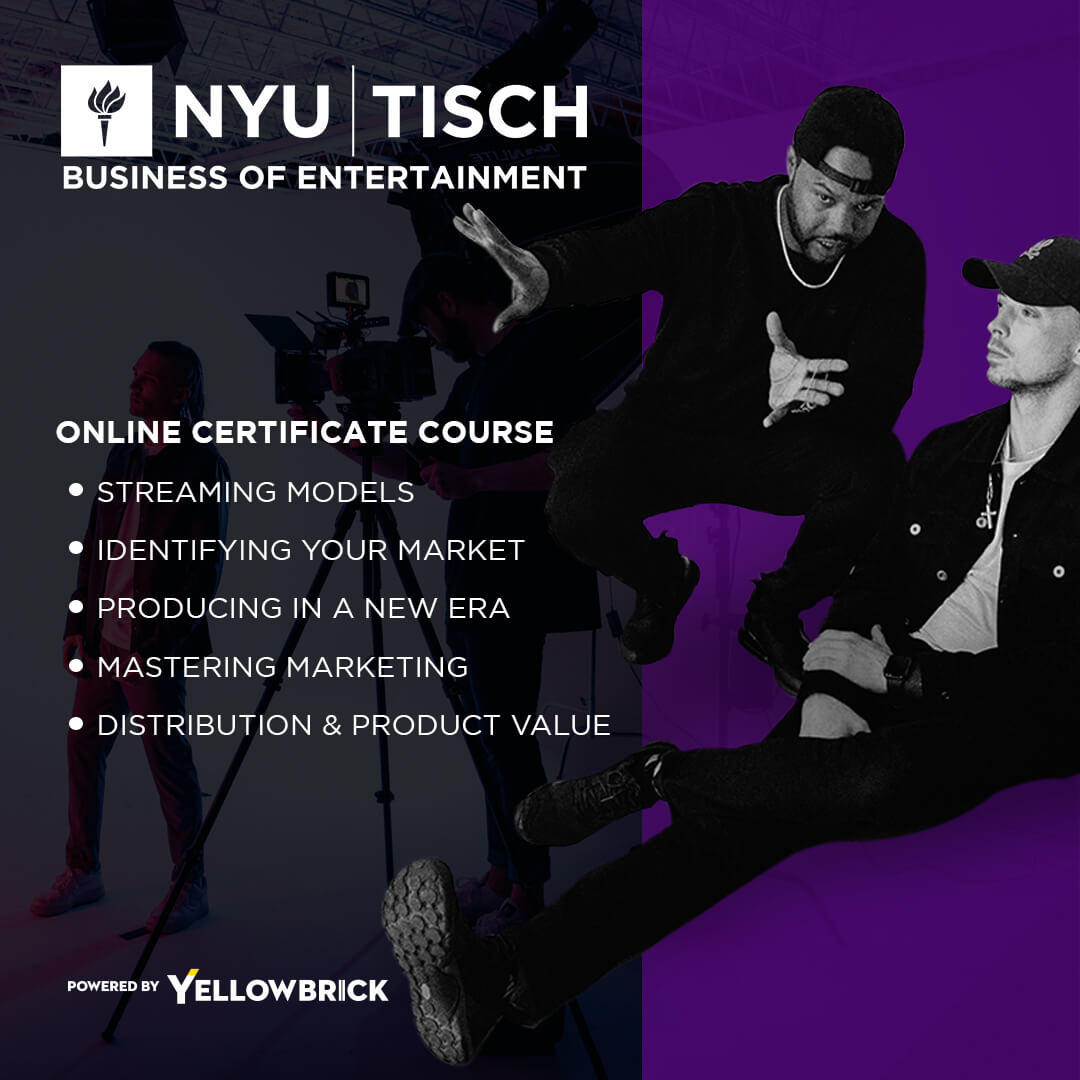
Consider taking the NYU Fundamentals of Global Sports Management online course and certificate program to enhance your skills and excel in the sports industry.