Sports merchandise licensing is one of the most powerful revenue streams in the sports industry. From jerseys and footwear to collectibles and digital products, licensing allows teams, leagues, and athletes to expand their brand reach while generating consistent income. With fan loyalty stronger than ever, organizations that adopt smart licensing strategies can maximize revenue, strengthen brand identity, and build lasting connections with their audience.
1. Understanding Sports Merchandise Licensing
Licensing in sports involves granting rights to manufacturers or retailers to produce and sell merchandise using a team’s, league’s, or athlete’s intellectual property. This can include:
- Apparel and Footwear – Jerseys, caps, sneakers, and training gear.
- Accessories and Lifestyle Products – Bags, watches, and home goods.
- Collectibles and Memorabilia – Signed merchandise and limited-edition items.
- Digital Merchandise – NFTs, virtual jerseys, and in-game items.
2. Key Strategies to Maximize Licensing Revenue
By applying the right strategies, organizations can unlock new income streams, strengthen brand loyalty, and stay ahead in a highly competitive marketplace.
- Diversify Product Offerings – Go beyond traditional apparel to include lifestyle and digital products.
- Leverage Global Markets – Tap into international fan bases with region-specific merchandise.
- Collaborate with Popular Brands – Co-branded collections with fashion or lifestyle labels drive new demand.
- Create Limited Editions – Exclusive drops and collaborations generate hype and urgency among fans.
- Protect Intellectual Property – Ensure licensing agreements safeguard logos, trademarks, and designs from misuse.
- Utilize Data and Analytics – Monitor sales trends and fan preferences to adjust licensing strategies.
3. Benefits of Strong Licensing Programs
Effective licensing creates multiple advantages, including:
- Revenue Growth – Merchandise sales can provide long-term, recurring income streams.
- Brand Visibility – Licensed products extend brand presence into everyday fan life.
- Fan Engagement – Merchandise fosters a sense of belonging and loyalty among fans.
- Global Expansion – Licensing helps brands enter and thrive in new markets.
4. Challenges and How to Overcome Them
While licensing is lucrative, it comes with challenges:
- Counterfeit Products – Protecting against fake merchandise requires strong monitoring and enforcement.
- Market Saturation – Too many products can reduce exclusivity and fan excitement.
- Cultural Sensitivity – Merchandise for global markets must adapt to local cultures and preferences.
- Revenue Sharing – Negotiating fair agreements between licensors and licensees is critical for sustainability.
5. The Future of Sports Merchandise Licensing
As technology advances, licensing will expand into new areas such as:
- E-Commerce and Direct-to-Fan Platforms – Giving organizations more control and higher margins.
- Sustainable Merchandise – Eco-friendly products to appeal to socially conscious consumers.
- Digital Collectibles – NFTs and virtual goods as new revenue streams.
- Personalized Fan Experiences – Customized merchandise based on fan preferences and data insights.
Conclusion
Sports merchandise licensing is no longer limited to jerseys and memorabilia—it’s a dynamic strategy for revenue growth, brand building, and fan engagement. By diversifying products, entering global markets, leveraging data, and embracing digital innovation, sports organizations can maximize licensing revenue while deepening fan loyalty. The future belongs to those who combine creativity with strategy in this fast-evolving sector.
Key Takeaways:
- Licensing transforms team and athlete branding into long-term revenue by extending products beyond the game into everyday fan life.
- Expanding beyond jerseys into lifestyle goods, digital assets, and exclusive collaborations keeps merchandise relevant and desirable.
- Global and data-driven strategies help organizations tailor products to diverse fan bases and shifting preferences.
- Strong licensing builds both financial growth and emotional fan loyalty, but success requires balancing exclusivity, cultural fit, and fair partnerships.
- The future of licensing is increasingly digital, sustainable, and personalized, with direct-to-fan platforms reshaping control and profitability.
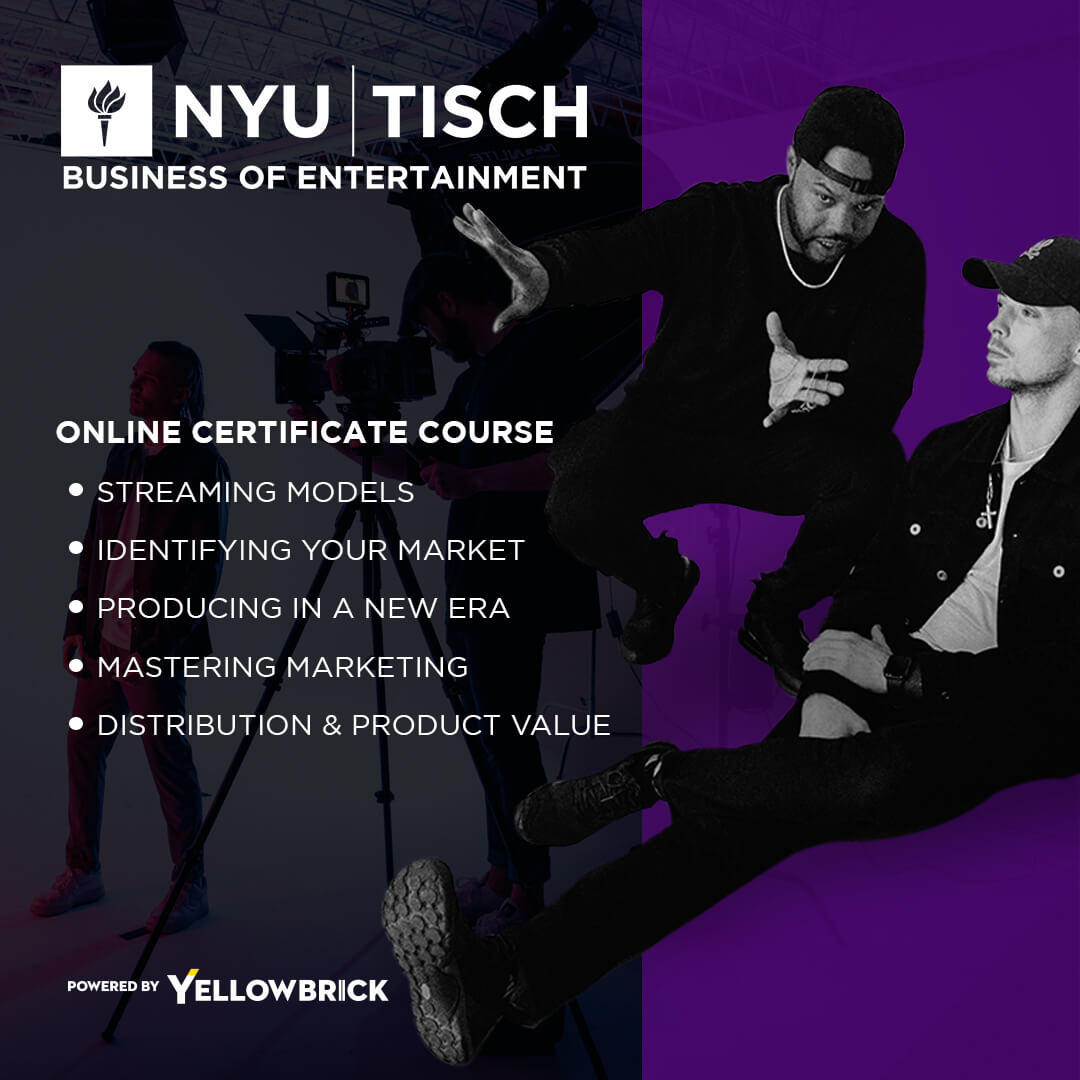
Consider enhancing your expertise with a sports leadership course to excel in this dynamic industry. Explore the NYU Fundamentals of Global Sports Management online course and certificate program for a competitive edge.