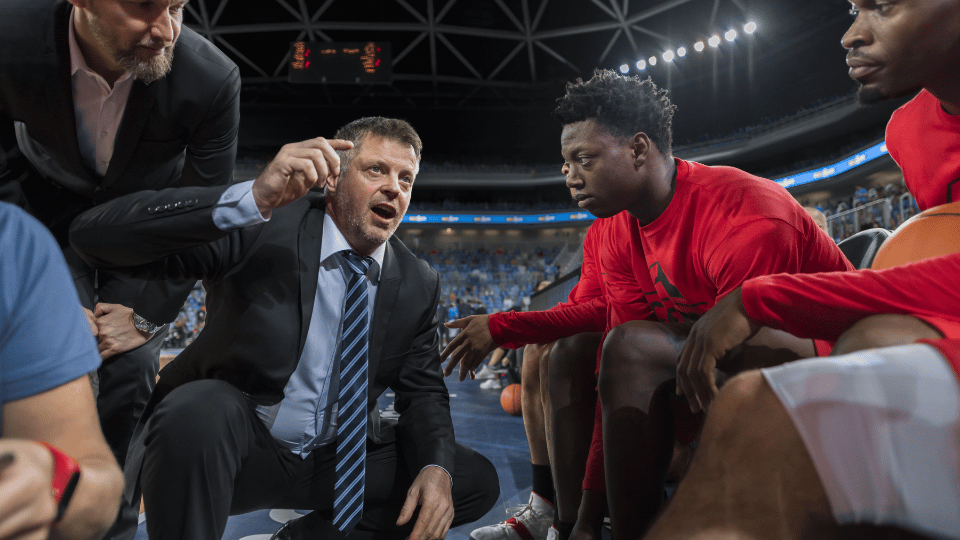
Behind every successful athlete is a skilled manager who handles the complexities of contracts, endorsements, and career planning. Athlete managers play a vital role in guiding professional athletes, ensuring they thrive both on and off the field. This career requires a blend of business acumen, people skills, and industry knowledge. Understanding the job description, essential skills, and career outlook can help aspiring professionals prepare for success in athlete management.
Athlete Manager Job Description
An athlete manager oversees nearly every aspect of an athlete’s professional life. Their responsibilities extend beyond financial and business matters, often touching personal and lifestyle management as well. Typical duties include:
- Negotiating contracts with teams, sponsors, and brands.
- Managing endorsements, sponsorship deals, and media appearances.
- Coordinating schedules, travel arrangements, and public engagements.
- Advising athletes on career decisions, investments, and post-career opportunities.
- Serving as the main liaison between athletes, teams, coaches, and sponsors.
In many cases, athlete managers also provide personal support, ensuring the athlete maintains balance and focus throughout their career.
Essential Skills for Athlete Management
To succeed in this role, managers need a diverse set of skills:
- Business and Negotiation Skills – Understanding contracts, endorsements, and financial planning is central to the job. Strong negotiation skills help secure favorable deals for clients.
- Communication and Relationship-Building – Managers must effectively connect with athletes, coaches, sponsors, and media. Clear communication builds trust and lasting partnerships.
- Organizational and Time Management Skills – Handling schedules, contracts, and commitments requires exceptional organizational abilities.
- Industry Knowledge – Awareness of sports regulations, market trends, and brand partnerships enables managers to position athletes strategically.
- Adaptability and Problem-Solving – The sports world moves quickly, so managers must respond to challenges and opportunities with flexibility and creativity.
- Confidentiality and Integrity – Athletes trust managers with sensitive information. Upholding professionalism and ethical standards is non-negotiable.
Career Insights and Pathways
Most athlete managers begin by studying sports management, business administration, or related fields. Internships and assistant roles provide hands-on exposure and networking opportunities. Building a strong reputation often comes from gaining trust, delivering results, and developing a wide network within the sports industry.
The career path can lead to working with individual athletes, management agencies, or large sports organizations. With experience, managers may expand into leadership roles, overseeing multiple athletes or even running their own agency.
Career Outlook
Athlete management is a competitive but rewarding field. With the global sports industry continuing to grow, the demand for skilled managers is increasing. Managers who combine industry expertise with innovation—such as leveraging digital platforms, data insights, and global market opportunities—are especially well-positioned for long-term success.
Conclusion
Athlete management is more than just a behind-the-scenes role; it’s about shaping careers and building lasting legacies. By mastering essential skills, gaining industry knowledge, and developing strong relationships, aspiring managers can thrive in this fast-paced and dynamic profession. For those passionate about both sports and strategy, athlete management offers an exciting and impactful career path.
Key Takeaways:
- Athlete managers are central to athletes’ success, balancing contract negotiations, endorsements, schedules, and personal support.
- The role demands a mix of business expertise, negotiation ability, communication strength, and organizational skill.
- Industry knowledge, adaptability, and integrity are crucial for managing fast-moving opportunities and maintaining trust.
- Career entry often comes through education in sports management or business, supported by internships and assistant roles that build experience and networks.
- Long-term success depends on reputation, relationships, and the ability to innovate through digital tools and global market awareness.
- Athlete management is highly competitive but offers rewarding opportunities for those passionate about guiding athletes and shaping careers.
To further enhance your skills in sports management, consider enrolling in the NYU Fundamentals of Global Sports Management online course and certificate program.