Embarking on a career as an audio engineer opens up a world of possibilities in the realm of sound production and music technology. Whether you aspire to work in recording studios, live events, film production, or gaming, the role of an audio engineer is diverse and exciting. In this article, we will explore the various career paths available to audio engineers and the essential skills and qualifications needed to thrive in this dynamic field.
Studio Recording Engineer
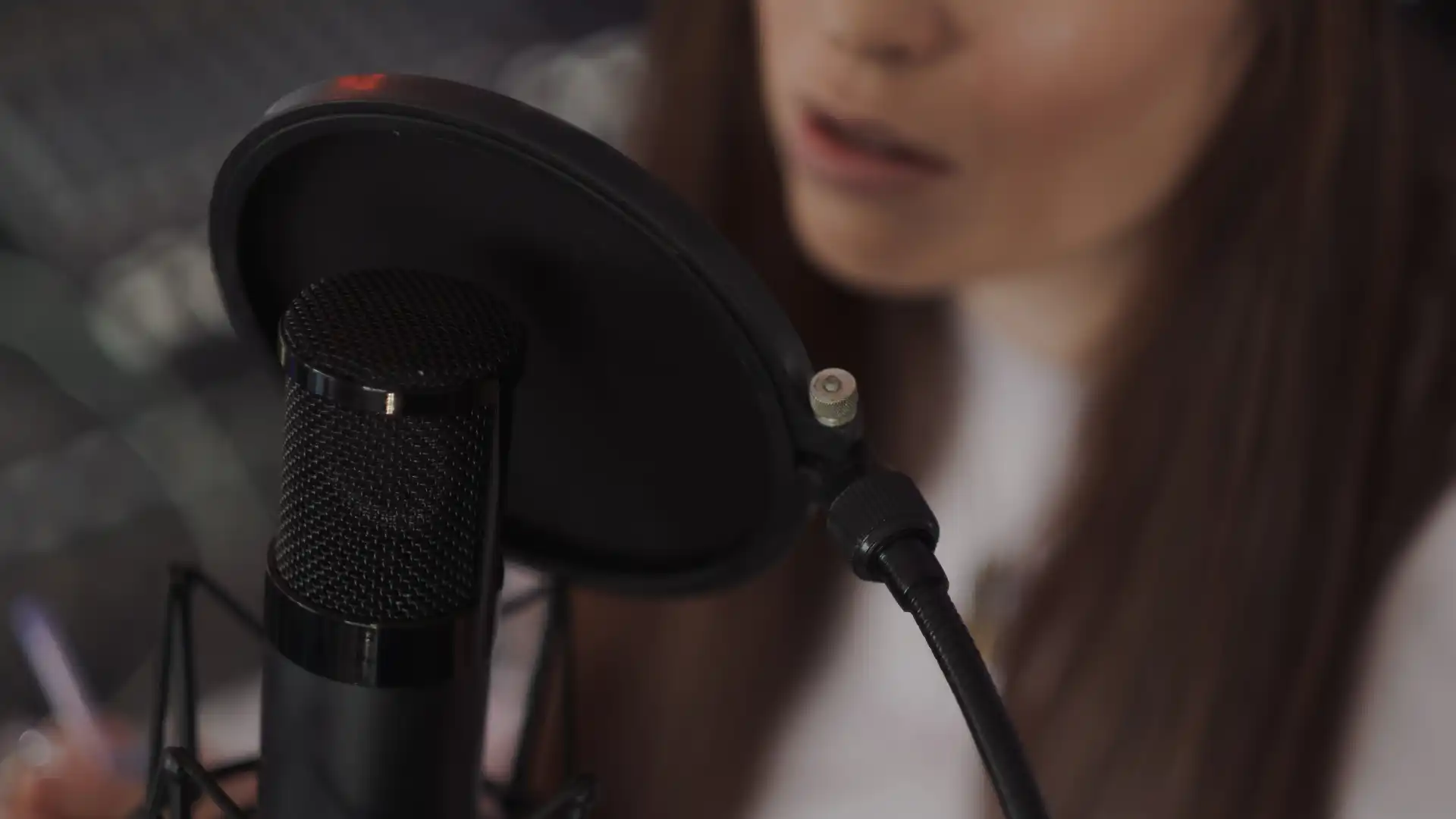
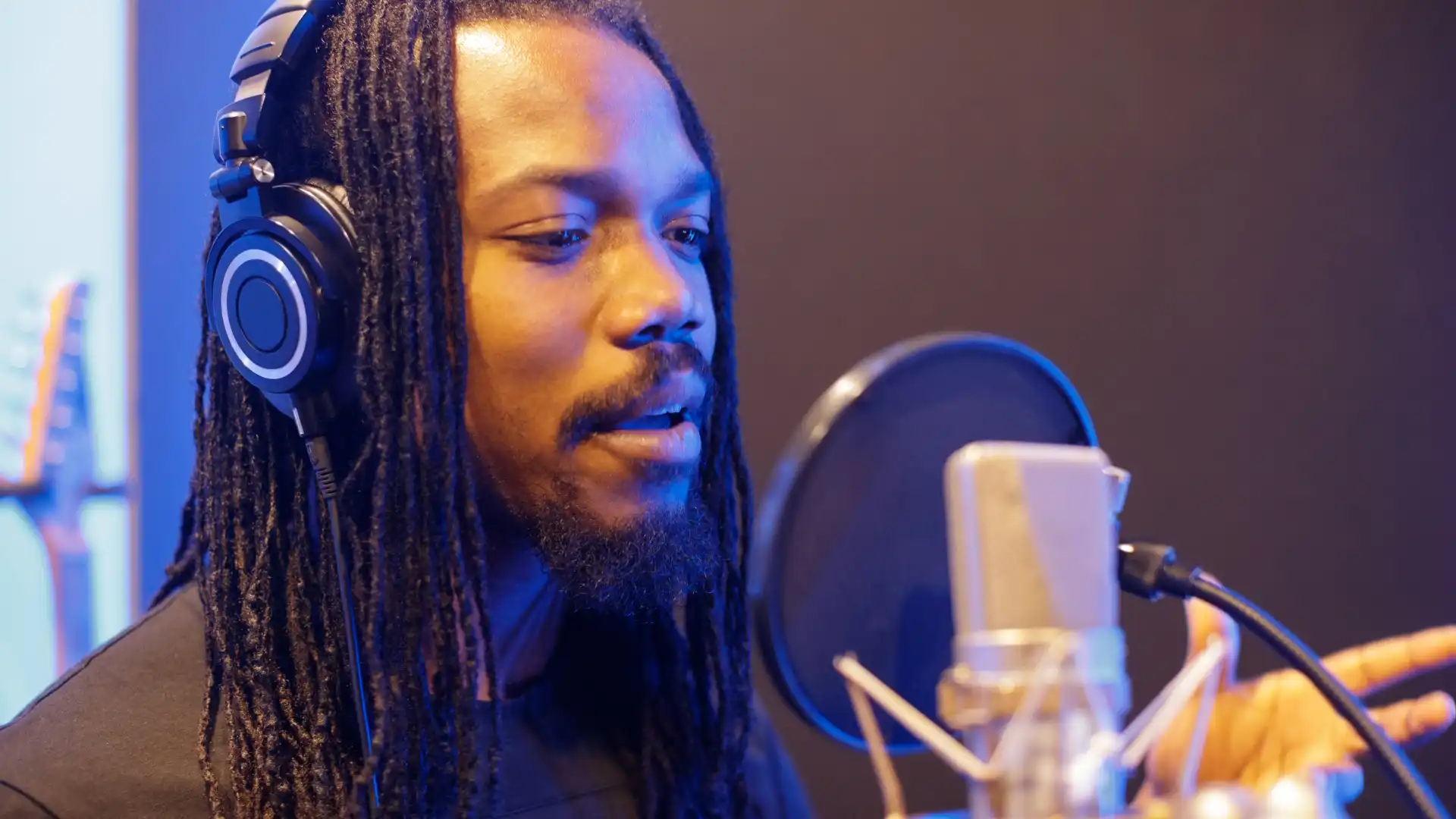
Studio recording engineers are responsible for capturing high-quality audio recordings in a studio environment. They work closely with artists, producers, and other music professionals to achieve the desired sound for each project. A deep understanding of microphone placement, signal flow, and studio equipment is crucial for success in this role.
Live Sound Engineer
Live sound engineers play a vital role in ensuring optimal audio quality during live events, concerts, and performances. They are responsible for setting up sound systems, monitoring audio levels, and troubleshooting any technical issues that may arise. Strong knowledge of sound reinforcement systems, venue acoustics, and on-the-spot problem-solving skills are essential for live sound engineers.
Mixing Engineer
Mixing engineers specialize in blending individual audio tracks together to create a cohesive and balanced final mix. They work on post-recording production, adjusting levels, adding effects, and fine-tuning the overall sound of a recording. Proficiency in audio mixing software, equalization techniques, and a keen ear for detail are key skills for mixing engineers.
Mastering Engineer
Mastering engineers focus on the final polish of audio tracks before they are released to the public. They ensure consistency, balance, and optimal playback across various platforms. Expertise in mastering software, audio dynamics, and critical listening skills are essential for mastering engineers to deliver top-quality masters.
Sound Designer
Sound designers are responsible for creating and manipulating audio effects for various media projects, including films, video games, and commercials. They use sound design software, Foley recording techniques, and sound editing to enhance storytelling through sound. Creativity, attention to detail, and a strong understanding of sound theory are crucial for sound designers.
Audio Post-Production Engineer
Audio post-production engineers work on sound editing and mixing for films, TV shows, and other media projects. They clean up audio tracks, add sound effects, and ensure that the audio complements the visual content. Proficiency in post-production software, dialogue editing, and sound restoration techniques is essential for post-production engineers.
Acoustic Consultant
Acoustic consultants specialize in optimizing sound quality in architectural spaces such as recording studios, concert halls, and theaters. They use their expertise in acoustics, soundproofing techniques, and room acoustics design to create optimal listening environments. Strong analytical skills, technical knowledge, and attention to detail are critical for acoustic consultants.
Broadcast Engineer
Broadcast engineers work in radio and television stations, ensuring that audio equipment and broadcast signals function smoothly. They manage audio transmission systems, troubleshoot technical issues, and maintain broadcast quality standards. Knowledge of broadcast technology, audio routing systems, and regulatory requirements is essential for broadcast engineers.
Audio Educator
Audio educators play a pivotal role in teaching and mentoring aspiring recording engineers. They share their knowledge of sound theory, recording techniques, and industry trends to inspire the next generation of audio professionals. Expertise in audio education methods, curriculum development, and instructional technology is crucial for audio educators.
Studio Manager
Studio managers oversee the day-to-day operations of recording studios, ensuring projects are completed on time and within budget. They coordinate studio bookings, manage equipment maintenance, and handle client relations. Strong organizational skills, project management expertise, and business acumen are essential for studio managers to run a successful recording facility.
Conclusion
A career as an audio engineer offers diverse opportunities across music, live events, film, broadcasting, and other media. With strong technical skills, creativity, hands-on experience, and a commitment to continuous learning, aspiring audio engineers can succeed in this dynamic field. Exploring different career paths can help you find a rewarding role that matches your interests and strengths.
Key Takeaways:
- Audio engineering offers diverse career opportunities across music, film, broadcasting, live events, and media.
- Each role requires specialized technical skills and industry knowledge.
- Hands-on experience is essential for developing practical audio engineering abilities.
- Creativity, attention to detail, and problem-solving skills are valuable across many audio careers.
- Continuous learning can help audio engineers adapt and grow in the industry
Consider enhancing your skills and knowledge in audio engineering by enrolling in the Juilliard Songwriting Across Genres online course and certificate program offered by Yellowbrick. This program can provide you with valuable insights and expertise to excel in your audio production career.