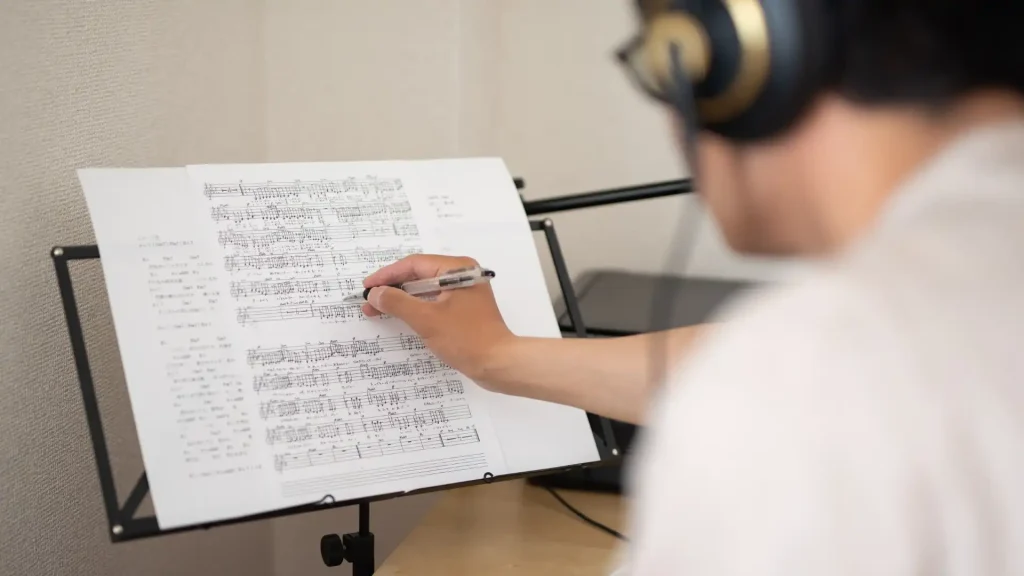
The first step in writing a song is finding inspiration. Inspiration can come from personal experiences, emotions, observations, or even other pieces of music. Keep a journal, listen to different genres, explore nature, or engage in conversations to spark your creativity and find ideas for your songs.
Choosing a Theme
Once you have found inspiration, it’s essential to choose a theme or topic for your song. Themes can range from love and heartbreak to social issues, personal growth, or storytelling. Selecting a theme will give your song direction and coherence, guiding the lyrics and melody towards a unified message.
Crafting Lyrics
Lyrics are the heart and soul of a song, conveying the emotions and messages that resonate with listeners. When crafting lyrics, focus on storytelling, imagery, and emotion. Use vivid language, metaphors, and personal experiences to create lyrics that are relatable, evocative, and memorable.
Creating Melodies
Melodies are the musical backbone of a song, carrying the lyrics and conveying the song’s mood and emotion. Experiment with different chord progressions, scales, and rhythms to create melodies that complement the lyrics and enhance the overall feel of the song. Don’t be afraid to explore new musical ideas and push the boundaries of your creativity.
Structuring Your Song
Song structure plays a crucial role in how listeners experience your music. Common song structures include verse-chorus, verse-verse-chorus, and AABA. Experiment with different structures to find the one that best suits your song’s theme and message. Remember to create contrast between sections to keep the listener engaged.
Adding Instrumentation
Instrumentation can elevate your song to new heights, adding depth, texture, and emotion. Experiment with different instruments, sounds, and arrangements to enhance the mood and atmosphere of your song. Consider incorporating live instruments, virtual instruments, or electronic elements to create a unique sonic landscape.
Seeking Feedback
Feedback is essential for growth and improvement as a songwriter. Share your songs with friends, fellow musicians, or online communities to gather constructive feedback and different perspectives. Embrace criticism as an opportunity to learn and grow, refining your songs to better connect with your audience.
Practicing Consistently
Like any skill, songwriting requires practice and dedication to master. Set aside dedicated time each day to work on your songs, experiment with new ideas, and refine your craft. The more you write, the better you will become at expressing yourself through music and connecting with listeners.
Recording Your Songs
Recording your songs is a crucial step in the songwriting process. Whether you use a simple smartphone recording or a professional studio setup, capturing your songs allows you to hear them objectively, identify areas for improvement, and share your music with others. Experiment with different recording techniques to find the sound that best suits your songs.
Sharing Your Music
Sharing your music with the world is a rewarding experience that can lead to connections, opportunities, and growth as a songwriter. Consider performing at open mic nights, sharing your songs on social media, or collaborating with other musicians to expand your reach and build a supportive community around your music.
Conclusion
Songwriting is a creative journey that blends inspiration, structure, and consistent practice. By developing strong lyrics, melodies, and arrangements—while staying open to feedback and sharing your work—you can turn ideas into meaningful songs that connect with listeners.
Key Takeaways:
- Inspiration is the starting point—draw from experiences, emotions, and the world around you.
- Choosing a clear theme helps guide your song’s message and direction.
- Strong lyrics use storytelling, imagery, and emotion to connect with listeners.
- Melodies shape the mood and bring the lyrics to life.
- Song structure organizes ideas and keeps the listener engaged.
- Instrumentation adds depth, texture, and atmosphere.
- Feedback helps refine your work and improve your songwriting.
- Consistent practice is essential for growth and skill development.
- Recording your songs helps evaluate and share your music.
- Sharing your music creates opportunities, connections, and artistic growth.
Consider exploring the Yellowbrick Juilliard Extension Songwriting Across Genres online course and certificate program to deepen your understanding and refine your songwriting abilities.