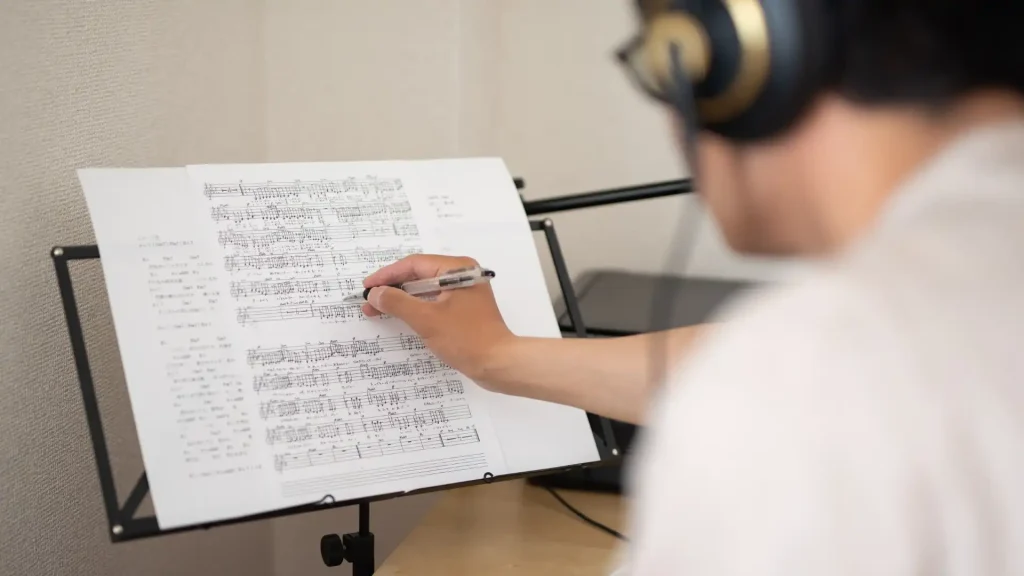
The music industry is filled with a wide range of career paths that shape how songs are written, produced, and shared with the world. While performers often receive the most attention, many professionals work behind the scenes to turn creative ideas into finished music. Exploring these roles not only helps you understand how the industry works but also reveals valuable insights that can strengthen your songwriting and creative decision-making.
Songwriter
Songwriters create the lyrics, melodies, and structures that form the foundation of music. They may write for themselves or for other artists across different genres and media. Studying the work of hitmakers like Max Martin shows how powerful songwriting often relies on emotional clarity, strong hooks, and melodies that are simple yet memorable.
Recording Artist
Recording artists bring songs to life through performance, interpretation, and personality. They transform written material into an emotional experience for listeners. Artists such as Taylor Swift demonstrate how personal storytelling and authentic expression can make songs more relatable and meaningful to audiences.
Music Producer
Music producers shape the overall sound and feel of a track. They guide arrangements, instrumentation, recording techniques, and creative direction. Their work highlights how songwriting is not just about lyrics and melody—it’s also about sonic atmosphere, texture, and how musical elements support emotion.
Audio Engineer
Audio engineers handle recording, mixing, and mastering to ensure music sounds polished and professional, often using tools like Pro Tools. Their role emphasizes the importance of clarity and balance in songwriting, since well-structured arrangements translate more effectively in the studio.
Music Publisher
Music publishers manage song rights, licensing, and royalties, often working with major companies such as Universal Music Group. Their work highlights that songwriting is both a creative and business endeavor, and understanding ownership is essential for protecting your music.
A&R Representative
Artists and Repertoire (A&R) representatives discover talent and help shape artists’ creative direction. They listen for originality, consistency, and market potential, reminding songwriters that developing a recognizable style can be just as important as writing individual songs.
Music Marketing Specialist
Marketing professionals promote music through branding, campaigns, and digital platforms such as Spotify. Their work shows how songs with clear identity, strong hooks, and audience appeal are easier to share and promote.
Live Sound Engineer
Live sound engineers manage audio during concerts and performances, ensuring music translates effectively in real time. Their perspective highlights the value of writing songs with strong structure and dynamics that engage listeners in a live setting.
Music Content Creator
Content creators share performances, tutorials, and original songs online through platforms like YouTube and TikTok. Their work demonstrates how short, engaging musical ideas can quickly capture attention and reach wide audiences.
Composer for Film, TV, and Games
Composers create music that enhances storytelling in visual media, often using production tools like Ableton Live. Their approach shows how music can serve a specific purpose—shaping mood, tension, and narrative through sound.
Conclusion
The music industry thrives on collaboration between creative, technical, and business professionals. Each role contributes a different perspective on what makes music effective, meaningful, and successful. By understanding how these careers influence the creation and distribution of songs, aspiring musicians can develop stronger songwriting skills, clearer artistic direction, and a deeper appreciation for the many forces that bring music to life.
Key Takeaways:
- Enhance your composition skills and develop a unique musical voice as a composer.
- Craft compelling lyrics and melodies that resonate with audiences as a songwriter.
- Gain a deeper understanding of song structure and arrangement to guide artists effectively as a music producer.
- Skillfully adapt melodies, harmonies, and rhythms to create dynamic musical arrangements as an arranger.
- Develop themes and musical cues that enhance storytelling as a film scorer.
- Lead musical ensembles with confidence and creativity by mastering melody writing as a music director.
- Encourage students to explore their musical ideas and compositions as a music educator.
- Create immersive audio experiences that engage audiences on a deeper level as a sound designer.
- Use music as a therapeutic tool to promote healing and self-expression as a music therapist.
- Appreciate the craft behind music and convey its significance to readers as a music journalist.
Consider taking the Juilliard Extension Songwriting Across Genres online course and certificate program offered by Yellowbrick to further enhance your songwriting skills and advance your career in the music industry. Embrace the power of melody writing and embark on a rewarding musical journey filled with creativity and growth.