Lyricists play a vital role in the music industry, crafting compelling and evocative lyrics that resonate with audiences worldwide. Behind every memorable song lies the skill and creativity of a talented lyricist. If you aspire to become a successful lyricist, undergoing proper training is essential to hone your craft and stand out in a competitive industry.
The Art of Lyricist Training
Lyricist training encompasses a wide range of skills and knowledge that are crucial for creating impactful and meaningful lyrics. From mastering poetic techniques to understanding song structure and storytelling, lyricist training equips aspiring writers with the tools they need to craft lyrics that captivate listeners. Developing a strong command of language, imagery, and emotion is essential for lyricists to convey their message effectively and connect with audiences on a deeper level.
Essential Skills for Aspiring Lyricists
Strong lyrics require more than just a way with words—they demand creativity, emotional depth, and the ability to connect with both artists and audiences. Developing the following skills can help aspiring lyricists write meaningful songs, collaborate effectively, and build a successful career in the music industry.
- Creativity: The ability to think outside the box and come up with innovative ideas is key for lyricists to create original and engaging lyrics.
- Emotional Intelligence: Understanding and expressing emotions authentically in lyrics can resonate with listeners and make a song more relatable.
- Storytelling: Crafting compelling narratives and weaving them into lyrics can create a cohesive and engaging musical experience.
- Versatility: Being able to adapt to different musical styles and genres allows lyricists to work across a variety of projects and collaborations.
- Collaboration: Working effectively with composers, musicians, and producers is essential for bringing lyrics to life in a musical context.
Top 10 Career Paths for Trained Lyricists
Completing lyric writing training can open the door to a variety of creative and professional opportunities. From writing songs and jingles to teaching, journalism, and media, trained lyricists can apply their storytelling and writing skills across multiple industries while building a rewarding career.
- Songwriter: Crafting lyrics for songs across various genres and styles, songwriters collaborate with musicians to create compelling musical compositions.
- Jingle Writer: Writing catchy and memorable jingles for commercials, advertisements, and branding campaigns requires a knack for concise and impactful writing.
- Screenwriter: Writing lyrics for film and television projects, including musicals, soundtracks, and theme songs, offers opportunities to blend storytelling with music.
- Ghostwriter: Collaborating with artists and performers to write lyrics on their behalf allows lyricists to showcase their skills while staying behind the scenes.
- Freelance Lyricist: Offering services as a freelance lyricist for projects ranging from albums and singles to commercials and events can provide a diverse and dynamic career.
- Poet: Translating poetic skills into songwriting and lyrical compositions, poets can explore the intersection of spoken word and music.
- Educator: Teaching lyric writing, songwriting, or creative writing in educational settings empowers aspiring lyricists and writers to develop their craft.
- Music Journalist: Writing reviews, features, and articles on music and lyrics allows lyricists to explore the industry from a critical and analytical perspective.
- Translator: Adapting lyrics from one language to another while maintaining the original meaning and emotion requires linguistic skills and cultural sensitivity.
- Podcast Host: Hosting a podcast focused on music, lyrics, or creative writing can provide a platform for sharing insights, interviews, and discussions with fellow lyricists and industry professionals.
Conclusion
Embarking on a career as a lyricist is a journey that requires dedication, perseverance, and a willingness to continuously learn and grow. By immersing yourself in lyricist training, seeking mentorship from experienced professionals, and actively engaging with the music industry, you can pave the way for a successful and fulfilling career as a lyricist. Stay true to your creative vision, embrace feedback and constructive criticism, and let your passion for storytelling and music shine through in every lyric you write.
Key Takeaways:
- Crafting compelling lyrics requires creativity, emotional intelligence, storytelling skills, versatility, and collaboration.
- Career paths for trained lyricists include songwriting, jingle writing, screenwriting, ghostwriting, and more.
- To excel as a lyricist, dedication, continuous learning, and passion for storytelling are essential.
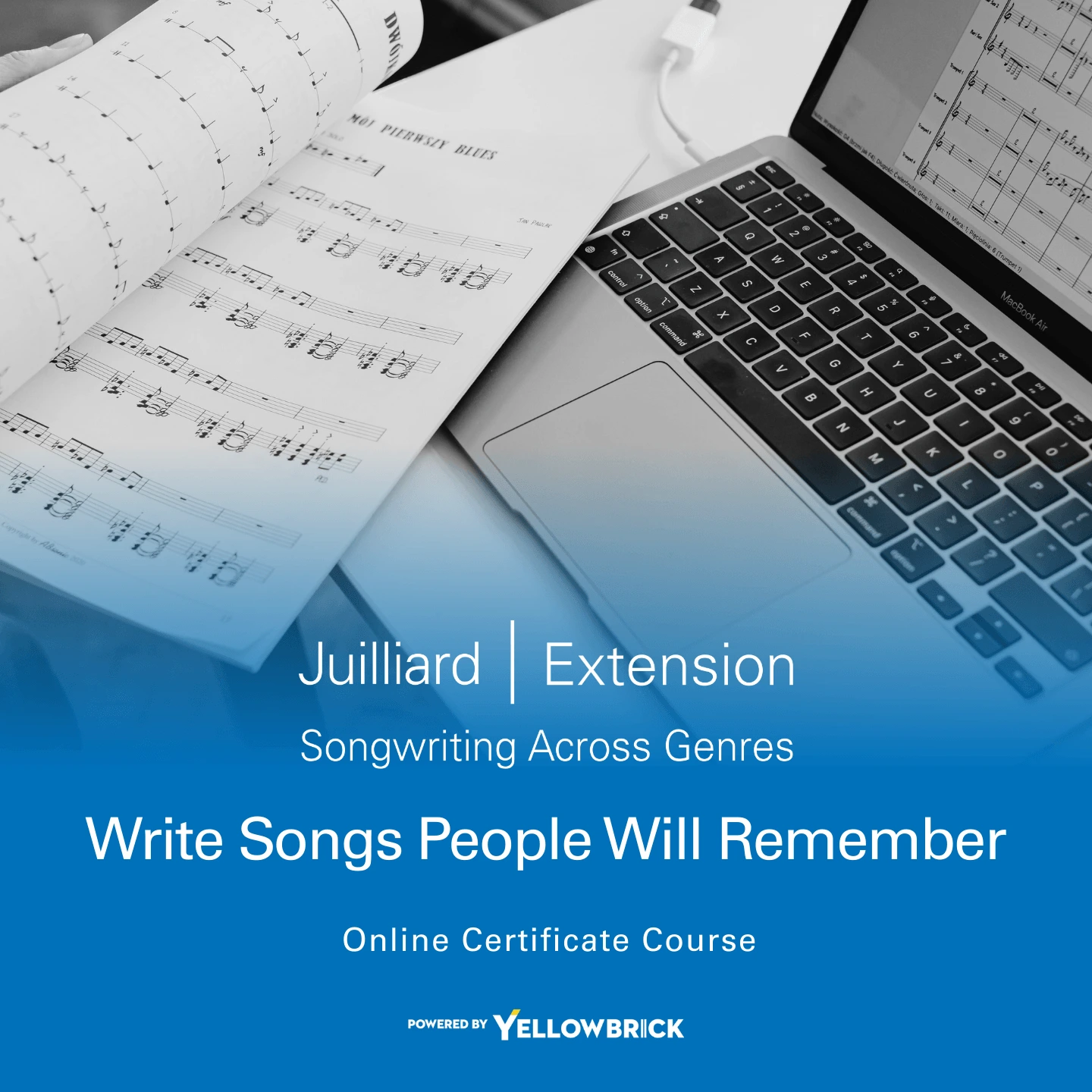
Consider enhancing your lyricist skills and knowledge by enrolling in the Juilliard Songwriting Across Genres online course and certificate program offered by Yellowbrick. This program can provide valuable insights and practical training to elevate your abilities and advance your career as a lyricist in the music industry.