When it comes to the sneaker industry, the quality and appeal of the product are paramount. Sneaker products are not just shoes; they are a statement, a fashion accessory, and a cultural symbol. In this article, we will delve into the world of sneaker products, exploring what makes them so special and how brands can create successful sneaker products that resonate with consumers.
History of Sneaker Products
Sneakers have a rich history that dates back to the 19th century, when rubber-soled shoes became popular for their comfort and functionality. Over the years, sneakers evolved from athletic footwear to fashion staples, with iconic brands like Nike, Adidas, and Puma leading the way in sneaker innovation and design.
Design and Innovation
The design of a sneaker product is crucial in capturing the attention of consumers. From classic silhouettes to cutting-edge technology, sneaker brands invest heavily in research and development to create products that are not only stylish but also comfortable and functional. Innovative features such as air cushioning, knit uppers, and sustainable materials are driving the evolution of sneaker design.
Brand Collaborations
Collaborations between sneaker brands and celebrities, athletes, and fashion designers have become a popular strategy for creating unique and limited-edition sneaker products. These collaborations generate buzz, drive hype, and attract a diverse audience of sneaker enthusiasts who are eager to own a piece of exclusive footwear.
Limited Edition Releases
The concept of limited edition releases has transformed the sneaker industry, creating a sense of scarcity and exclusivity that drives consumer demand. Sneaker brands leverage limited releases to create hype, increase brand loyalty, and command premium prices for coveted products that are highly sought after by collectors and enthusiasts.
Customization and Personalization
Personalization is a growing trend in the sneaker industry, allowing consumers to customize their sneakers with unique colors, materials, and designs. Brands like Nike and Adidas offer customization options that enable customers to create one-of-a-kind sneakers that reflect their individual style and preferences, fostering a deeper connection between the consumer and the product.
Sneaker Resale Market
The sneaker resale market has experienced explosive growth in recent years, driven by sneakerheads and collectors looking to buy, sell, and trade rare and coveted sneaker products. Platforms like StockX, GOAT, and Stadium Goods have emerged as key players in the resale market, providing a marketplace for sneaker enthusiasts to access hard-to-find and limited-edition sneakers.
Sustainability and Ethical Practices
As consumer awareness of environmental issues grows, sneaker brands are increasingly focusing on sustainability and ethical practices in the production of their products. From using recycled materials to reducing carbon emissions, brands are taking steps to minimize their environmental impact and promote ethical manufacturing practices in the sneaker industry.
Influencer Marketing
Influencer marketing has become a powerful tool for promoting sneaker products and reaching a wider audience of consumers. Social media influencers and celebrities with large followings can drive brand awareness, engagement, and sales by showcasing and endorsing sneaker products to their loyal fan base.
Sneaker Product Launch Strategies
The launch of a new sneaker product is a highly anticipated event that requires careful planning and execution. Brands often employ strategic marketing campaigns, teaser releases, and exclusive events to generate excitement and buzz around a new product launch, driving consumer interest and demand.
Consumer Trends and Preferences
Understanding consumer trends and preferences is essential for creating successful sneaker products that resonate with the target audience. Brands must stay attuned to changing fashion trends, cultural influences, and consumer behavior to develop products that align with the tastes and preferences of their customers.
Conclusion
Sneaker products are more than just shoes; they are a reflection of style, identity, and culture. By focusing on design and innovation, embracing collaborations, leveraging limited edition releases, and prioritizing sustainability and ethical practices, sneaker brands can create products that captivate consumers and drive success in the competitive sneaker market.
Key Takeaways:
- Sneakers have evolved from athletic wear to cultural fashion staples with deep historical roots.
- Innovative design and technology (e.g., cushioning, knit uppers, sustainable materials) drive product appeal.
- Collaborations with celebrities, athletes, and designers boost exclusivity and demand.
- Limited-edition releases create scarcity, hype, and higher brand loyalty.
- Customization options strengthen consumer identity and personal connection with products.
- The resale market adds value, with platforms like StockX and GOAT fueling sneaker trading.
- Sustainability and ethical production practices are becoming vital to consumer trust.
- Influencer marketing and social media play a major role in brand visibility and sales.
- Strategic product launches and buzz-building campaigns maximize consumer excitement.
- Staying aligned with consumer trends and preferences ensures long-term success.
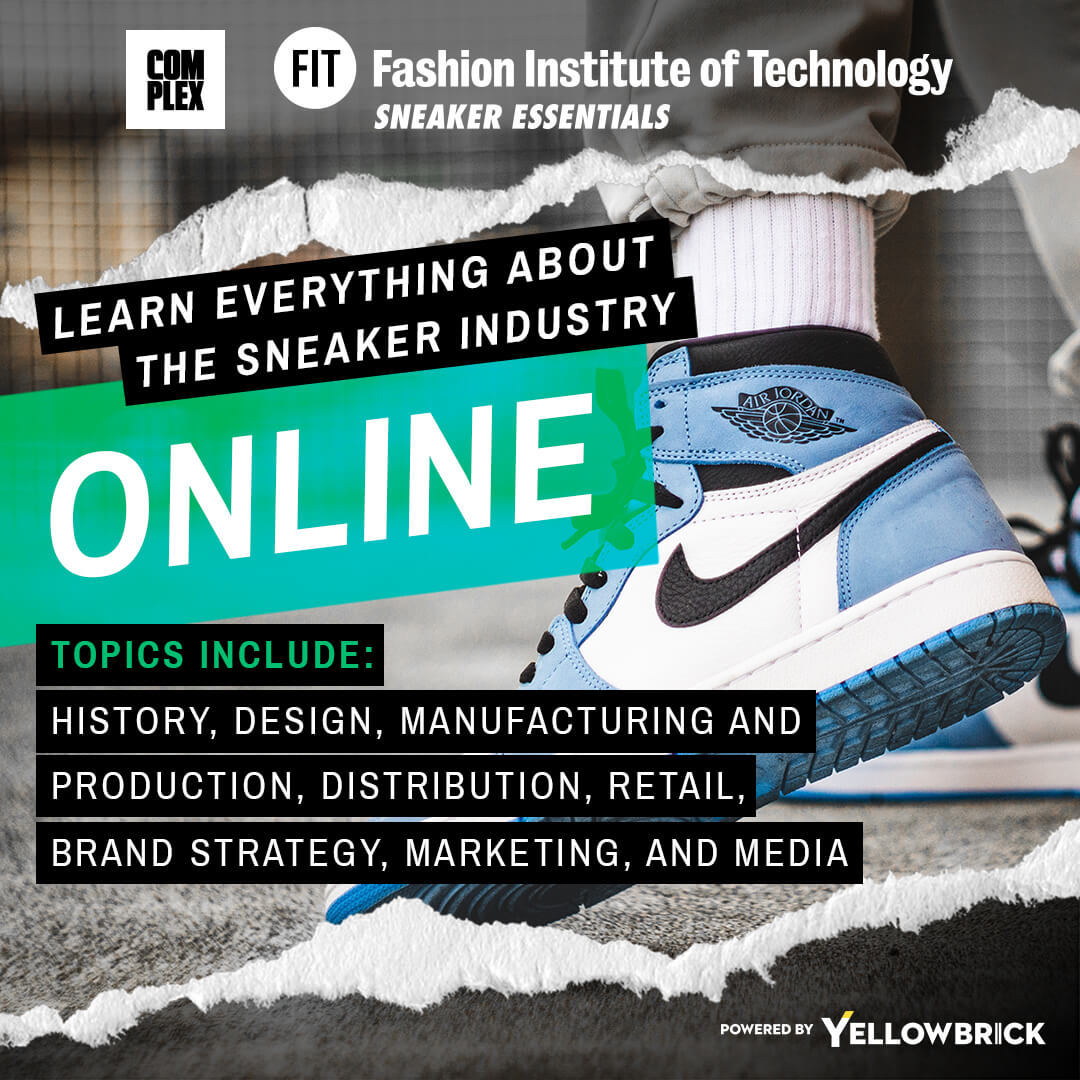
Successful sneaker products require a focus on design, innovation, collaborations, limited editions, sustainability, and consumer trends. Enhance your expertise by considering the FIT x Complex Sneaker Essentials online course and certificate program.