Sneaker reselling has become a lucrative business, with enthusiasts buying limited-edition sneakers and selling them at a premium. However, the legality of sneaker reselling is a topic of debate and confusion among both sellers and buyers. In this article, we will delve into the legal aspects of sneaker reselling to provide clarity on this popular practice.
Understanding the Basics of Sneaker Reselling
Sneaker reselling involves purchasing sneakers at retail prices and then reselling them for a profit. This practice has gained popularity due to the high demand for exclusive and limited-release sneakers. Sneaker resellers often use online platforms, social media, and sneaker marketplaces to reach potential buyers and conduct transactions.
The Legality of Sneaker Reselling
The legality of sneaker reselling hinges on various factors, including intellectual property rights, trademark laws, and the terms and conditions set by sneaker brands and retailers. While reselling sneakers is generally legal, there are certain limitations and guidelines that resellers need to be aware of to avoid legal issues.
Intellectual Property Rights
Sneaker brands hold intellectual property rights over their designs, logos, and brand names. Reselling authentic sneakers that you legally purchased is typically allowed under the “first sale doctrine,” which permits individuals to resell legally purchased goods without infringing on the brand’s intellectual property rights. However, reselling counterfeit or fake sneakers is illegal and constitutes trademark infringement.
Brand Policies and Terms of Sale
Sneaker brands and retailers often have specific policies and terms of sale that govern the resale of their products. Some brands may restrict the resale of limited-release sneakers or impose conditions on how and where the sneakers can be resold. Resellers need to familiarize themselves with these policies to ensure compliance and avoid legal repercussions.
Resale Marketplaces and Platforms
Online resale platforms play a significant role in the sneaker reselling market. Platforms like StockX, GOAT, and eBay provide a marketplace for resellers to list and sell their sneakers to a global audience. These platforms have their own terms of service and guidelines that resellers must adhere to when using their services.
Legal Risks and Considerations
While sneaker reselling is generally legal, there are potential legal risks that resellers should be aware of. These risks include selling counterfeit goods, violating brand policies, engaging in price gouging, and infringing on intellectual property rights. Resellers should conduct business ethically, transparently, and in compliance with relevant laws and regulations to avoid legal troubles.
Compliance with Consumer Protection Laws
Resellers must also comply with consumer protection laws that govern online sales and transactions. These laws protect consumers from deceptive practices, false advertising, and unfair business practices. Resellers should provide accurate product descriptions, disclose any defects or damages, and adhere to consumer rights regulations to maintain legal compliance.
Conclusion
Sneaker reselling is a dynamic and profitable industry that offers opportunities for entrepreneurs and enthusiasts to capitalize on the demand for exclusive sneakers. While the legality of sneaker reselling is generally upheld, resellers must navigate the legal landscape carefully to avoid potential pitfalls and legal issues.
By understanding intellectual property rights, brand policies, and legal considerations, sneaker resellers can conduct their business responsibly and lawfully in the competitive sneaker market.
Key Takeaways:
- Sneaker reselling, driven by demand for limited-edition releases, is generally legal but comes with important restrictions.
- The first sale doctrine allows resale of authentic sneakers, but selling counterfeits is illegal and violates trademark laws.
- Brands may impose specific policies or restrictions on resale, especially for limited-edition drops.
- Online marketplaces like StockX, GOAT, and eBay facilitate resale but have their own rules and compliance requirements.
- Legal risks include counterfeit sales, breaching brand policies, price gouging, and intellectual property violations.
- Resellers must also follow consumer protection laws, ensuring accurate product descriptions, transparency, and fair practices.
- Success in sneaker reselling requires balancing profit opportunities with ethical, legal, and regulatory compliance.
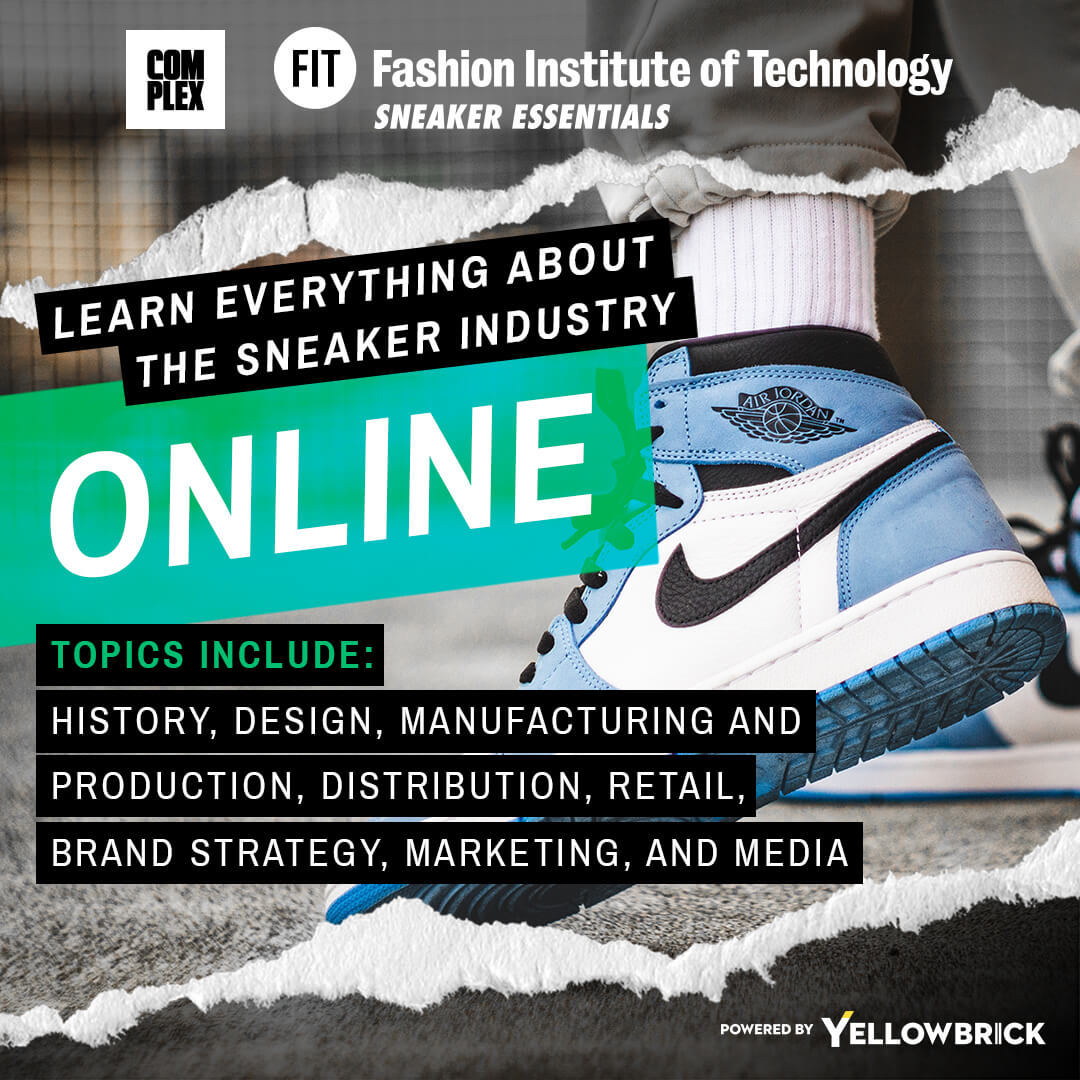
For those looking to deepen their knowledge and skills in the sneaker industry, considering the FIT x Complex Sneaker Essentials online course and certificate program offered by Yellowbrick can provide valuable insights and expertise to take your sneaker reselling venture to the next level.
Explore this opportunity to enhance your understanding of the industry and elevate your entrepreneurial journey in the exciting world of sneaker reselling.