Sneaker production is a complex process that involves various stages, from design and material selection to manufacturing and distribution. As the demand for sneakers continues to rise, brands are constantly innovating to meet consumer preferences while also addressing sustainability concerns. In this article, we will explore the intricate world of sneaker production and delve into the key aspects that contribute to the creation of high-quality footwear.
Key Aspects of Sneaker Production
The following are some critical steps in the process of sneaker production:
1. Design Concept
The journey of a sneaker begins with a design concept. Designers draw inspiration from various sources, such as fashion trends, sports performance requirements, and consumer preferences, to create unique and appealing sneaker designs that resonate with the target audience.
2. Material Selection
Choosing the right materials is crucial in sneaker production. From premium leather and suede to innovative synthetic fabrics and sustainable alternatives like recycled polyester and plant-based materials, the selection of materials directly impacts the quality, comfort, and sustainability of the final product.
3. Prototyping and Testing
Once the design and materials are finalized, prototypes are created to test the functionality, fit, and comfort of the sneakers. Extensive testing, including wear testing, durability testing, and performance evaluations, ensures that the sneakers meet the required standards before entering mass production.
4. Manufacturing Process
The manufacturing process of sneakers involves intricate steps, including cutting, stitching, lasting, sole attachment, and finishing. Advanced technologies like 3D printing, automated stitching machines, and robotic assembly lines have revolutionized the efficiency and precision of sneaker production.
5. Quality Control
Quality control is a critical stage in sneaker production to ensure that each pair meets the brand’s standards for craftsmanship, durability, and aesthetic appeal. Inspections, measurements, and testing protocols are implemented to identify and rectify any defects before the sneakers are released to the market.
6. Supply Chain Management
Managing the supply chain is essential to streamlining the production process, minimizing lead times, and optimizing costs. Collaboration with suppliers, manufacturers, and logistics partners is key to ensuring the timely delivery of materials and finished products to meet consumer demand.
7. Sustainable Practices
With growing concerns about environmental impact, many sneaker brands are integrating sustainable practices into their production processes. Implementing eco-friendly materials, reducing waste generation, and adopting energy-efficient technologies are crucial steps towards achieving sustainability in sneaker production.
8. Collaborations and Limited Edition Releases
Collaborations with designers, artists, celebrities, and other brands have become a popular trend in sneaker production. Limited edition releases and exclusive partnerships create hype and drive consumer engagement, leading to increased demand and brand visibility.
9. Customization and Personalization
Offering customization and personalization options allows consumers to create unique and personalized sneakers that reflect their individual style preferences. Customized sneakers not only enhance the consumer experience but also provide brands with a competitive edge in the market.
10. Trends and Innovation
Staying ahead of trends and embracing innovation is crucial in the dynamic world of sneaker production. From incorporating cutting-edge technologies like augmented reality and smart fabrics to experimenting with bold designs and unconventional materials, brands must continuously innovate to captivate consumers and stay relevant in the competitive market.
Conclusion
By understanding the intricate process of sneaker production and the key factors that influence the quality, sustainability, and market success of sneakers, brands can navigate the evolving landscape of the footwear industry and continue to meet the demands of discerning consumers.
Key Takeaways:
- Sneaker production starts with a strong design concept inspired by trends, performance, and consumer needs.
- Material selection impacts quality, comfort, and sustainability, with the growing use of eco-friendly options.
- Prototyping and testing ensure sneakers meet durability, fit, and performance standards before mass production.
- Advanced manufacturing technologies improve efficiency, precision, and scalability.
- Quality control safeguards craftsmanship, durability, and aesthetic standards.
- Supply chain management ensures timely delivery and cost efficiency.
- Sustainable practices—like eco-materials and waste reduction—are becoming central to production.
- Collaborations and limited editions drive hype and consumer demand.
- Customization and personalization enhance consumer experience and brand competitiveness.
- Innovation and trend adoption keep brands relevant in a fast-changing market.
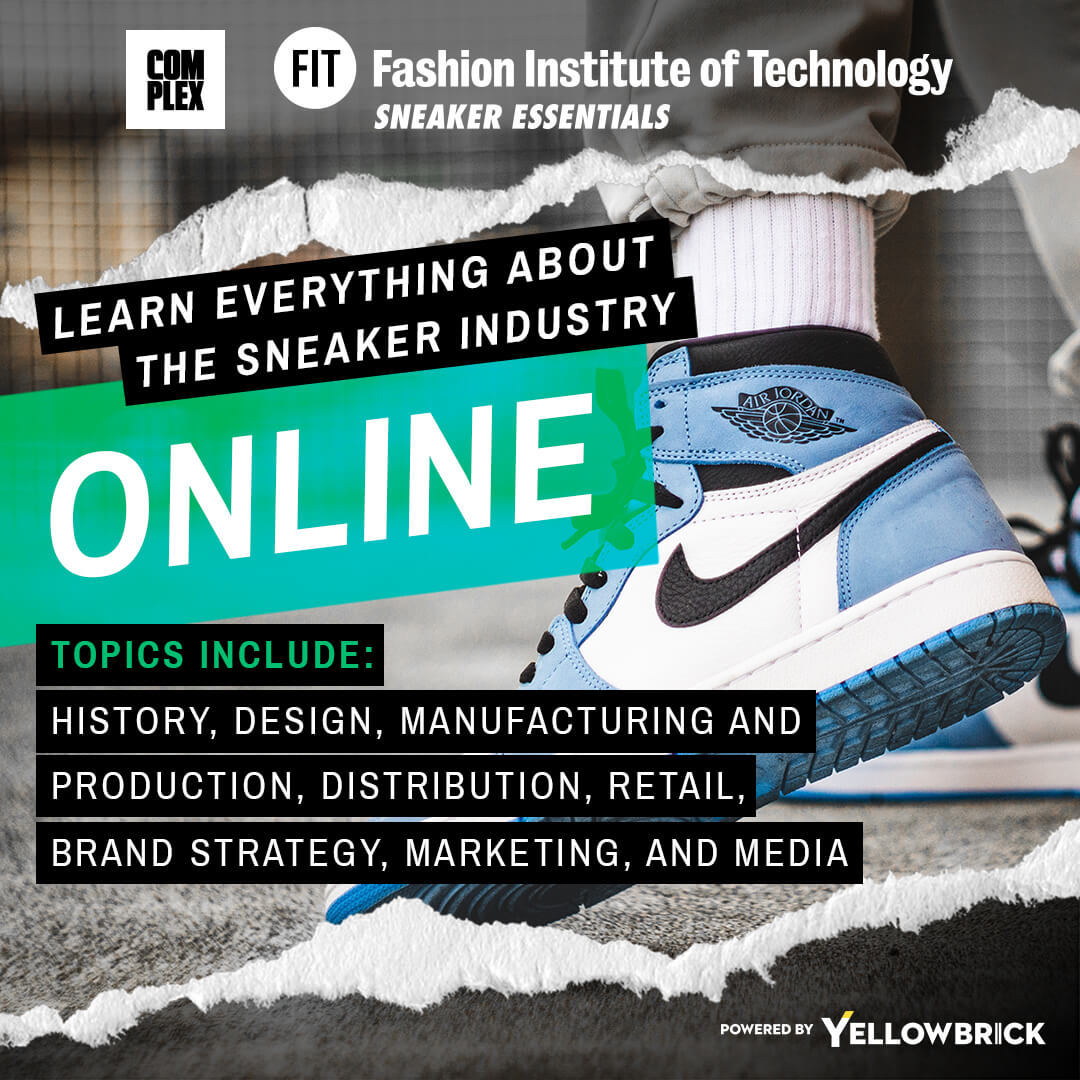
To deepen your knowledge further, consider enrolling in the FIT x Complex Sneaker Essentials online course and certificate program by Yellowbrick. This comprehensive program can equip you with the expertise needed to excel in the competitive realm of sneaker production and stay ahead in this evolving industry.