Wearable technology has revolutionized the way we interact with our devices and the world around us. As the demand for wearable products continues to rise, the field of wearable product design has become increasingly important. Let’s explore the key aspects of wearable product design and how it influences the design process and user experience.
1. Understanding Wearable Product Design
Wearable product design focuses on creating innovative devices that can be worn on the body, seamlessly integrating technology into everyday life. From smartwatches and fitness trackers to augmented reality glasses and smart clothing, wearable products aim to enhance user experiences and provide valuable functionalities.
2. User-Centered Design Approach
User experience plays a crucial role in wearable product design. Designers must prioritize user needs, preferences, and comfort to create products that are both functional and aesthetically pleasing. A user-centered design approach ensures that wearable devices are intuitive to use and enhance the overall user experience.
3. Integration of Technology and Fashion
Wearable product design often involves a fusion of technology and fashion. Designers need to strike a balance between technological innovation and aesthetic appeal, creating products that not only perform well but also look stylish and appealing to users. The integration of technology and fashion is essential in the success of wearable products in the market.
4. Sustainability and Eco-Friendly Design
In an increasingly environmentally conscious world, sustainability has become a key consideration in wearable product design. Designers are exploring eco-friendly materials, energy-efficient technologies, and recyclable components to create sustainable wearable products that reduce environmental impact and promote sustainability.
5. Challenges in Wearable Product Design
Designing wearable products comes with its own set of challenges. From miniaturizing components to ensuring comfort and fit, designers face technical, ergonomic, and aesthetic challenges in creating successful wearable devices. Overcoming these challenges requires a deep understanding of user needs, technological constraints, and design principles.
6. Innovation and Emerging Trends
The field of wearable product design is constantly evolving, driven by innovation and emerging trends. Designers are exploring new form factors, sensor technologies, connectivity options, and health monitoring capabilities to push the boundaries of wearable technology. Keeping up with the latest trends and innovations is essential for staying competitive in the wearable product market.
7. Collaboration and Interdisciplinary Skills
Successful wearable product design often requires collaboration across disciplines. Designers work closely with engineers, fashion designers, material scientists, and user experience experts to create holistic wearable solutions. Interdisciplinary skills, effective communication, and teamwork are essential for bringing wearable products from concept to reality.
8. User Feedback and Iterative Design Process
User feedback plays a crucial role in the iterative design process of wearable products. Designers gather insights from user testing, feedback sessions, and real-world usage to refine and improve the design of wearable devices. Iterative design allows designers to address usability issues, enhance features, and tailor products to meet user expectations.
9. Regulatory Compliance and Safety Standards
Designing wearable products also involves ensuring regulatory compliance and adherence to safety standards. Designers must navigate regulations related to privacy, data security, product safety, and health monitoring to ensure that wearable devices meet industry standards and legal requirements. Compliance with regulations is essential for the successful launch and adoption of wearable products.
10. Career Opportunities in Wearable Product Design
The growing demand for wearable products has created a range of career opportunities in wearable product design. Designers, engineers, UX/UI specialists, product managers, and researchers play key roles in shaping the future of wearable technology. Whether in established tech companies, startups, research institutions, or design studios, professionals in wearable product design contribute to creating innovative and impactful products that enhance people’s lives.
Conclusion
Exploring the dynamic field of wearable product design provides valuable insights into the intersection of technology, design, and user experience. Understanding the key principles, challenges, and trends in wearable product design is essential for designers and professionals looking to make a mark in this exciting and rapidly evolving industry.
Key Takeaways:
- User-centered design is crucial for comfort, usability, and adoption of wearable tech.
- Blending technology with fashion determines a wearable product’s success.
- Sustainability is increasingly important, driving the use of eco-friendly materials and designs.
- Cross-disciplinary collaboration is key to developing functional and appealing products.
- Innovation and iteration based on user feedback keep wearable designs relevant and effective.
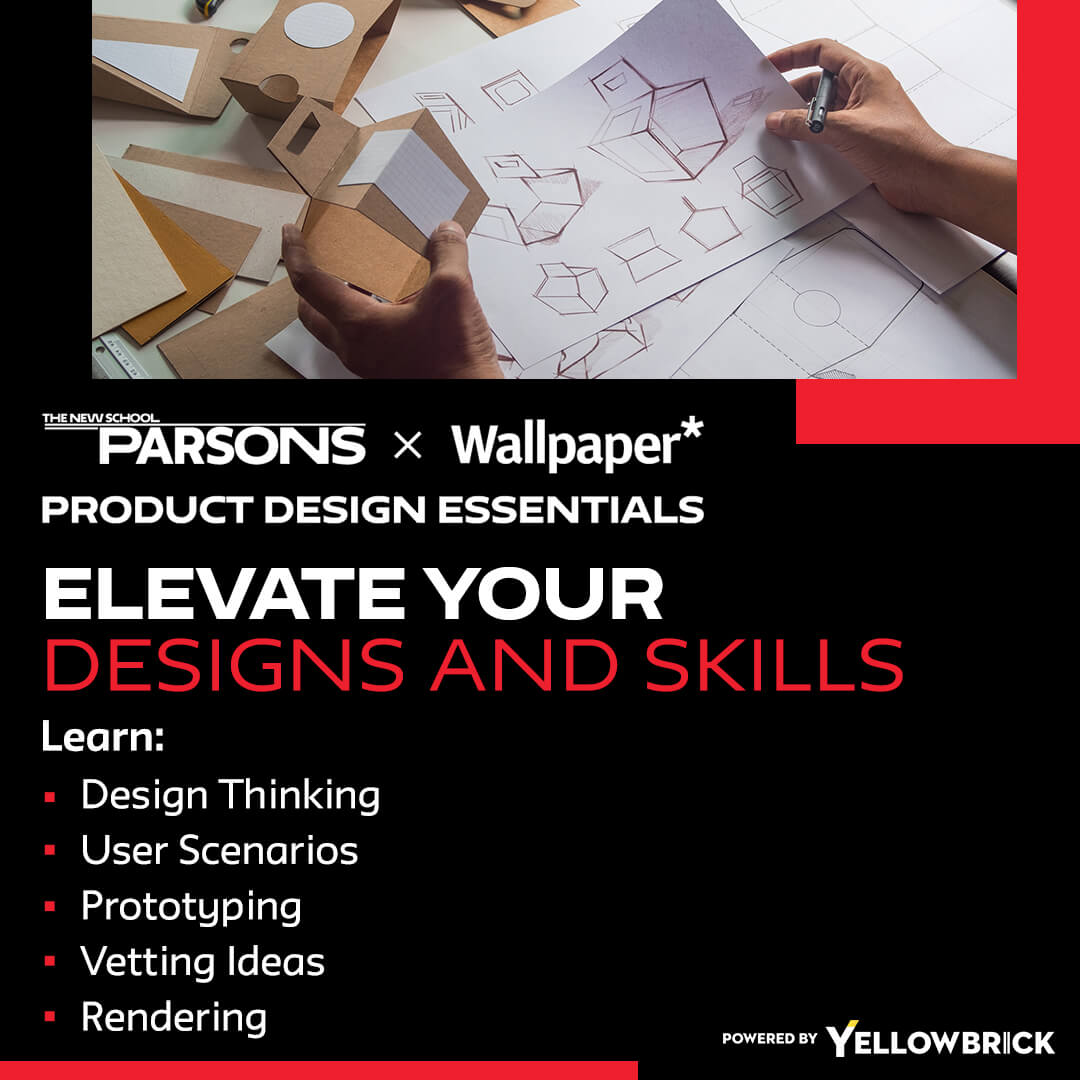
To deepen your knowledge and skills in wearable product design, consider enrolling in the Parsons Product Design Essentials online course and certificate program. This comprehensive program can provide you with the essential tools and expertise to excel in the world of wearable product design.