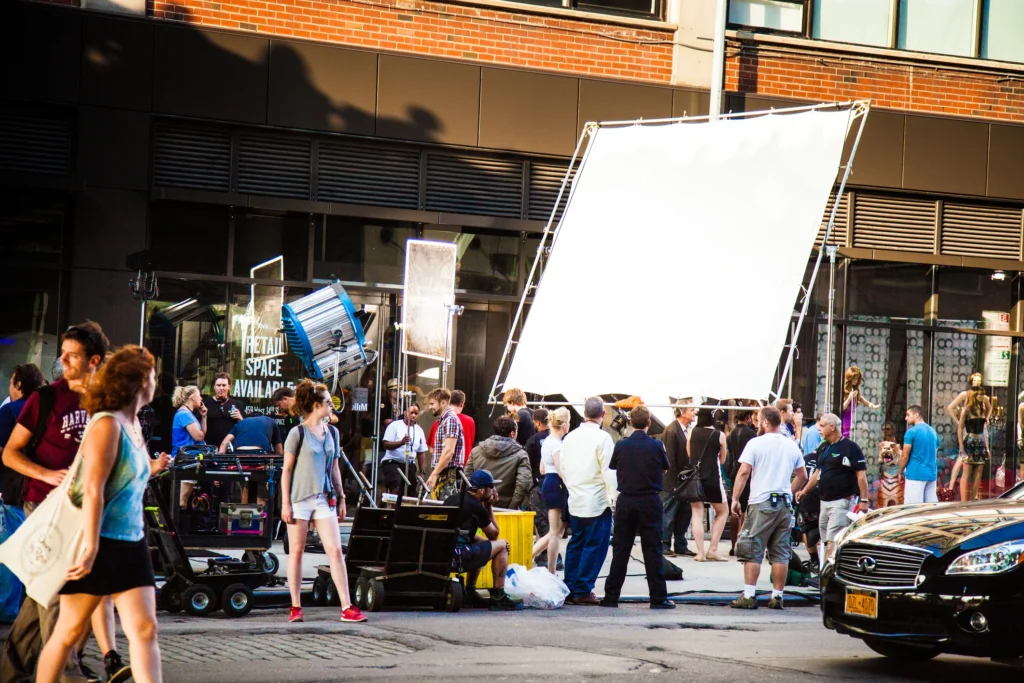
In the fast-paced and creative world of film production, a myriad of opportunities awaits those passionate about bringing stories to life on the screen. Production jobs in film encompass a diverse range of roles that are essential for the successful execution of a movie or television show. From behind-the-scenes coordination to on-set responsibilities, each job plays a crucial part in the filmmaking process. Let’s delve into the top 10 production jobs in film that offer exciting career paths for aspiring professionals.
1. Production Assistant (PA)
Production Assistants, commonly known as PAs, are the backbone of film sets. They assist in various tasks, including organizing equipment, coordinating schedules, managing paperwork, and ensuring the smooth running of production activities. PAs often act as a bridge between different departments and play a vital role in maintaining efficiency on set.
2. Film Producer
Film Producers oversee the entire filmmaking process, from development to distribution. They are responsible for budgeting, hiring key personnel, securing funding, managing logistics, and ensuring the project stays on track. Producers are integral in bringing together the creative and business aspects of a film.
3. Cinematographer (Director of Photography)
Cinematographers are the visual architects of a film. They work closely with the director to capture the desired look and feel of each scene through camera work, lighting, framing, and shot composition. A skilled cinematographer can transform a script into a visually captivating masterpiece.
4. Production Designer
Production Designers are responsible for the overall visual aesthetic of a film. They collaborate with the director and other key creatives to conceptualize and execute the production design, including sets, props, costumes, and overall visual style. A talented Production Designer can transport audiences to different worlds through their design choices.
5. Film Director
Film Directors are the creative visionaries behind a project. They oversee all creative aspects of filmmaking, including interpreting the script, guiding performances, making artistic decisions, and ensuring the overall cohesion of the film. Directors play a pivotal role in shaping the narrative and bringing the story to life on screen.
6. Script Supervisor
Script Supervisors are meticulous professionals who ensure continuity and accuracy throughout the filming process. They keep detailed notes on each scene, track dialogue, props, and actors’ movements, and collaborate closely with the director and editor to maintain consistency. A sharp-eyed Script Supervisor is essential for a seamless final product.
7. Costume Designer
Costume Designers are responsible for creating the wardrobe and overall look of characters in a film. They work closely with the director and production team to develop costumes that align with the characters’ personalities, time periods, and narrative themes. A skilled Costume Designer can enhance storytelling through clothing choices.
8. Location Manager
Location Managers scout and secure filming locations that align with the creative vision of the project. They handle permits, logistics, negotiations with property owners, and ensure a smooth filming process on location. A talented Location Manager can find the perfect backdrop to enhance the story being told.
9. Sound Designer
Sound Designers are masters of audio in film production. They create and manipulate sound elements to enhance the mood, atmosphere, and storytelling of a film. From ambient noise to special effects, a skilled Sound Designer can immerse audiences in the world of the film through sound.
10. Editor
Editors play a crucial role in shaping the final narrative of a film. They assemble footage, trim scenes, add special effects, and fine-tune the pacing to create a cohesive story. Editors work closely with the director to bring their vision to fruition and deliver a polished final product to audiences.
Conclusion
Exploring these top production jobs in film offers a glimpse into the diverse and collaborative nature of the industry. Each role contributes uniquely to the creation of compelling narratives, visually stunning scenes, and immersive storytelling experiences.
Key Takeaways:
- Film production is a collaborative industry made up of many specialized roles that together bring a story from concept to screen.
- Every position—whether creative, technical, or organizational—contributes to the final quality and efficiency of a film.
- On-set and behind-the-scenes jobs work hand-in-hand, showing how vital coordination and communication are in filmmaking.
- Visual elements, from cinematography to production design and costumes, shape the audience’s experience and emotional response.
- Sound, editing, and continuity roles ensure the film feels polished, immersive, and cohesive.
- Producers and directors anchor the process by balancing vision, logistics, and storytelling.
- Exploring these roles shows that the film industry offers diverse career paths for people with different strengths and interests.
To further enhance your understanding of the film industry and pave the way for a successful career, consider enrolling in the NYU Film and TV Industry Essentials online course and certificate program. This comprehensive program can equip you with the necessary skills and insights to thrive in the dynamic world of film production.