Mastering Must-Have Television Interview Techniques
In today’s media-driven world, television interviews are an essential part of any public figure’s life. Whether you are a politician, a celebrity, or a business leader, you need to be able to communicate your message effectively in front of a camera. However, appearing on television can be nerve-wracking, and even the most seasoned professionals can struggle with the medium. That’s why it’s crucial to master television interview techniques to ensure that you come across as confident, competent, and articulate.
Preparation
The first step in mastering television interview techniques is preparation. Before you even step in front of the camera, you need to do your homework and make sure you’re ready to deliver your message effectively. Here are some tips to help you prepare:
- Know your message: The most important thing you need to do before a television interview is to know what you want to say. You should have a clear message in mind and be able to articulate it succinctly and confidently.
- Research your audience: It’s essential to know who your audience is and what they care about before you appear on television. This will help you tailor your message to their interests and concerns.
- Practice, practice, practice: The more you practice your message, the more comfortable and confident you’ll be when it’s time to deliver it on television. Practice in front of a mirror, record yourself on video, or work with a media coach to hone your delivery.
Delivery
Once you’ve done your preparation, it’s time to focus on your delivery. Here are some television interview techniques to help you deliver your message effectively:
- Make eye contact: Eye contact is crucial in television interviews. It helps you connect with your audience and shows that you’re confident and engaged. Look directly at the interviewer and imagine that you’re having a conversation with them.
- Use body language: Your body language can convey just as much information as your words. Use open and confident body language to show that you’re comfortable and in control.
- Speak clearly and slowly: When you’re nervous, it’s easy to rush your words or mumble. However, speaking clearly and slowly will help you come across as confident and articulate.
- Be concise: Television interviews are usually short, so it’s essential to be concise and to the point. Stick to your key message and avoid rambling or going off-topic.
- Use soundbites: Soundbites are short, memorable phrases that encapsulate your message. Use them to reinforce your key points and make your message more memorable.
Conclusion
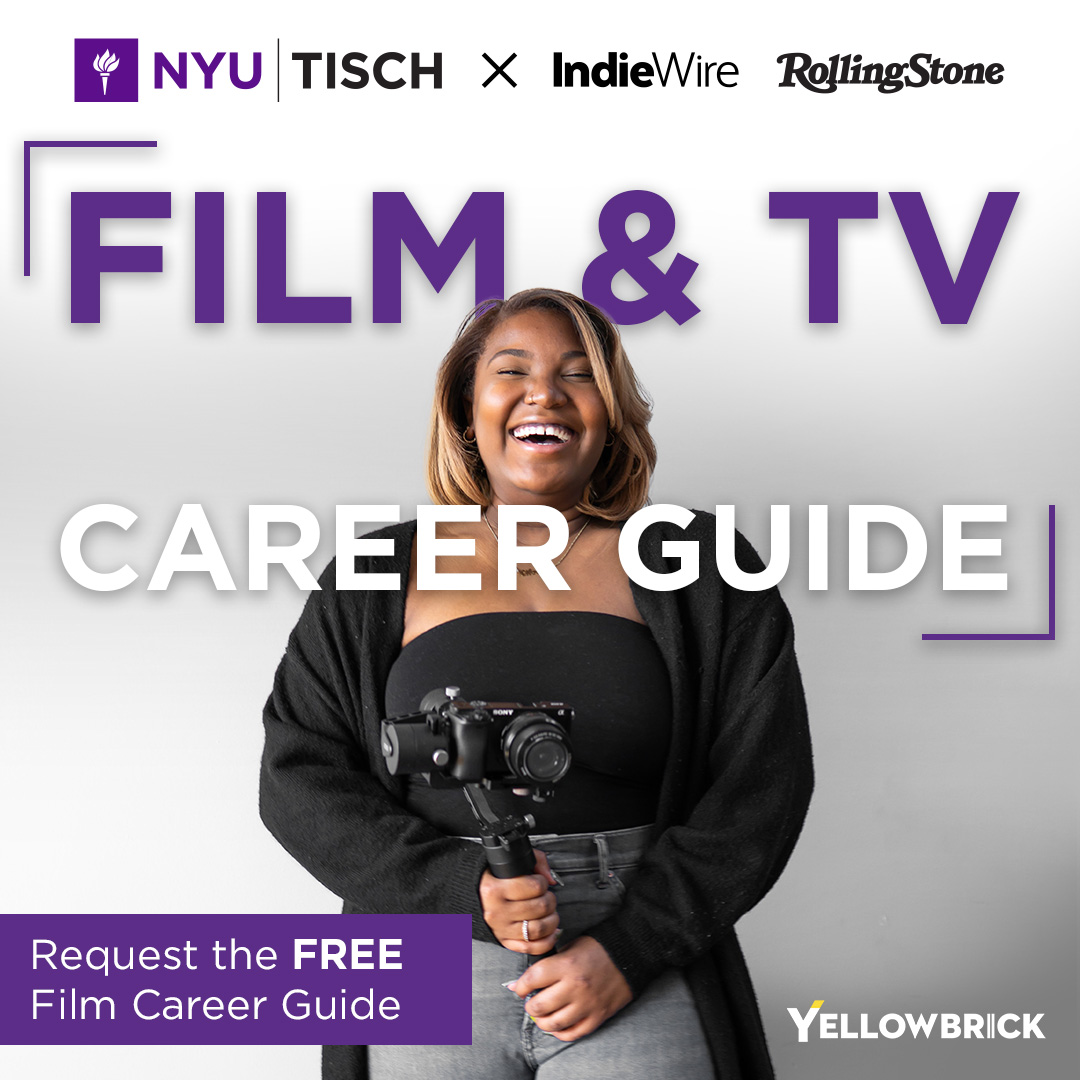
Mastering television interview techniques is essential for anyone who wants to make a lasting impression on their audience. By doing your preparation, focusing on your delivery, and using soundbites, you can ensure that you come across as confident, articulate, and engaging. If you’re serious about pursuing a career in the film and television industry, you may want to consider taking the NYU Film and TV Industry Essentials online course and certificate program. This program is designed to give you a comprehensive understanding of the industry and the skills you need to succeed.