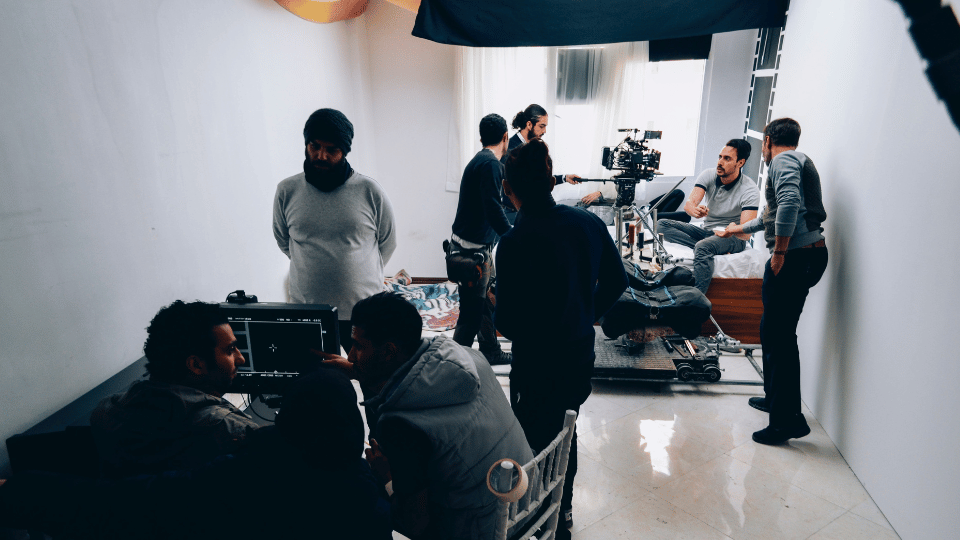
Are you a film enthusiast looking to break into the exciting world of filmmaking? Securing an entry-level film job can be your ticket to gaining valuable experience, building connections, and embarking on a rewarding career path in the film industry. Whether you aspire to be behind the camera, working with actors, or managing the production process, there are various entry-level roles available that can set you on the right track.
1. Production Assistant (PA)
One of the most common entry-level positions in the film industry is that of a Production Assistant. PAs play a crucial role in supporting the production team by performing various tasks such as running errands, setting up equipment, assisting with paperwork, and ensuring the smooth operation of the set. This role provides hands-on experience and insight into the day-to-day workings of a film production.
2. Camera Assistant
As a Camera Assistant, you will work closely with the Director of Photography (DP) to set up and maintain camera equipment, assist with camera movements during filming, and ensure that shots are executed smoothly. This role is ideal for individuals interested in cinematography and gaining practical experience in camera operations.
3. Script Reader
Script Readers are responsible for evaluating scripts submitted for consideration by production companies, agencies, or studios. They provide feedback on the quality of the script, its marketability, and its potential for production. This role offers aspiring filmmakers the opportunity to hone their storytelling skills and understand what makes a script compelling.
4. Set Dresser
Set Dressers are tasked with decorating and arranging sets to bring the director’s vision to life. They select and place props, furniture, and other set pieces to create the desired atmosphere and ambiance for each scene. This role requires a keen eye for detail and creativity in transforming spaces into believable on-screen environments.
5. Production Coordinator
Production Coordinators assist in the logistical aspects of film production, including organizing schedules, coordinating vendors, managing budgets, and liaising with various departments to ensure smooth operations. This role provides valuable experience in production management and the coordination of multiple moving parts in a film project.
6. Casting Assistant
Casting Assistants support casting directors in finding and selecting actors for roles in film and television productions. They help organize auditions, communicate with talent agents, and maintain casting databases. This role offers insights into the casting process and the opportunity to work closely with actors and industry professionals.
7. Location Scout
Location Scouts are responsible for finding suitable filming locations that match the requirements of the script. They scout various sites, obtain permits, negotiate contracts, and coordinate logistics for on-location filming. This role allows individuals to explore different environments and contribute to the visual storytelling of a film.
8. Assistant Editor
Assistant Editors work alongside editors to organize and prepare raw footage for the editing process. They label, categorize, and sync audio and video files, assist in creating rough cuts, and manage media assets. This role is ideal for individuals interested in post-production and gaining hands-on experience in editing workflows.
9. Grip
Grips are essential members of the camera and lighting departments, responsible for setting up and operating equipment such as dollies, cranes, and rigging systems. They work closely with the camera crew to achieve smooth camera movements and ensure the safety of equipment on set. This role requires physical stamina and technical skills in handling film equipment.
10. Sound Assistant
Sound Assistants support the sound department in capturing high-quality audio for film productions. They assist in setting up microphones, recording equipment, and monitoring sound levels during filming. This role offers practical experience in sound recording techniques and the importance of quality audio in filmmaking.
Conclusion
These entry-level film jobs provide a solid foundation for aspiring filmmakers and industry professionals to kickstart their careers. Whether you choose to specialize in a specific role or explore various aspects of film production, gaining hands-on experience in entry-level positions is a valuable stepping stone towards achieving your goals in the film industry.
Key Takeaways:
- Entry-level film roles are designed to build real-world skills while exposing newcomers to how professional productions operate.
- Hands-on set experience is often more valuable than theory alone for understanding filmmaking workflows.
- Early roles help individuals discover which department or specialization best fits their interests and strengths.
- Working closely with experienced professionals accelerates learning and skill development.
- Entry-level positions provide opportunities to build a strong professional network within the industry.
- Exposure to multiple departments improves collaboration skills and overall industry awareness.
- Consistency, reliability, and a strong work ethic are critical traits for advancement from entry-level roles.
- These positions serve as stepping stones toward more specialized and higher-level film careers.
As you embark on your journey in the film world, consider further honing your skills and knowledge by enrolling in the NYU Film and TV Industry Essentials online course and certificate program offered by Yellowbrick. This comprehensive program can provide you with the tools and expertise needed to thrive in the dynamic and fast-paced world of film production.